Introduction
Presbyopia can sneak up on anyone. You may notice menus feel a little blurrier, reading glasses come out more often, or you’re stretching your arms farther just to see your phone. It’s a completely natural change that usually begins in your late thirties or forties, and it happens because the eye’s lens becomes less flexible with age. The good news is that multifocal and bifocal contact lenses are designed to help you see comfortably at any distance without relying on readers all day.
This guide explains how these lenses work, how they differ, and how to know which option fits your lifestyle. Along the way, we’ll touch on eye health, comfort, and what to expect when switching to a new type of vision correction.
Understanding Presbyopia
Presbyopia is an age-related shift in vision that affects your ability to see close objects clearly. The lens inside the eye thickens and loses elasticity over time. When the lens can’t flex as easily, everyday tasks like reading text messages or threading a needle begin to feel more strained.
Many people assume this change means something is wrong with their eyes, but presbyopia is simply part of the natural aging process. It doesn’t reflect eye disease, and it doesn’t mean your overall vision is worsening. It just means your eyes need a bit more support for near work, and contact lenses can provide a seamless solution.
How Bifocal Contact Lenses Work
Bifocal contact lenses use a dual-power design. One portion of the lens corrects distance vision and another corrects near vision. Depending on the design, these powers may appear as distinct zones or as vertical segments similar to bifocal glasses.
Some bifocal lenses feature a translated or segmented design, where the lower part of the lens provides the near power. When you look down to read, your eyes naturally align with that section. Other designs use concentric rings that alternate near and distance corrections. The brain learns to choose the correct focal point depending on where you’re looking.
Bifocal contacts tend to offer clear distinction between near and far, which can work well for people who want a straightforward correction without a blended visual experience.
How Multifocal Contact Lenses Work
Multifocal lenses offer a more fluid transition between distances. Instead of two distinct zones, they incorporate several prescription powers into a single lens. This lets your eyes shift naturally between reading, computer work, and distance tasks.
Many multifocal lenses use an aspheric design that gradually changes power from the center outward. Others use concentric rings that blend powers more subtly than bifocals do. There are also advanced designs that mimic the way the eye naturally shifts focus.
The result is a smooth experience that often feels more intuitive for daily life, especially if you alternate frequently between near, intermediate, and distance tasks.
Multifocal vs Bifocal Lenses
Both lens types correct presbyopia, yet they work slightly differently and suit different needs. Bifocal lenses offer a clear distinction between near and far. Multifocal lenses provide a more blended transition.
If you read small text for long stretches, bifocals may feel more precise. If your days involve switching between screens, paperwork, and outdoor tasks, multifocals often feel more natural.
Comfort also plays a role. Multifocal designs tend to support lifestyle habits like scrolling, driving, and computer use with fewer sharp jumps between distance changes.
Choosing the Right Lens Type
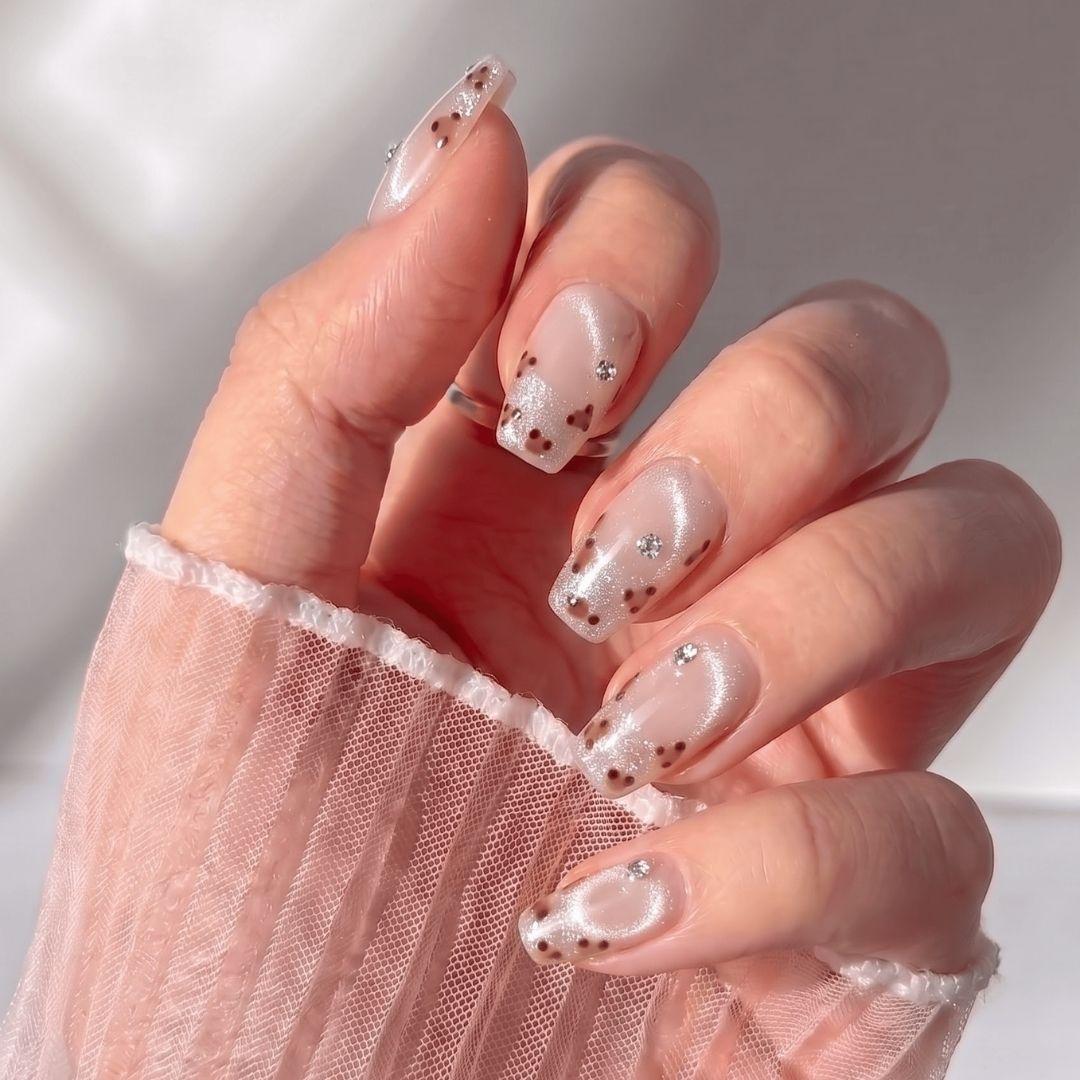
Sometimes the best way to break a habit is to change the feeling of the nails entirely. A smooth, polished surface instantly removes the sensory cues that often trigger biting. This is where EyeCandys gel nail stickers can be incredibly supportive.
They create a thin, flexible barrier over your natural nails that not only protects them from damage but also gives you a finished look that makes you less inclined to bite. The moment your nails feel polished and intentional, your brain begins to associate them with care rather than a place to take out stress or restlessness. And with so many designs to choose from, wearing them can become something you look forward to, building pride in your nail health throughout the process.
Lens Materials and Comfort
Today’s multifocal and bifocal contact lenses come in soft and rigid gas permeable options. Soft lenses tend to feel comfortable right away, while rigid lenses may offer crisp vision once you’ve adapted. Regardless of material, look for lenses with high oxygen transmission and moisture retention.
Comfort is essential, especially for presbyopic wearers who may also experience dryness. Many modern lenses use hydrating materials that keep eyes feeling fresh throughout the day.
Tips for Adapting to These Lenses
It’s normal to need a short adjustment period. Wearing your lenses consistently for the first week helps your brain adapt to the new viewing zones. Starting with shorter wear times and increasing gradually can also make the transition more comfortable.
For multifocals, practice switching between tasks like reading and looking across a room. For bifocals, learn how your eye naturally aligns with each zone. Within a few days, most wearers notice everyday activities feeling clearer and more intuitive.
Common Concerns and Solutions
Some people notice halos around lights, slight blur, or mild low-light sensitivity when they begin wearing multifocal or bifocal contacts. These effects often improve as your eyes and brain adapt. If discomfort persists, your eye care provider can adjust power, fit, or lens type.
Dryness is another concern. Using high-quality lenses and following proper hydration habits helps keep eyes comfortable. If dryness continues, switching to materials designed for sensitive eyes or exploring daily disposables can make a big difference.
Eye Health and Safety
Healthy lens habits are still essential. Replace lenses as recommended, follow proper hygiene, and schedule routine eye exams. An eye care provider can ensure your prescription and fit remain accurate as your vision evolves. People with dry eye symptoms, allergies, or sensitive corneas may need specific materials or replacement schedules.
Choosing FDA-approved lenses from a trusted retailer like EyeCandys adds confidence that each pair meets safety and quality standards.
Recommended Lenses to Explore
Depending on your preferences, you can look for lenses that support long digital days, sensitive eyes, or maximum moisture. EyeCandys offers a variety of multifocal and bifocal options that balance clarity and comfort for presbyopic wearers. Whether you prefer daily disposables for ease or monthly lenses for value, exploring a few designs helps you find your ideal fit.
Conclusion
Multifocal and bifocal contact lenses offer flexible, modern solutions for presbyopia. They help you see clearly at every distance and let you move through your day without switching between glasses or readers. With today’s comfortable materials and advanced designs, there’s a lens for nearly every lifestyle.
If you’re ready to explore your options, EyeCandys offers a range of lenses designed for clarity, comfort, and everyday ease. You can browse our selection or speak with your eye care provider to find the best match for your vision needs.