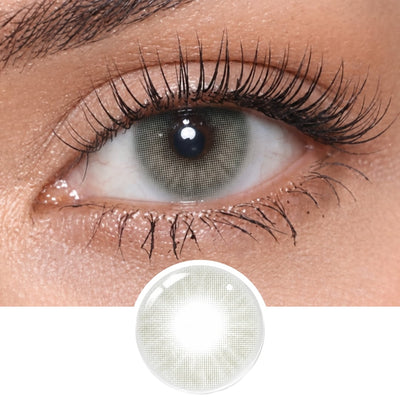
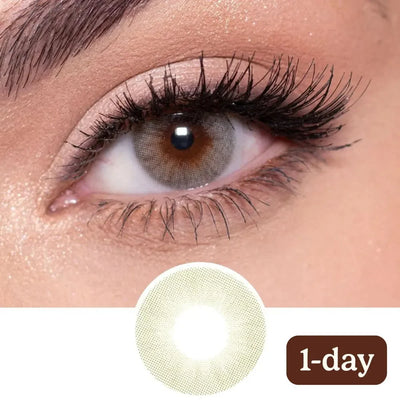


As the allure of colored contacts continues to captivate individuals seeking to enhance their eye appearance, concerns about their potential risks persist. Among the most prevalent questions is whether colored contacts can indeed pose a threat to eye health. Let's unravel the truth behind this query and explore the real impact of colored contacts on your eyes.
Exploring the Safety of Colored Contacts
Colored contacts, crafted to modify eye color or add unique patterns, have gained popularity for their aesthetic appeal. However, understanding their safety is crucial. When sourced from reputable providers and used correctly, colored contacts are generally safe for wear. Technological advancements have led to the development of materials prioritizing comfort and breathability, minimizing potential discomfort or harm to the eyes.
Dispelling Common Misconceptions
Despite their safety when used responsibly, several misconceptions persist regarding colored contacts
- Sharing lenses: Sharing colored contacts heightens the risk of eye infections and bacterial transmission.
- Neglecting hygiene: Failure to clean and disinfect contacts regularly may lead to eye irritation and infections.
- Purchasing from unregulated sources: Acquiring colored contacts from unauthorized vendors increases the likelihood of receiving substandard or counterfeit products, posing potential safety hazards.
Guidelines for Safe Usage
To ensure the safe use of colored contacts, adhere to the following guidelines:
- Seek professional guidance: Consult an eye care specialist, ensuring suitability and compatibility with your eyes.
- Prioritize hygiene: Adhere to a rigorous cleaning regimen, utilizing recommended solutions to prevent bacterial accumulation and safeguard eye health.
- Avoid lens sharing: Resist the temptation to share colored contacts, reducing the risk of eye-related complications.
- Opt for reputable sources: Procure colored contacts from licensed optometrists or trusted retailers like EyeCandys to guarantee product quality and safety.
Conclusion
In conclusion, colored contacts possess the potential to enhance eye aesthetics without posing inherent dangers to eye health. By exercising prudence, such as maintaining proper hygiene and sourcing from reputable providers, individuals can confidently embrace the beauty of colored contacts. Let's dispel the myths surrounding their safety and revel in the transformative allure they offer, safeguarding both style and eye wellness.