

Dip powder nails are popular for a reason. They’re glossy, durable, and can last longer than a regular polish manicure without chipping. If you love the look of a fresh manicure but do not want to redo your nails every few days, dip powder can feel like the perfect solution.
But if you have ever removed dip powder and noticed your natural nails felt thin, rough, brittle, or sensitive afterward, you are not imagining it. Dip powder is not automatically “bad” for everyone, but the process can be hard on your nails, especially when it involves aggressive filing, repeated applications, harsh removal, or peeling the product off at home.
The bigger issue is not always the powder itself. It is often the prep, application, removal, hygiene practices, and how often you wear it without giving your nails a break.
Here is what to know before your next dip manicure.
What Are Dip Powder Nails?
Dip powder nails are a type of long-wear manicure that uses a bonding liquid and colored acrylic powder to build color and strength on the nail. The nail is usually prepped, coated with adhesive or base liquid, dipped into powder or covered with powder, then sealed with additional products for a glossy finish.
The result is a manicure that can feel stronger and thicker than regular polish. That durability is part of the appeal. Dip powder can be a good option for people who want a long-lasting manicure, but that same strength is also why removal can be more difficult.
When dip powder is applied and removed carefully, some people wear it without major issues. But when the nail is over-filed, the product is applied in an unhygienic way, or the manicure is peeled off instead of soaked off, natural nails can suffer.
So, Is Dip Powder Bad for Your Nails?
Dip powder is not automatically bad for your nails, but it can be damaging if it is applied or removed incorrectly.
The American Academy of Dermatology notes that dip powder manicures can leave people vulnerable to infection if sanitary practices are not followed, and that some people may develop allergic reactions to dip nail products, especially the adhesives used to hold powders in place. (American Academy of Dermatology)
Cleveland Clinic also notes that dip powder manicures may weaken the nail bed because the prep process often involves intense buffing and filing to roughen the nail surface so the product can adhere. Over time, that can contribute to brittle nails. (Cleveland Clinic)
The real answer is: dip powder can be hard on your nails if you get it often, remove it harshly, or apply it over nails that are already weak, peeling, thin, or irritated.
Why Dip Powder Can Weaken Natural Nails
Dip powder needs something to grip. That means the natural nail is usually buffed or filed before application. A little gentle prep is normal for many manicures, but aggressive filing can thin the nail surface.
If your nails are filed too much before every dip appointment, they can start to feel weak, flexible, or sensitive. Over time, repeated filing may leave the nail plate more vulnerable to peeling, splitting, and breakage.
This is one of the biggest reasons people think dip powder “ruined” their nails. Often, the damage comes from the cycle of filing, product buildup, removal, and reapplication.
Signs your nails may be weakened after dip powder include:
- Nails feel thin or bendy
- Nails peel at the tips
- Nails split more easily
- Nail surface feels rough or uneven
- Nails feel tender after removal
- Polish or product does not seem to adhere well anymore
If your nails feel weak after removing dip powder, it may be time to take a break and focus on hydration, gentle filing, and nail recovery before applying another long-wear product.
Removal Is Where a Lot of Damage Happens
Dip powder is made to last, which means it does not come off easily with regular nail polish remover. Safe removal usually requires filing down the top layer and soaking the product until it softens.
The problem is that many people get impatient. Once the manicure starts lifting, it can be tempting to peel it off. But peeling dip powder can pull layers from the natural nail with it, leaving the nail surface rough, thin, and damaged.
Improper removal can be especially damaging if you:
- Peel the dip powder off
- Pry up lifted edges
- Scrape aggressively with metal tools
- Over-file the natural nail
- Use an electric file too aggressively
- Skip soaking time
- Reapply immediately over damaged nails
The American Academy of Dermatology warns against picking or filing nail products off because doing so can significantly damage nails. While the AAD’s removal guidance is specific to gel polish, the same principle applies here: long-wear nail products should be softened and removed gently rather than forced off. (American Academy of Dermatology)
Dip Powder Can Be Drying
Dip powder removal often involves acetone, which is effective but drying. Acetone can leave the nail surface, cuticles, and surrounding skin feeling tight or dehydrated.
Dry nails are more likely to peel, split, and break. Dry cuticles can turn into hangnails or cracked skin. If you remove dip powder and do not follow with hand cream and cuticle oil, your nails may feel even more fragile.
That does not mean acetone should never be used. For many long-wear manicures, acetone is the most effective removal option. The key is to use it properly, avoid over-soaking when possible, and rehydrate afterward.
After dip removal, it is a good idea to:
- Wash hands gently
- Apply cuticle oil
- Use a rich hand cream
- Keep nails short if they feel weak
- Avoid picking at peeling areas
- Wear gloves when cleaning or washing dishes
- Give nails time before another harsh manicure
Hygiene Can Be a Concern With Dip Powder
One of the biggest concerns with dip powder is sanitation.
If multiple clients dip their fingers into the same powder jar, bacteria, fungus, or other germs can be introduced into the container. That can create a hygiene risk, especially if someone has a cut, broken skin, or irritation around the nail.
The American Academy of Dermatology recommends that powder be poured from the original container into a disposable container, with unused powder thrown away, or that powder be sprinkled onto the nails instead of dipping directly into a shared container. (American Academy of Dermatology)
If you get dip powder at a salon, pay attention to how the product is handled. A clean salon should not have every client dipping into the same communal jar.
Safer dip powder hygiene practices include:
- Powder poured into a separate disposable container
- Powder sprinkled onto the nail
- Clean tools for each client
- No dipping into a shared jar
- Avoiding dip powder over cuts or broken skin
- Choosing a salon with visible sanitation practices
If something feels unsanitary, it is okay to speak up or choose a different salon.
Some People May React to Dip Products
Dip powder systems often use bonding liquids, adhesives, sealers, and other chemical products. Some people may react to these ingredients, especially if they already have sensitive skin, eczema, contact dermatitis, or a history of reactions to nail products.
The American Academy of Dermatology notes that some people develop allergic reactions to dip nail products, with adhesives being a common culprit. (American Academy of Dermatology)
Possible signs of a reaction can include:
- Redness
- Itching
- Burning
- Swelling
- Tenderness
- Blisters
- Peeling skin
- Nail lifting
- Rash around the fingers
- Irritation that spreads beyond the nail area
If you notice these symptoms after a dip manicure, remove the product safely and consider speaking with a dermatologist. Do not keep applying more products over irritated skin or nails.
Dip Powder May Not Be Ideal for Already-Damaged Nails
If your nails are already thin, peeling, split, sore, or recovering from acrylics, gel, or previous dip powder, another dip manicure may not be the best choice right away.
Long-wear manicures can make nails look stronger while the product is on, but they do not necessarily mean your natural nails are healthier underneath. If your nails are weak, adding another hard layer may hide the problem temporarily while making removal harder later.
You may want to pause dip powder if your nails:
- Feel sore
- Bend easily
- Peel in layers
- Split at the tips
- Have deep ridges or roughness after removal
- Are lifting from the nail bed
- Have redness, swelling, or signs of infection
- React to nail products
A break does not have to mean bare nails forever. It just means giving your natural nails time to recover before returning to intense or long-wear products.
Is Dip Powder Worse Than Gel or Acrylic?
Dip powder, gel, and acrylic can all cause nail damage when applied or removed incorrectly. The “worst” option depends on the person, the salon, the product quality, and the removal process.
Dip powder is often popular because it can last a long time and does not require a UV lamp in the same way gel polish does. But it can still require heavy filing, strong adhesives, and acetone removal. Cleveland Clinic notes that dip powder can include ingredients like methyl methacrylate, ethyl methacrylate, and toluene, and may weaken the nail bed through the prep process. (Cleveland Clinic)
Gel can involve UV or LED curing and may cause irritation or damage if removed improperly. Acrylics can be thicker and may require more intensive filing and removal. In all cases, the biggest risks usually come from repeated exposure, aggressive prep, allergies, and improper removal.
The safest manicure is the one that works for your nails, is applied hygienically, and is removed gently.
How to Make Dip Powder Less Damaging
If you love dip powder and do not want to give it up completely, there are ways to make the process gentler.
Start by choosing a reputable salon that follows good hygiene practices. Make sure powder is not shared through repeated finger dipping, and pay attention to how tools are cleaned.
Ask your nail tech to avoid over-filing your natural nails. The nail surface may need light prep, but it should not feel painful or hot.
Avoid peeling or picking once the manicure starts to lift. If the product is lifting, book proper removal or remove it carefully at home.
Take breaks when your nails feel weak. If your nails are peeling, sore, or thin, do not cover the problem with another dip set immediately.
Hydrate your nails and cuticles regularly. Cuticle oil and hand cream can help reduce dryness and keep the surrounding skin more comfortable.
A Gentler Alternative: Press-On Nails
If dip powder leaves your nails feeling weak, or if you want a manicure that is easier to apply and remove at home, press-on nails can be a great alternative.
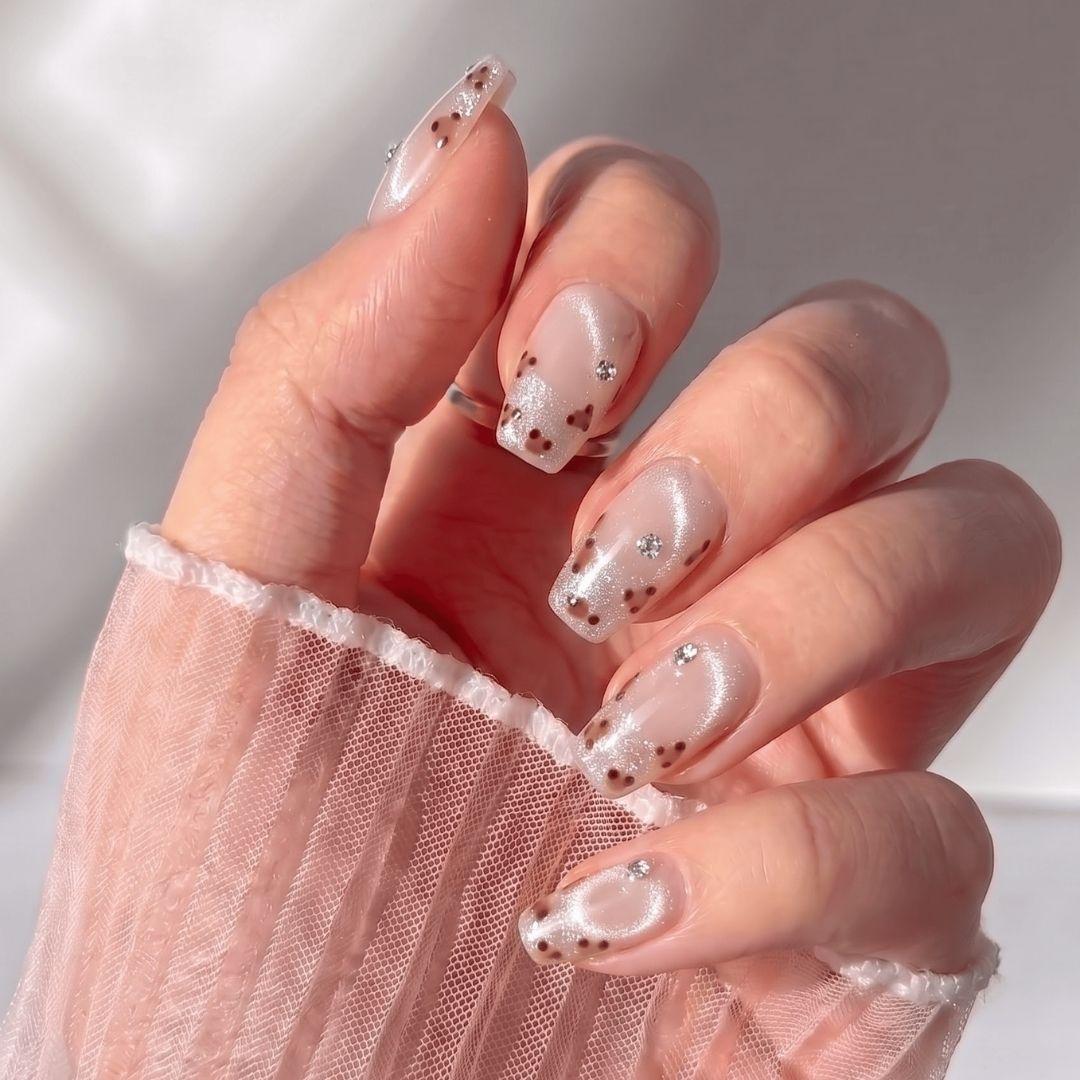
Press-on nails give you a polished look without the same salon prep, repeated filing, or acetone-heavy removal process that often comes with dip powder. They are especially helpful if you want nails for specific moments like weekends, weddings, vacations, parties, cosplay, photoshoots, or last-minute plans.
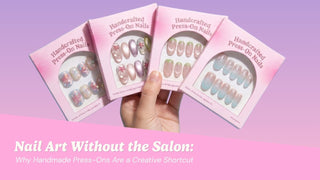
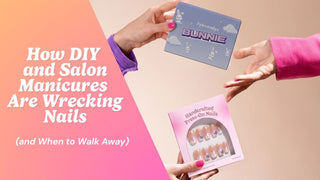
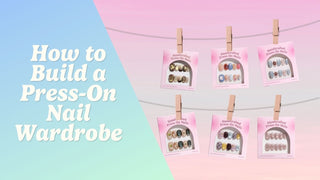
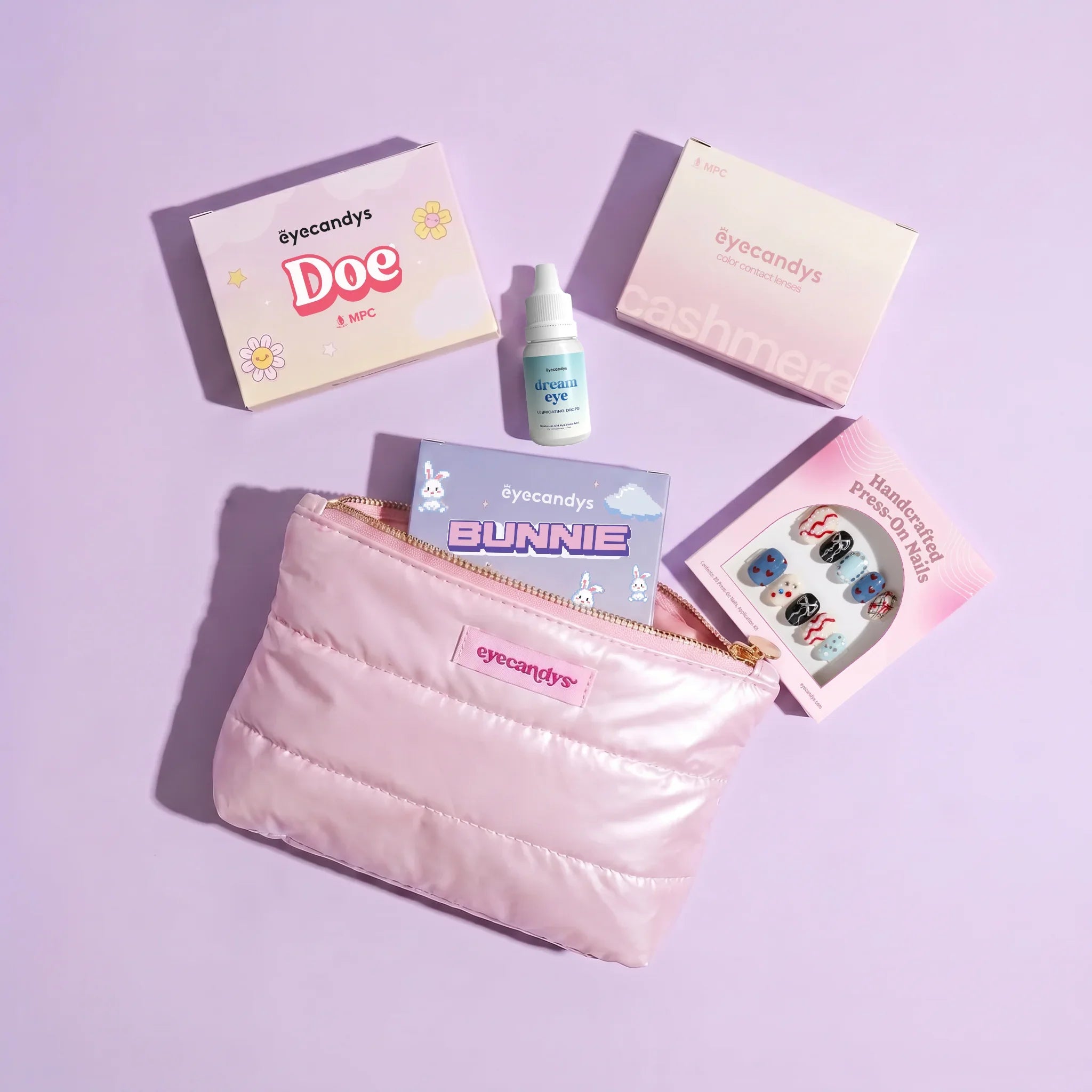
EyeCandys handmade press-on nails are designed for flexible wear. They can be applied at home, removed gently, and reused when cared for properly. They are also a good option if you like switching up your style instead of committing to one manicure for several weeks.
Press-ons may be a better fit if you want:
- A manicure without salon filing
- A quick beauty option
- A lower-commitment nail look
- Nails for events or weekends
- Easier removal
- Reusable styles
- A way to change colors more often
- A break from dip, gel, or acrylics
That said, press-ons still need to be applied and removed correctly. Never rip them off. Gentle removal matters no matter what type of manicure you choose.
When to Give Your Nails a Break
Your nails may need a break if they are showing signs of damage or irritation. Covering damaged nails with another manicure can make it harder to see what is happening underneath.
Consider taking a break if you notice:
- Pain or tenderness
- Nail thinning
- Peeling layers
- Splitting
- Redness or swelling
- Nail lifting
- Discoloration
- Itching or burning
- Cracked cuticles
- Nails that feel weaker after every manicure
During a nail break, keep nails short, moisturize daily, apply cuticle oil, and avoid picking. If you notice discoloration, swelling, pain, or signs of infection, it is best to check with a dermatologist or healthcare professional.
Final Takeaway: Dip Powder Is Not Always Bad, But It Can Be Hard on Nails
Dip powder nails are not automatically bad, but they can be tough on your natural nails if they are over-filed, applied unsafely, removed aggressively, or worn continuously without breaks.
The biggest risks come from nail thinning, harsh removal, acetone dryness, hygiene concerns, and possible reactions to dip products. If your nails feel weak or damaged after dip powder, listen to them. A break and a gentler routine can make a big difference.
If you still want a polished manicure without the commitment of dip powder, EyeCandys handmade press-on nails offer an easy alternative. You can get a styled look at home, wear them for the moments that matter, remove them gently, and give your natural nails a little more breathing room between beauty looks.
Salon-Worthy Nails in Minutes
EyeCandys handmade press-on nails snap on, last for days, and come off without damaging your natural nails. The polished manicure your schedule actually fits.