
Introduction
At some point, every cosplayer runs into the same problem: you love a character, but you also love your own style, your own tastes, and the thrill of doing something people haven’t seen a hundred times already. That’s where mashup cosplay comes in. It’s not “random for the sake of random.” It’s a design-forward way to remix fandom into something that feels fresh, personal, and instantly scroll-stopping.
Mashup cosplay is everywhere right now because it solves multiple modern cosplay problems at once. It keeps you from feeling boxed in by canon. It helps you stand out in a sea of popular characters. It gives you an excuse to reuse parts from your closet or an older build. And it creates a built-in conversation hook, because people can’t resist decoding what they’re seeing.
This guide walks through what mashup cosplay is, why it’s rising, the most popular mashup formats, and a practical design method you can use to build a mashup look that reads clearly in photos and feels cohesive in real life.
What is mashup cosplay
Mashup cosplay (often called crossover cosplay or character mashups) is the art of blending two or more recognizable characters, universes, or design languages into one intentional look. Think “Character A, styled through Character B’s palette,” or “Character A wearing the silhouette language of Universe B,” or “two characters fused into one new costume identity.” Cosplay community discussions have used “character mashups” and “crossover cosplays” interchangeably for years, usually describing them as most successful when the blend has a logic to it, whether that logic is visual, thematic, or comedic.
Mashup cosplay is different from closet cosplay and casual cosplay, which typically refers to assembling a look from everyday garments with minimal construction, often emphasizing thrift and accessibility over fabrication. Mashup cosplay can be closet-based too, but the defining feature is the concept blend and the recognizable DNA from multiple sources, not just the use of what you already own.
The reason mashup cosplay works so well visually is simple: it creates a puzzle. Viewers recognize something familiar, then notice a twist, then keep looking. That “double-take” is a powerful engine for engagement, especially in short-form video and photo carousels.
Why mashup cosplay is trending
Mashup cosplay isn’t new, but the current wave feels bigger, louder, and more normalized, partly because it aligns perfectly with how online fandom operates now.
First, social platforms reward novelty and fast readability. A mashup has both. The audience gets an immediate anchor (a familiar character) and a reason to comment (“Wait, is that a crossover?” “I see both references!”). Cosplay scholarship and commentary about platform culture has pointed out how short-form formats encourage meme-like, remix-friendly creativity, which naturally favors playful reinterpretations.
Second, fandom saturation is real. When a character becomes the costume of the season, the timeline fills up quickly. Mashups are a way to participate without feeling like a carbon copy. Instead of opting out, you opt sideways, keeping the fun while reclaiming uniqueness.
Third, mashups are a budget-friendly creativity hack. People have always repurposed and rebuilt costumes, but mashup cosplay makes reuse part of the concept. It can be as simple as restyling a base outfit with a new palette and a few signature accessories, or as complex as a full hybrid build.
Finally, conventions and Halloween culture have long celebrated mashups as a form of clever craft humor and fandom fluency. Roundups of mashup costumes at major events like San Diego Comic-Con show how consistently mashups stand out and get remembered, because the idea itself is a spectacle.
The most popular types of mashup cosplay
Not all mashups are built the same. If you want your mashup to read quickly, it helps to choose a format that naturally supports clarity.
Character plus character blends
This is the classic: two distinct characters fused into one design. The best versions keep one character as the base “read,” then integrate the second character through palette, motifs, and signature accessories.
A common example style is “character re-skins,” where one character is reimagined as another character’s archetype. You’ll see this a lot in recurring mashup series, where creators build multiple crossovers using the same foundational template.
Character plus aesthetic
This is one character, but filtered through an aesthetic universe: gothic glam, cyberpunk, fairycore, steampunk, old Hollywood, poetcore, magical academy, retro arcade. This format is especially friendly for newer cosplayers because you can use everyday fashion pieces and push the concept with styling.
Universe swaps
A character from one franchise, redesigned as if they belong in another world. The key here is translating design rules. A fantasy character “ported” into a sci-fi universe should suddenly obey that universe’s materials, seams, hardware, and silhouettes.
Era swaps
Victorian version, 1980s version, mid-2010s version, futuristic version. Era swaps are powerful because the time period acts like a design constraint, which naturally creates cohesion.
Alignment flips
Hero to villain, villain to hero. This mashup style is concept-heavy, which makes it perfect for storytelling captions. You’re not only changing the look, you’re changing the mood, posture, and “energy” of the character.
What makes a mashup cosplay look cohesive
Mashup cosplay lives or dies on readability. If people can’t tell what they’re looking at, it may still be pretty, but it won’t land as a mashup. Cohesion is what makes the blend feel intentional instead of accidental.
Choose one anchor and one accent
One character should be the anchor: the silhouette, the wig shape, the outfit base, the core identity. The second character is the accent: palette, symbols, signature prop details, makeup motif. This keeps the design from turning into a collage.
Limit your blend points
A strong mashup usually only needs three to five “blend points.” For example: palette, emblem, hairstyle detail, prop, and one garment feature like collar shape or sleeve style. Beyond that, the viewer stops reading and starts scanning.
Build a clear color story
Color is your fastest shortcut to cohesion. If you’re struggling to unify two references, decide which character “owns” the palette. If Character A is the anchor, you can still borrow Character B’s colors in controlled ways: trim, accessories, eyes, nails, liner, props.
Create one signature identifier
This is the thing that makes your mashup unmistakable in one photo. A fused emblem. A split wig with intentional placement. A hybrid prop. A half-and-half makeup motif. Without a signature identifier, mashups can drift into “inspired by” territory.
Keep your finishes in the same world
Even when the concept is wild, your materials should agree with each other. If everything is matte and weathered, a random glossy vinyl panel will look accidental. If you want contrast, make it a deliberate concept choice, not an unplanned mismatch.
- Pro tip
Before you build anything, mock up the mashup in selfie mode. If the concept isn’t readable in a quick phone photo, it won’t be readable in a fast scroll.
Step by step: how to design your own mashup cosplay
Mashups feel intuitive, but the easiest way to get a polished result is to treat it like a design project.
Step 1: pick a mashup formula
- Decide the type first: character plus character, character plus aesthetic, universe swap, era swap, alignment flip. This acts like a blueprint.
Step 2: gather references and identify the “must-keeps”
- Pull a small set of references for each source. Then list the three most iconic visual cues for each. Iconic cues are things like:
- A specific silhouette shape
- A signature accessory or emblem
- A color pairing that screams the character
- A hairstyle shape or bang line
- A prop that instantly signals identity
Step 3: choose your anchor and your accent
- This is where you decide the “read.” If you want people to recognize Character A immediately, Character A is the anchor. If you want the twist to be the reveal, Character B becomes the accent with a strong signature identifier.
Step 4: decide your blend points
- Pick your three to five blend points and commit. Examples:
- Palette from Character B
- Emblem fused from both
- Prop silhouette from A, detailing from B
- Makeup motif from B
- One garment feature from B (collar, sleeves, belt system)
Step 5: build the base, then layer the mashup signals
- Start with the anchor base outfit and silhouette. Then add the mashup signals one by one, testing photos as you go. Mashups often look “too subtle” in the mirror but perfect on camera, so validate with photos, not just your eyes.
Step 6: create a caption plan while you build
- Mashup cosplay performs better when viewers understand the prompt quickly. Have your one-line description ready before you shoot:
- “Character A reimagined as Character B”
- “Character A, but in Universe B”
- “Character A, villain arc, with Character B energy”
Online cosplay conversations indicate that part of the appeal is communal decoding, so giving people a clear prompt improves comments, not worsens them.
Beauty styling that makes mashup cosplay work
Mashups are concept-heavy. Beauty details help make the concept feel unified, especially in close-ups and reels.
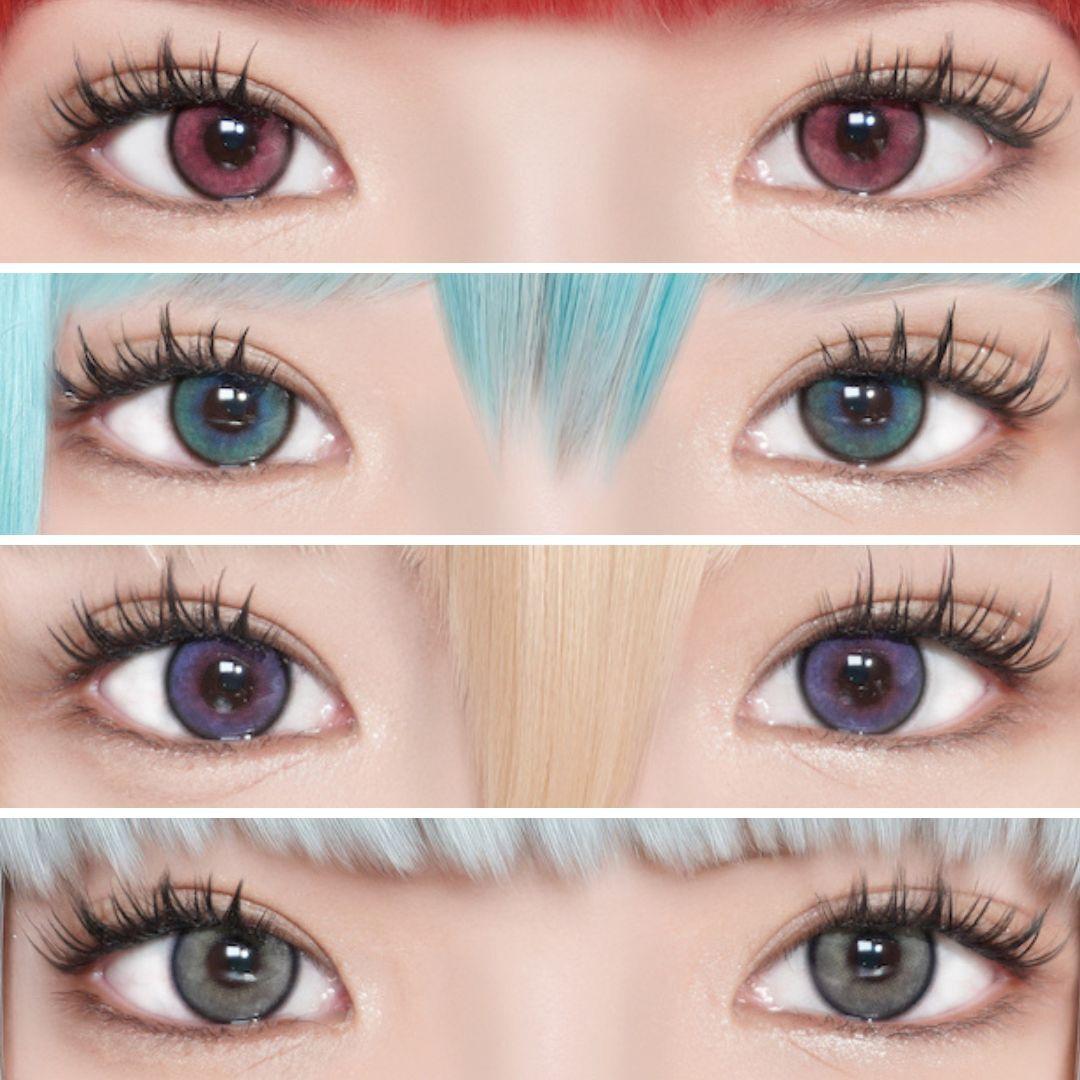
Eyes as the unifier
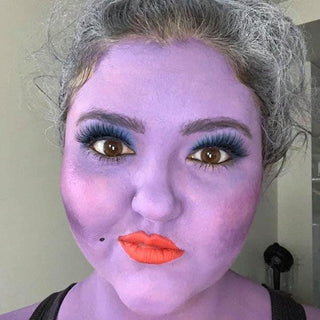
If your mashup is complex, let the eyes simplify the message. Eye styling can “belong” to the accent character even when the outfit is anchored in the base character. In short-form cosplay culture, where face-forward framing is common, eyes can do a huge amount of identity work.
Makeup as the blend language
Pick one makeup idea that expresses the mashup:
A liner shape inspired by one character with the other character’s palette
A small symbol near the eye that echoes the accent character
A color block that mirrors the fused emblem
A split look, but controlled, not chaotic
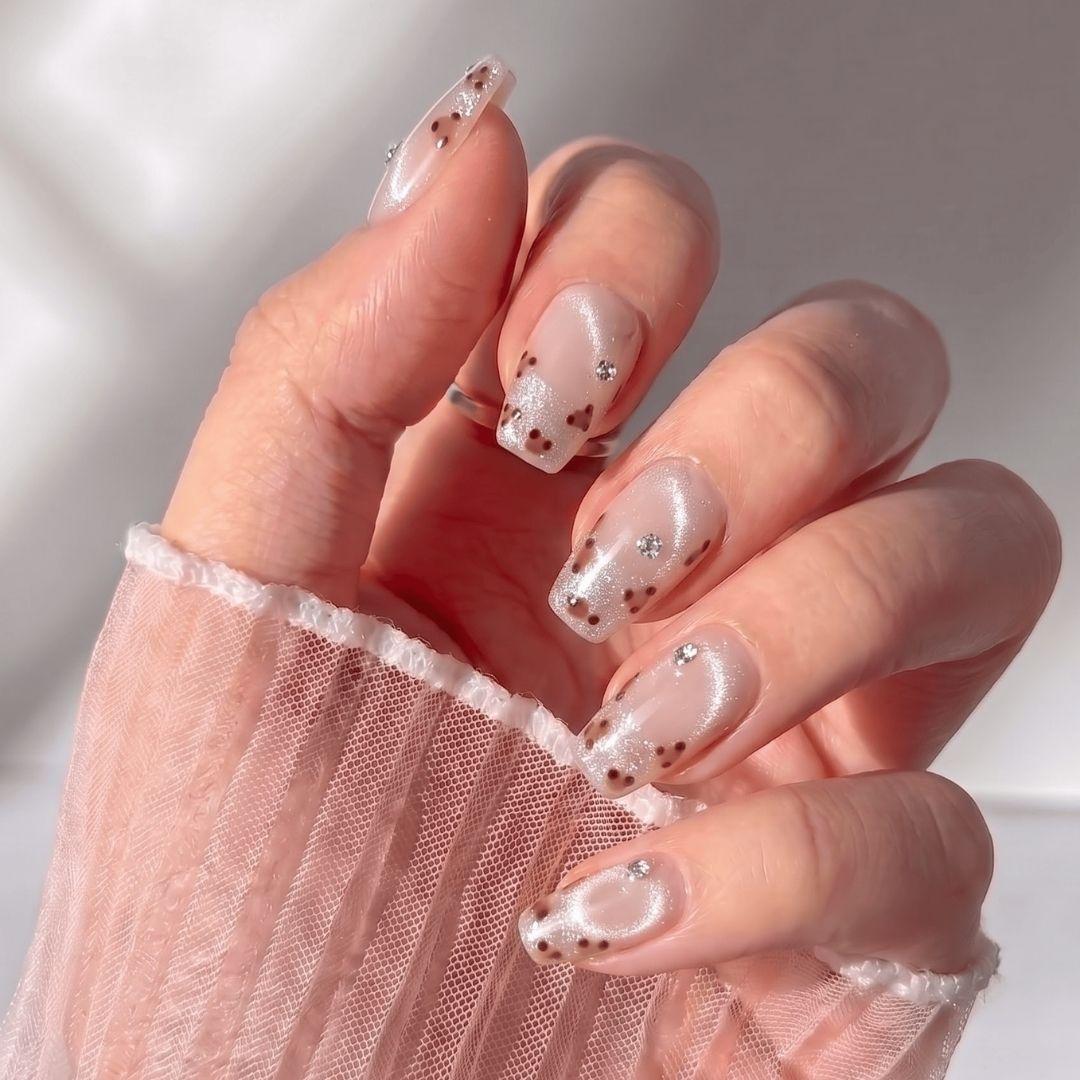
Nails as a visual anchor
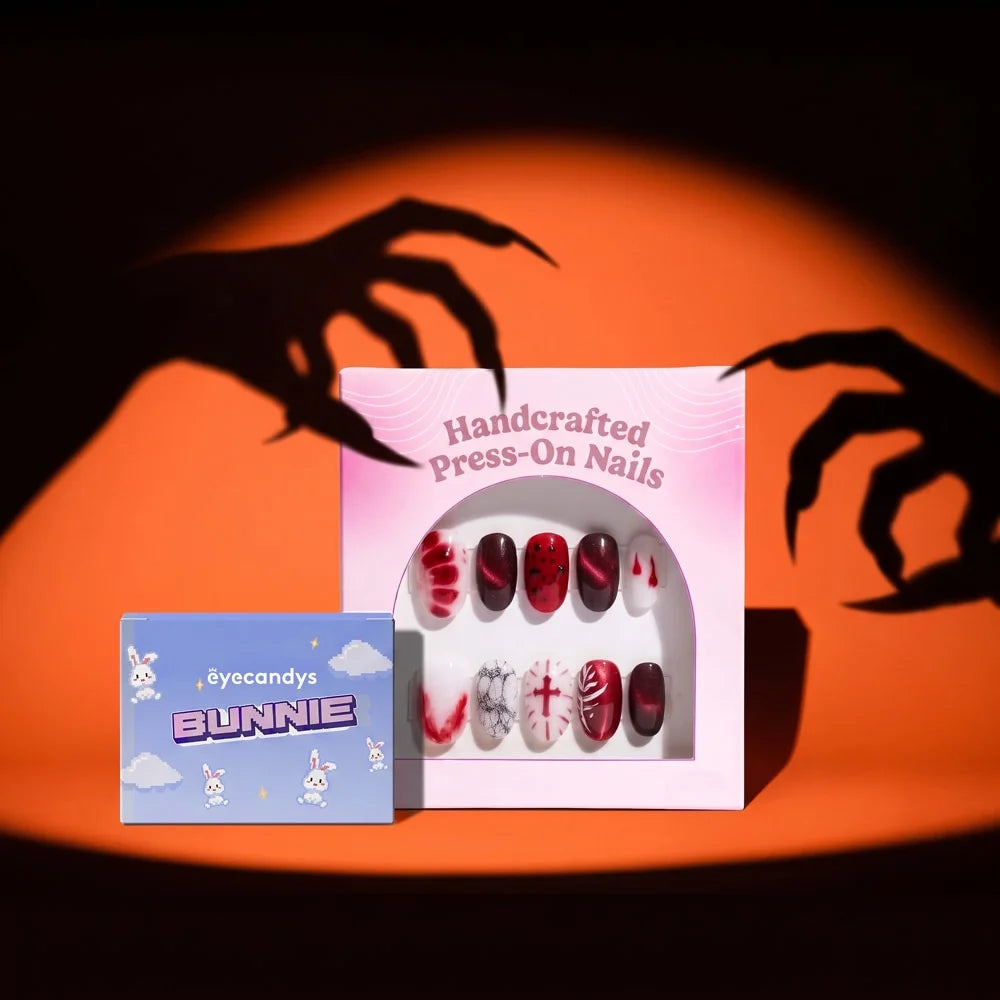
Hands show up constantly: prop holds, transitions, poses, gesture shots. Nails are an underrated way to reinforce palette and motif without adding costume clutter.
Wig strategy without going overboard
You don’t need a full custom wig to sell a mashup. Clip-ins, streaks, gradients, a strategic accessory, or a swapped bang line can create the “I get it” moment without turning your head into a craft project.
Mashup cosplay ideas you can try
If you want inspiration without feeling locked into one fandom, these prompts are flexible and easy to adapt.
Easy mashups
One character, but reimagined through a strong aesthetic (goth, cyber, magical academy, vintage glam)
Era swaps using clothing you can thrift or style (retro, Victorian-inspired, mid-2010s throwback)
One anchor outfit with two to three accent details that clearly signal the second reference
Intermediate mashups
Two characters that share similar silhouettes (so the anchor read stays clean)
A universe swap where you fully commit to the new world’s materials and seams
A hybrid prop where one character’s weapon becomes the other character’s style language
Advanced mashups
Full emblem fusion and custom hardware
Complex wig engineering or headpiece design
LED or mechanical prop elements, especially for sci-fi and horror blends
If you want a quick proof that mashups can be instantly recognizable and crowd-pleasing, mainstream Halloween and convention roundups have highlighted how effective clever “fandom mashup” prompts are for generating memorable costumes.
Common mashup cosplay mistakes and how to avoid them
The number one mashup problem is too many ideas at once. If you can’t describe the mashup in one sentence, it’s probably doing too much.
Another common issue is “no clear read.” If nobody can identify the anchor character, the mashup becomes generic. This is why the anchor-and-accent method matters.
Clashing textures and eras can also quietly sabotage a mashup. If your look includes materials that visually belong in different worlds, either unify the finishes or make the contrast the concept.
Finally, don’t overbuild before you test. Mashups benefit from iteration. Start with the smallest version of the idea, take photos, then add complexity only if it improves clarity.
Pro tip
If your mashup looks “cool” but people aren’t getting it, strengthen one thing: the emblem, the palette, or the prop. One clearer signal is usually better than three extra accessories.
How to photograph and caption mashup cosplay so people get it
Mashup cosplay is made for reveals.
For video, the simplest structure wins:
Open as the anchor character
Reveal the accent twist with one clear detail (prop, emblem, palette change, makeup close-up)
End on a hero shot that shows the full hybrid
For photos, aim for at least one tight shot that showcases the signature identifier, plus one full-body that shows the silhouette. Mashups live in details, so give the audience at least one image where the details are easy to see.
Caption formulas that work
“Character A, but make it Character B.”
“What if Character A lived in Universe B?”
“Two favorites, one design.”
“Canon is optional. The concept is the point.”
Conclusion
Mashup cosplay is rising because it fits how fandom works now: remix-friendly, design-driven, and personal. It’s also one of the most fun ways to keep cosplay feeling creative when character lists get saturated. The best mashups aren’t the ones with the most references. They’re the ones with a clear anchor, a controlled set of blend points, and one signature identifier that makes people stop, zoom, and smile.
If you’ve been itching to do something different this year, start small. Pick an anchor character, choose one accent influence, lock in a color story, and let your beauty details unify the whole concept. When the look reads in a selfie, it’ll read everywhere.