
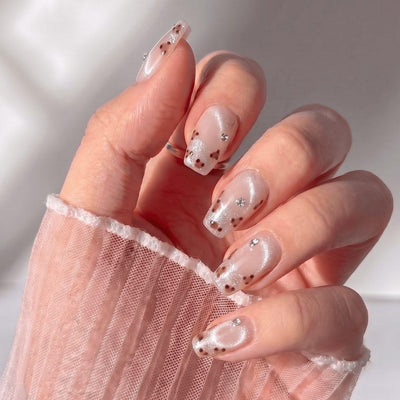

Gel nails are one of the most popular manicure options for a reason. They are glossy, smooth, long-lasting, and instantly make your nails look polished in a way regular polish does not always achieve.
But if you have ever wondered what gel nails actually are, how they work, or whether they are the right choice for your lifestyle, you are not alone.
Gel nails can refer to a few different manicure services, from gel polish on natural nails to builder gel, soft gel extensions, and hard gel enhancements. The most common version people mean when they say “gel nails” is a gel polish manicure, where a gel-based polish is applied to the natural nail and cured under a UV or LED lamp.
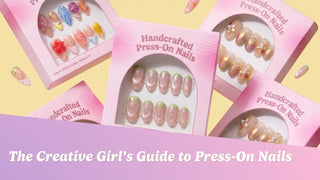
Gel manicures can be beautiful, but they also require the right application, proper curing, and careful removal. If you want the polished look without the lamp, dry time, or acetone removal process, EyeCandys handmade press-on nails can be an easier alternative for getting a salon-inspired manicure at home.
Here is what to know before choosing gel nails for your next manicure.
What Are Gel Nails?
Gel nails are a type of manicure that uses gel-based polish or gel products that harden under a UV or LED lamp. Unlike regular nail polish, gel polish does not simply air dry. It stays wet until it is cured under the light, which helps create that glossy, durable finish gel manicures are known for.
Most people use the phrase “gel nails” to describe gel polish applied over natural nails. This is the classic gel manicure you might get at a salon or do at home with a compatible lamp.
However, not all gel services are the same. Some gel products are used for strength or structure. Builder gel can help add support to the natural nail. Soft gel extensions can add length. Hard gel can create stronger enhancements, but it usually requires professional maintenance and removal.
For beginners, the easiest way to think about it is this: gel polish is mostly about color, shine, and longer wear, while gel enhancements may add more structure, length, or strength.
How Do Gel Nails Work?
A gel manicure usually starts with nail prep. The nails are shaped, the cuticle area is cleaned up, and the nail surface is gently prepared so the gel can adhere properly.
After prep, a gel base coat is applied and cured under a lamp. Then thin coats of gel color are added one layer at a time, with each layer cured before the next one is applied. The manicure is finished with a gel top coat, which is also cured to lock in the shine.
The curing step is what makes gel different from regular polish. Gel polish hardens under a UV or LED lamp instead of drying in the air. Once cured correctly, the manicure should feel dry to the touch, glossy, and ready to go.
That is one reason people love gel nails. You do not have to sit around waiting for polish to dry or worry about smudging your nails as soon as you leave the salon. But proper curing matters. If gel is applied too thickly, cured with the wrong lamp, or not cured long enough, it may not wear the way it should.

Why Are Gel Nails So Popular?
Gel nails are popular because they give you a polished look that tends to last longer than regular nail polish.
The finish is one of the biggest reasons people love gel manicures. Gel nails usually look extra glossy and smooth, which gives them that fresh-from-the-salon appearance. They are also less likely to smudge after application because the polish is hardened during the curing process.
Gel manicures are especially appealing for people who want their nails to look done for work, vacations, weddings, events, or everyday wear. If regular polish chips quickly on you, gel may feel like a more durable option.
For many people, gel is the manicure they choose when they want shine, color, and a more finished look without adding major length or dramatic extensions.
How Long Do Gel Nails Last?
Most gel manicures can last around one to two weeks, depending on your nails, lifestyle, application, and removal habits. Some people may get longer wear, while others may notice lifting or chipping sooner.
Wear time depends on several things. Nail prep matters because gel needs a clean, dry surface to grip. Curing matters because the product has to harden properly. Lifestyle matters too. If your hands are constantly in water, cleaning products, gloves, or hands-on work, your gel manicure may wear faster.
Picking at lifting edges can also shorten the life of a gel manicure and may damage the natural nail underneath. If a gel manicure starts lifting, it is better to remove it properly instead of peeling it off.
Gel nails can be long-lasting, but they are not maintenance-free. The better the application and removal, the better the overall experience.
Gel Nails vs. Regular Nail Polish
The biggest difference between gel nails and regular nail polish is how they dry.
Regular nail polish air dries. You apply it, wait for it to dry, and hope you do not smudge it in the process. It is easy to change at home and usually easier to remove, but it may chip faster.
Gel polish cures under a UV or LED lamp. It does not dry on its own in the same way regular polish does. Once cured, gel usually has a glossier finish and longer wear than traditional polish.
Regular polish may be better if you love changing your nail color every few days or want something simple to remove at home. Gel may be better if you want a manicure that looks shiny and polished for longer.
The tradeoff is removal. Regular polish usually comes off quickly with nail polish remover, while gel polish requires more careful removal so you do not peel or scrape your natural nails.
Gel Nails vs. Acrylic Nails
Gel nails and acrylic nails are not the same thing, though both are popular salon options.
A gel polish manicure is typically applied over the natural nail for color and shine. Acrylic nails usually use a liquid-and-powder system to create a stronger nail enhancement, often with added length or a more dramatic shape.
Gel polish tends to feel lighter when worn over the natural nail. Acrylics are often chosen when someone wants extensions, structure, or a bold shape that the natural nail cannot support on its own.
That said, there are also gel extensions and builder gels, so the difference depends on the specific service. If you are booking an appointment, it is always helpful to ask whether you are getting gel polish, builder gel, soft gel extensions, hard gel, or acrylics.
If your goal is glossy color on your natural nails, a gel manicure may be enough. If your goal is length or major structure, you may be looking at gel extensions, builder gel, hard gel, or acrylics.
Are Gel Nails Bad for Your Nails?
Gel nails are not automatically “bad,” but damage can happen when they are applied or removed incorrectly.
The biggest issue is usually not the color itself. It is what happens around the manicure. Over-filing, aggressive buffing, picking, peeling, or forcing gel off the nail can leave natural nails feeling thin, rough, weak, or sensitive.
Gel manicures also require exposure to a curing lamp, and some people prefer to take extra precautions with the skin on their hands during that step. If you get gel manicures often, it is worth being mindful of how your nails and skin respond over time.
The manicure itself is only part of the story. How the gel is removed matters just as much as how it is applied. Picking or peeling gel polish can damage the nail surface, so removal should be slow, gentle, and never forced.
What to Know Before Getting Gel Nails
Before getting gel nails, think about your nail health, lifestyle, and how much maintenance you want.
Gel may be a good option if your nails are healthy and you want a glossy manicure that lasts longer than regular polish. It can be great for vacations, events, work, or everyday polish when you do not want to repaint your nails every few days.
You may want to pause before getting gel if your nails are already peeling, sore, cracked, thin, or irritated. Applying gel over damaged nails can make it harder to tell what is going on underneath, and removal may feel more difficult if your nails are already fragile.
It is also helpful to know what kind of gel service you are getting. Gel polish, builder gel, soft gel extensions, and hard gel are not all removed the same way. Before you commit, ask how the product is applied, how long it usually lasts, and how it should be removed.
If you notice redness, itching, swelling, burning, lifting, or unusual nail changes after a gel manicure, take a break and check in with a qualified professional before applying more products.
How Are Gel Nails Removed?
Gel nail removal depends on the type of gel.
Soak-off gel polish is usually removed with acetone. The top layer may be gently filed to break the seal, then the nails are wrapped or soaked so the gel can soften. Once softened, the gel should lift away without aggressive scraping.
Hard gel is different. It generally does not soak off the same way and usually needs to be filed down by a professional. This is one reason it is important to know what kind of gel you have before trying to remove it at home.
The most important rule is simple: do not rip, pick, or peel gel off your nails. If the gel does not come off easily, it needs more time, a different removal method, or professional help.
After removal, your nails may benefit from a little extra care. Keep them short if they feel weak, moisturize your hands and cuticle area, and give your nails a break if they feel thin or sensitive.

Can You Do Gel Nails at Home?
Yes, you can do gel nails at home, but it takes the right products and a careful routine.
At-home gel manicures usually require a compatible curing lamp, gel base coat, gel color, gel top coat, prep tools, and removal supplies. You also need to apply thin layers, keep gel off the skin, cure each layer fully, and remove the product properly when it is time.
The most common at-home gel mistakes are applying coats too thick, flooding the cuticle area, touching gel to the skin, under-curing the product, and peeling the gel off later.
At-home gel can be fun if you enjoy the process, but it is not always the fastest or easiest option. Between prep, curing, cleanup, and removal, gel takes more effort than a basic polish change or press-on application.
A No-Lamp Alternative: Handmade Press-On Nails
Gel nails can be beautiful, but they are not always the easiest choice.
If you want a polished nail look without a curing lamp, dry time, or acetone removal routine, handmade press-on nails can be a simpler alternative.
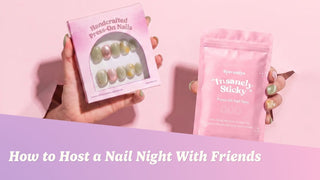
EyeCandys handmade press-on nails give you a salon-inspired look at home with finished designs, glossy styles, and reusable wear when removed and stored properly. Instead of painting and curing each layer, you can choose a set that already fits your style, prep your nails, apply your adhesive, and press them on.
Press-ons are especially helpful if you like changing your nail look often. You can wear soft nails for work, chrome nails for a night out, pearl nails for a wedding, bold colors for vacation, or character-inspired nails for cosplay.
They are also great for one-time events. If you only need a manicure for a weekend, party, photoshoot, or special outfit, press-ons let you get the look without committing to one color for weeks.

Gel Nails vs. Press-On Nails: Which Should You Choose?
Gel nails may be the better choice if you want a longer-lasting polish manicure and do not mind the curing and removal process. They are great for glossy color, everyday polish, and a salon-finished look on natural nails.
Press-on nails may be the better choice if you want something faster, reusable, easier to change, and lower commitment. They are especially useful for people who like switching styles by outfit, season, mood, event, or cosplay.
Gel is more of a manicure service. Press-ons are more like a beauty accessory.
One is not automatically better than the other. It depends on your lifestyle. If you want a polished look for two weeks, gel may make sense. If you want nails you can apply at home, remove gently, store, and rewear, press-ons may be the better fit.
Final Takeaway: Gel Nails Are Glossy, Long-Lasting, and Worth Understanding
Gel nails are a popular manicure option because they offer glossy color, longer wear, and a polished finish. They can be a great choice when applied and removed properly, but they do require curing, maintenance, and careful removal.
Before getting gel nails, it helps to understand what type of gel service you are choosing, how it will be removed, and whether it fits your nail health and lifestyle.
And if you love the finished look of gel but want something easier to apply, change, and reuse, EyeCandys handmade press-on nails are a no-lamp alternative that can help you get a salon-inspired manicure at home.
For more nail tips and tricks, check out the EyeCandys blog for guides on gel vs. acrylic nails, press-on application, safe removal, nail shapes, and building your perfect nail wardrobe.
Related Reading
- Press-On Nails for Sensitive Nails
- How to Safely Remove Dip Nails and Acrylic Nails at Home
- Bold Nail Colors to Try
- Are Press-On Nails Reusable?
- How to Make Press-On Nails Last Longer


Get the Gel Look Without the Lamp
If you love the finished look of gel but want something easier to apply, change, and reuse, EyeCandys handmade press-on nails are a no-lamp alternative that can help you get a salon-inspired manicure at home.