Introduction
Cosplay in 2026 feels less like chasing one “it” character and more like building a look that reads instantly on camera, holds up all day at a con, and still feels personal. The biggest shifts aren’t only about which fandom is hottest. They’re about how people are cosplaying: faster builds, smarter materials, more comfort-first engineering, and beauty choices that do half the storytelling before you even put on the wig.
This predictive guide is built around what’s already popping across internet culture, beauty and fashion forecasting, and the kinds of fandom cycles that reliably translate into cosplay waves. Expect big nostalgia energy, bold color, elevated “closet cosplay” styling, and a continued rise in tech-assisted crafting.
What’s shaping cosplay right now
The 2016 nostalgia reset is real
A mid-2010s throwback wave is actively reshaping aesthetics in early 2026, and it’s not subtle. Think era-specific makeup, throwback filters, and the kind of “I remember exactly where I was when…” internet references that instantly set a mood. For cosplay, this is powerful because it creates a ready-made styling template you can apply to almost any fandom.
What this changes: instead of needing a single, universally recognized character, you can build a look that’s “2016-coded” and still feels like a costume. It’s a vibe people recognize in a split second.
Color is getting louder and more specific
2026 color trends are bold, playful, and extremely usable for cosplay. When a color story is strong, you can do more with less: a wig, a liner choice, nails, and lenses can create a complete character impression even with a simplified outfit.
Expect to see more cosplay described in palettes and archetypes, not just character names.
Cosplay is leaning more “build smart” than “build huge”
Big armor builds will always have a place, but the center of gravity keeps shifting toward modular construction and lightweight engineering. People want costumes they can pack, repair, and actually wear for eight hours. That means hybrid builds are winning: foam plus printed details, fabric plus sculpted accents, and clever strapping that doesn’t destroy your shoulders by hour three
The top cosplay trends of 2026
1. The 2016 reboot, but through a cosplay lens
This year’s nostalgia isn’t just casual fashion. It’s a styling language you can layer onto almost any character.
How it shows up
Throwback edits and filters paired with cosplay reveals
Mid-2010s silhouettes and accessories used as “character shorthand”
Makeup choices that intentionally echo that era: liner shape, lash emphasis, and specific lip textures
Pro tip
If you’re going for a 2016-coded cosplay, the finishing choices matter as much as the outfit. The brows, eyeliner, and the overall “photo texture” sell it.
2. Color-coded archetypes instead of one single character
Instead of everyone chasing the same protagonist, more cosplayers are building around instantly readable archetypes tied to a palette. It’s flexible, trend-resistant, and performs well online because it’s easy to understand in a single image.
Archetypes that will dominate
- Icy blue: winter fairy, ice mage, celestial prince, frost siren
- Chartreuse: cyber pixie, glitch witch, neon assassin
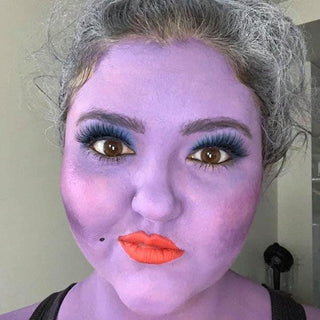
- Vibrant purple: dark royalty, vampire countess, cosmic empress
- Canary yellow: hero-in-training, magical girl remix, retro pop icon
- Candy pink: bubble-pop villain, dreamy idol, “sweet but lethal”
- Rich teal: sea witch, underwater deity, haunted mermaid-core
Why it works
Even if a specific fandom falls out of the algorithm, the archetype still lands. A teal siren is still a teal siren. A chartreuse glitch witch still reads instantly. You’re building something that’s recognizable without being dependent on one title staying popular.
3. Unconventional character cosplay is breaking through
A clear signal in 2026: people get rewarded for choosing characters that aren’t already saturated. That can mean side characters, weird designs, nostalgic deep cuts, or “background legends” the fandom loves but rarely sees brought to life.
How to make it pop
Pick a character people love but rarely see
Add one signature build element: headpiece, prop, cape mechanism, wearable creature, dramatic collar
Show the process, not just the reveal. The build story is part of the performance now
Pro tip
If you’re choosing a niche character, give the audience one fast “anchor” detail so they understand the reference immediately. A signature silhouette, a prop, or a very specific color story does the job.
4. Tech-assisted crafting is becoming normal
Tech isn’t replacing handmade cosplay. It’s streamlining the hardest parts. In 2026, digital tools are moving from “nice to have” into a standard workflow: scaling patterns, testing proportions, and producing repeatable clean details.
What it looks like in practice
3D-printed emblems, buckles, filigree, and trim layered onto foam builds
Digitally templated shapes for repeat accuracy
More animated props: LEDs, moving segments, modular assembly
Digital mockups before a single cut is made
Pro tip
Start with tech that solves one pain point. Print the parts that are hardest to sculpt cleanly, then keep the rest handmade. That’s the sweet spot for most builders.
5. Sustainable swaps and analog revival energy
Alongside tech, there’s a counter-movement: handmade texture and low-waste builds. This shows up as thrift flips, fabric re-dyes, reusing base garments across multiple cosplays, and visible “crafted” finishes that feel intentionally human.
What’s trending
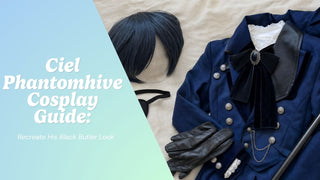
Thrifted base pieces upgraded with custom trim and closures
Re-dyeing and overpainting fabrics to hit the exact tone
“Capsule cosplay” wardrobes where one base outfit supports multiple looks
Pro tip
Build a reusable base in a neutral shade (boots, corset, coat, bodysuit), then swap accents and accessories to create multiple characters or archetypes.
6. Comfort-first cosplay is becoming the standard
The most practical trend of 2026 is also the most impactful: people are designing for movement, heat, and long wear. More creators are filming outdoors, spending longer days at cons, and building with wearability in mind.
Comfort details that are getting more common
Hidden athletic fabric panels for ventilation
Lightweight foam composites and smarter internal strapping
Props that break down for travel
Shoes that look correct but feel like sneakers
Pro tip
If your cosplay has any rigid piece, test-sit, test-lean, test-stairs before con day. Comfort issues rarely show up when you’re standing still in your living room.
7. Beauty-led cosplay: eyes, nails, and makeup as the core build
More cosplayers are starting from the face outward because that’s how content is consumed. Close-ups often outperform full-body shots, especially on short-form video. When the eyes, nails, and makeup are locked in, the entire illusion feels cohesive even if the outfit is simplified.
Beauty choices that define the look in 2026
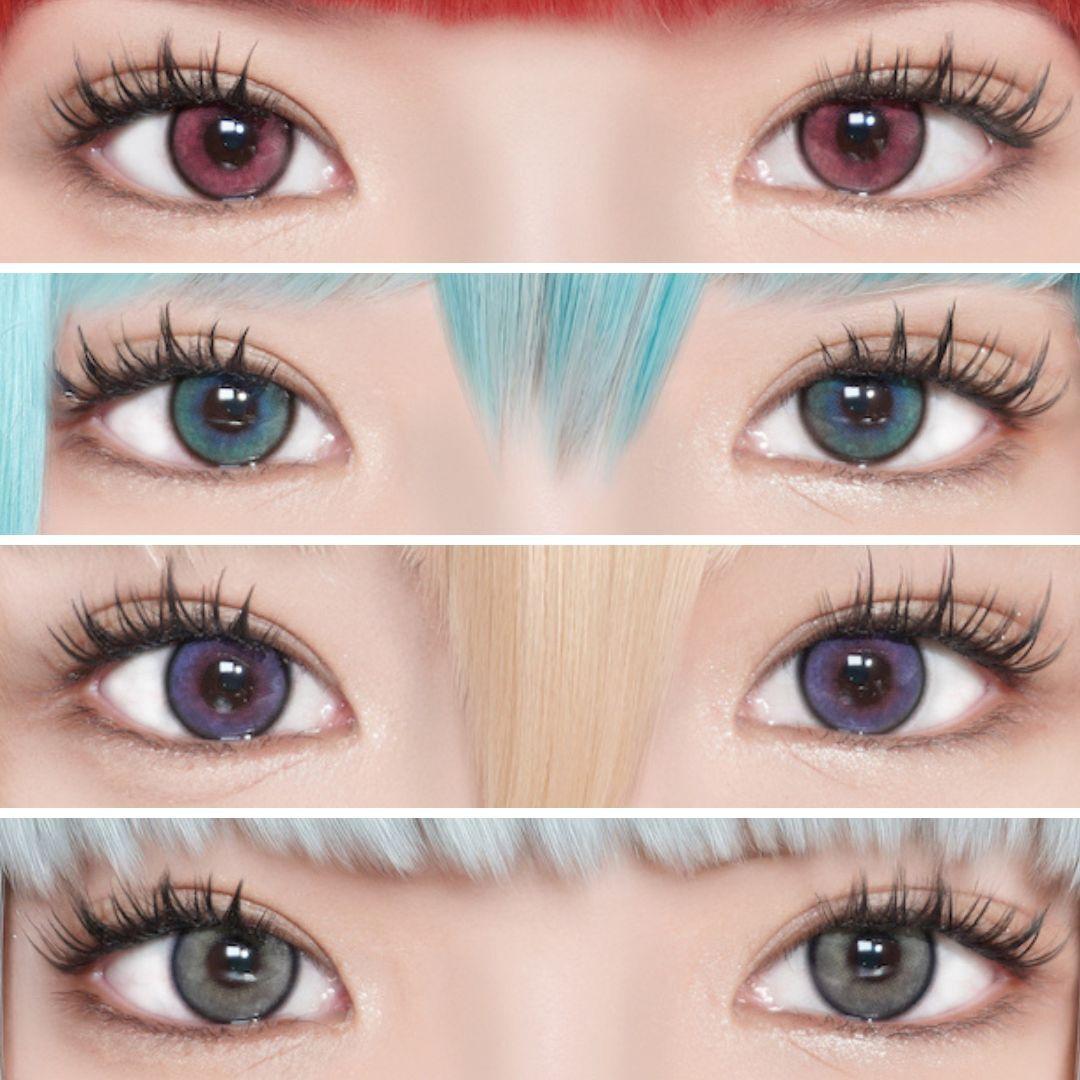
High-contrast eyes in bold palettes (teal, icy blue, violet)
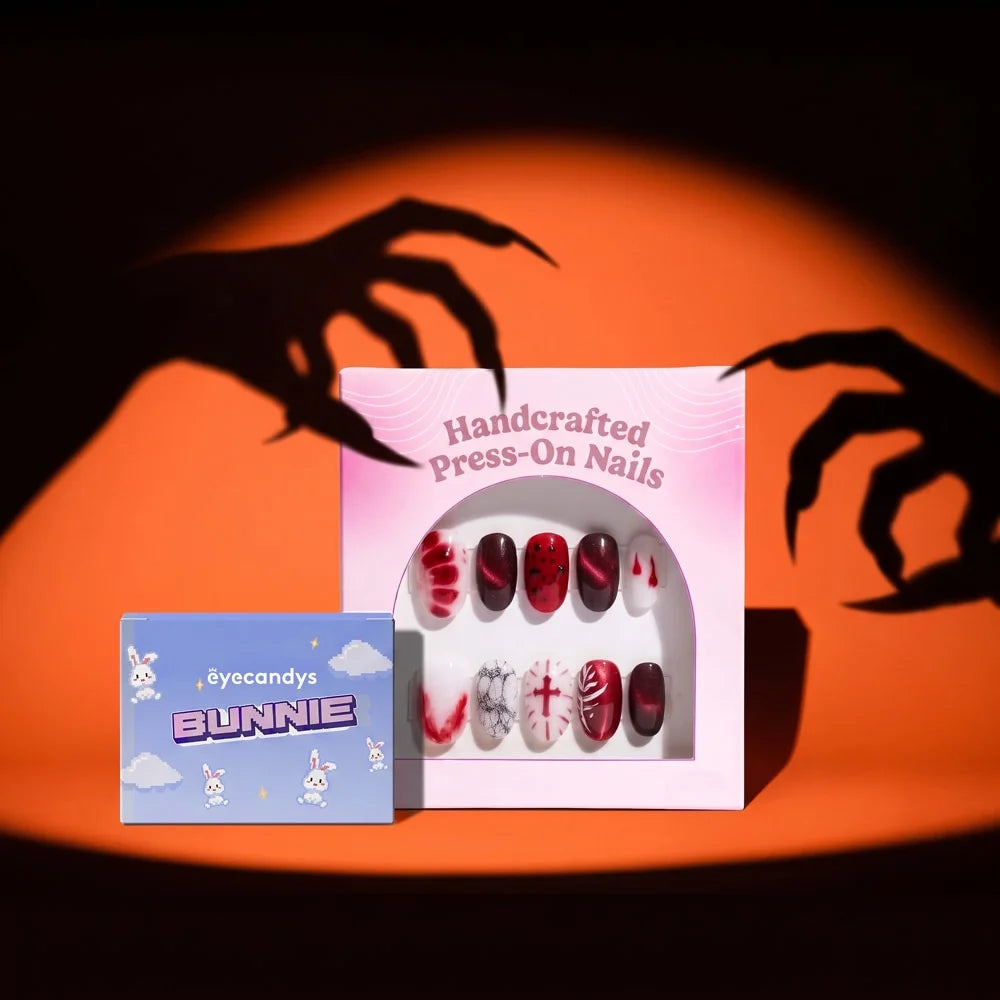
Nails that match the character’s aura, not just the costume color
Skin finishes that tell a story: dewy for ethereal, matte for retro, satin for villain glam
Pro tip
If you want the biggest impact with the least effort, match three things: lenses, nails, and one statement makeup shade. You’ll look intentional even with a simple wardrobe build.
8. Group cosplay is evolving from “matching” to “cinematic”
Group cosplay has always been popular, but the format is changing. It’s less about identical uniforms and more about building a scene: coordinated palettes, planned poses, and props designed to work together in video.
Group formats that will dominate
Trios with assigned colors (pink, purple, teal)
“Villains only” squads with a unified palette
Genre groups: cyber, fantasy, undead, magical academy
Throwback squads: 2010s internet archetypes
Pro tip
For group cosplays, plan one signature pose and one signature prop moment before you arrive. The best content usually happens because the shot was designed, not improvised.
9. Closet cosplay gets elevated and intentional
Closet cosplay used to mean “I tried.” In 2026 it’s often a deliberate style choice: a fashion-forward interpretation that nods to the character while still reading as an outfit you’d wear.
Why it’s winning
It’s easier to repeat and remix across multiple posts
It’s more comfortable for travel days and long events
It photographs as aspirational style, not just costume
Pro tip
Treat closet cosplay like editorial styling. Build a silhouette first, then layer in character-coded details: color story, accessory choice, nails, and eyes.
What to cosplay if you want to feel on-trend without chasing one fandom
If you want a trend-forward cosplay strategy that doesn’t rely on one show staying hot, build around these “evergreen but current” lanes:
The nostalgia lane
A 2016-coded version of almost any character
Throwback makeup and a slightly retro silhouette
The palette lane
Pick a color and build an archetype around it
Teal siren, icy fairy, violet vampire, chartreuse glitch witch
The comfort lane
A simplified version of a complex character
Focus on strong face styling and one hero costume piece
The build-flex lane
One base garment plus modular add-ons
Swap details to become multiple characters across the year
EyeCandys-style finishing touches that level up any cosplay
Cosplay is a full illusion, and the smallest details often do the most work on camera.
Color contacts as character shorthand
If your character is known for intense, unusual, or high-contrast eyes, lenses can instantly make the look feel “real,” especially in close-ups. Even for closet cosplay, lenses can push the vibe into unmistakably character-coded territory.
Nail looks that match the vibe
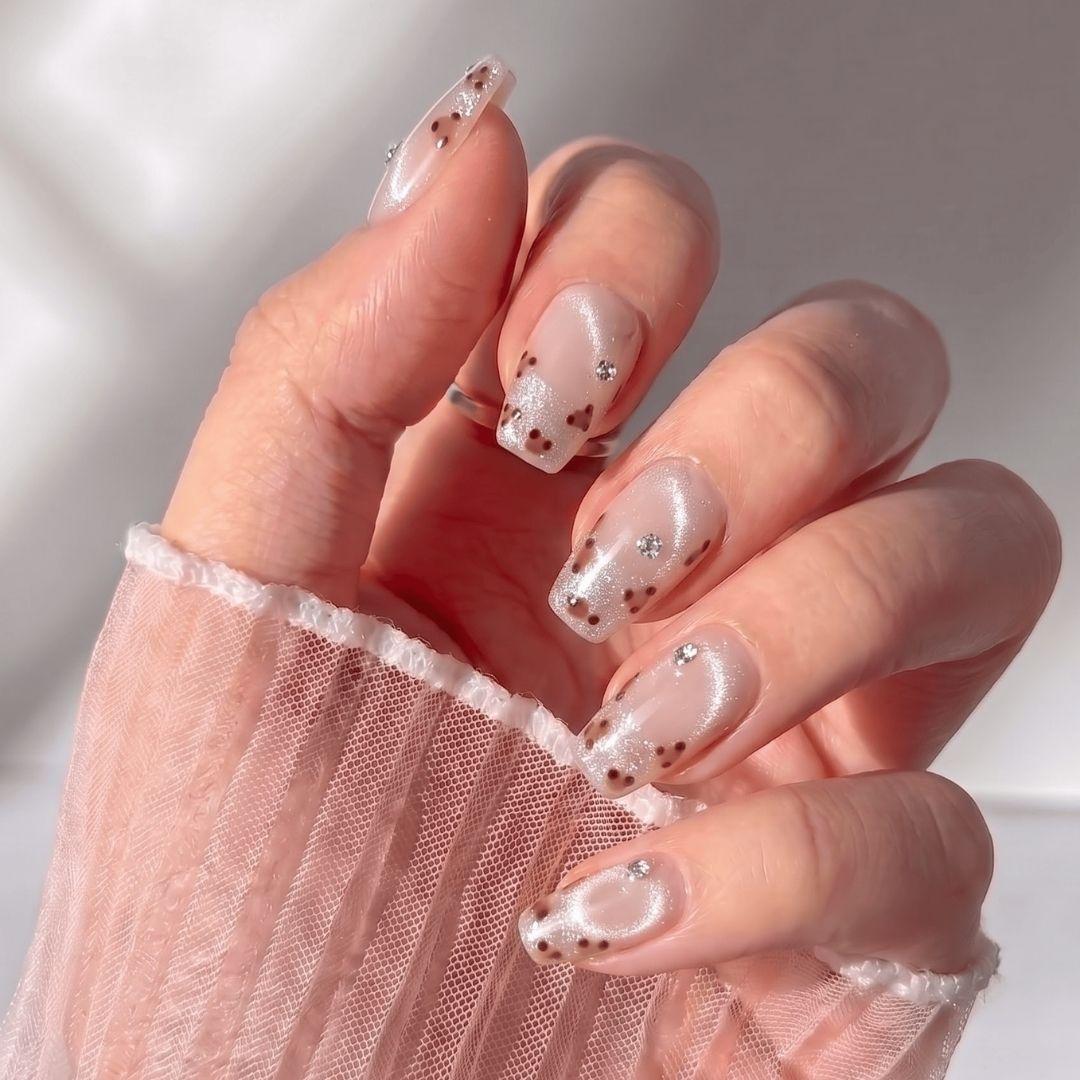
Nails are a cheat code because they show up in every prop shot, every reveal, every hand pose, every transition. Matching nails to your character’s aura (not just their outfit color) makes your cosplay feel more thoughtful and elevated.
Makeup that supports the story
Choose one primary makeup statement that fits your archetype: icy shimmer for ethereal, high-contrast liner for villain glam, or throwback finishes for the 2016 reboot energy. When the makeup has a clear “why,” the costume feels more intentional.
Conclusion
Cosplay in 2026 is trending toward smarter builds, stronger palettes, and styling choices that perform on camera as well as they do in real life. The biggest wins this year won’t come from chasing one single character everyone else is doing. They’ll come from building an instantly readable look with a clear aesthetic lane: nostalgia-coded, color-coded, comfort-first, or beauty-led.
If you’re planning your next cosplay, start with the vibe you want to embody, lock in your color story, and let your finishing touches do the heavy lifting. When the eyes, nails, and makeup are cohesive, your cosplay reads as a full character even before the first prop comes out.