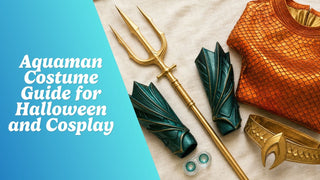
Aquaman offers far more costume possibilities than a single orange shirt and green pair of trousers. Depending on the version you choose, Arthur Curry can appear as a colorful comic-book hero, a rugged surface dweller, an armored warrior, or the ceremonial King of Atlantis.
That variety makes Aquaman an approachable Halloween costume for beginners and a rewarding project for experienced cosplayers. A simple version can be created with an orange athletic top, green trousers, gold accessories, and a lightweight trident. Advanced makers can construct flexible scale armor, sculpt a detailed Atlantean weapon, add metallic weathering, and develop a complete royal transformation.
The key is choosing one primary interpretation before you begin. Aquaman’s comic, animated, and cinematic looks use very different silhouettes and materials. Building around a clear reference will create a more convincing costume than combining unrelated pieces from several designs.
You do not need to match Aquaman’s height, build, hair, complexion, or facial features. His ocean-inspired palette, scale textures, trident, and commanding presence provide enough visual information to make the character recognizable.
Who Is Aquaman?
Aquaman is Arthur Curry, the ruler of Atlantis and one of DC’s most powerful heroes. His story connects the human world above the ocean with the civilizations hidden beneath it.
Arthur is the son of Thomas Curry, a lighthouse keeper, and Atlanna, a queen of Atlantis. His mixed heritage places him between two worlds and eventually gives him a responsibility to protect both. DC describes Aquaman as the King of the Seven Seas, a founding member of the Justice League, and a hero whose abilities include immense strength, underwater survival, exceptional swimming, and telepathic connections with marine life.
That position is central to his character. Arthur is not simply an underwater superhero who happens to carry a trident. He must balance the needs of Atlantis with the actions of the surface world, even when neither side completely trusts him.
Different stories emphasize different parts of his personality. A classic comic interpretation may feel polished, heroic, and openly regal. A modern cinematic Arthur Curry can be more rebellious, direct, and uncomfortable with royal expectations. A King of Atlantis portrayal should feel controlled and authoritative, as though the trident represents responsibility rather than merely a powerful weapon.
Aquaman’s confidence should influence the finished cosplay. Strong posture, grounded poses, and deliberate movement can communicate the character even before the armor and props are added.
Understanding Aquaman’s Signature Look
Aquaman’s appearance has changed considerably across comics, animation, television, and film, but several elements appear repeatedly.
Orange or gold usually covers the upper body, while green, teal, or deep blue appears through the trousers, gloves, boots, and lower armor. Scale textures connect his clothing to marine life, and metallic surfaces suggest the advanced craftsmanship of Atlantis.
The trident is the most important accessory. It functions as a weapon, an Atlantean artifact, and a symbol of Arthur’s authority. Even a simplified costume becomes easier to recognize when it includes a gold or Atlantean-inspired trident.
Hair length and color vary between interpretations. Classic Aquaman is often portrayed with shorter blond hair, while modern versions may feature longer brown or dark blond hair and facial hair. Neither look is required. Choose the hairstyle that supports your preferred costume while remaining comfortable and practical.
Choosing Your Aquaman Costume
The best Aquaman costume begins with a specific version. Use images from one comic era, animated appearance, or live-action adaptation as your main reference, then make practical changes based on your budget and experience.
Classic Orange-and-Green Aquaman
The classic orange-and-green suit is the most beginner-friendly version and one of the easiest to recognize from a distance.
The outfit typically combines an orange scale-patterned top with fitted green trousers, gloves, boots, a gold belt, and a matching trident. Some versions include additional green or black sections around the waist, but the orange-and-green color blocking remains the defining feature.
This costume is a strong choice for retro superhero groups, comic conventions, family-friendly Halloween events, and Justice League lineups. It is also easier to move in than a full armored build.
A beginner can use ordinary athletic clothing and add a scale pattern with fabric paint or a stencil. An experienced sewist can construct the complete suit from stretch materials, create custom gloves and boots, and incorporate raised scale appliqués.
Modern Armored Aquaman
Modern live-action interpretations replace the simple superhero top with dimensional gold-and-green armor. The surface may include overlapping scales, sculpted panels, metallic finishes, gauntlets, and intricate Atlantean patterns.
This version is ideal for cosplayers who enjoy EVA foam, thermoplastics, armor painting, and weathering.
A simplified Halloween version can use a printed compression shirt or metallic gold top with dark green trousers, gauntlets, and boot covers. A more advanced costume can include individually shaped scales, a sculpted chest piece, segmented abdominal armor, layered gloves, and a highly detailed trident.
The armor must still allow movement. Aquaman needs to raise the trident, turn his torso, crouch, and hold wide action poses. A rigid chest piece that looks impressive while standing still may become uncomfortable after only a short time.
Casual Arthur Curry
Arthur Curry’s surface-world clothing offers a comfortable closet-cosplay alternative.
A casual interpretation can use dark jeans or fitted trousers, heavy boots, a dark shirt, textured outerwear, and an Atlantean pendant. Longer hair, facial hair, or temporary tattoo effects can move the look closer to a modern cinematic version.
Because casual Arthur does not have the bright colors of the classic costume, a recognizable accessory becomes more important. Carrying a lightweight trident, wearing an Atlantean symbol, or posing beside Mera can prevent the outfit from looking like a general rugged traveler costume.
This version works well for all-day conventions, casual Halloween events, and cosplayers who prefer a subtler character reference.
King of Atlantis
A King of Atlantis interpretation can build on Aquaman’s armor with ceremonial and royal elements.
A crown, ornate trident, structured shoulder armor, long cape, decorative belt, and Atlantean symbols can transform the hero into a formal ruler. Deep green velvet, metallic gold, translucent fabric, pearls, iridescent panels, and scale textures can suggest the richness of an underwater kingdom.
This direction gives experienced cosplayers room to create an original design. The finished look does not have to copy one exact costume, but it should preserve enough Aquaman details to remain recognizable.
Use the gold-and-green palette, trident, aquatic textures, and regal posture as the foundation. Additional details should support the concept of an Atlantean king rather than turning the costume into an unrelated fantasy ruler.
Stealth Aquaman
A stealth or tactical version can replace the bright comic palette with black, navy, silver, and muted green.
This costume might include a fitted bodysuit, subtle scales, dark gauntlets, streamlined boots, and a silver or black trident. It is a useful choice for cosplayers who prefer darker superhero outfits or want Aquaman to coordinate with modern Justice League costumes.
Because the familiar orange and gold are reduced, the trident, aquatic patterns, and Atlantean symbols become especially important.
Creating a Beginner Aquaman Halloween Costume
The easiest Aquaman costume begins with an orange fitted shirt and green trousers or leggings.
A scale-print athletic top is ideal, but a plain orange shirt can still work when it is paired with the correct colors and a trident. Look for a top that allows you to raise your arms comfortably and remains breathable during a long event.
One simple way to add scales is to place fishnet fabric over the shirt and lightly apply metallic fabric paint through the openings. Remove the netting to reveal a repeating pattern. Test this technique on spare fabric first because some paints may bleed, dry stiff, or change the stretch of the material.
Pair the top with green leggings, fitted trousers, or athletic pants. Add green gloves and boots, or create temporary boot covers from stretch fabric.
A gold belt can be made from craft foam, metallic fabric, or an inexpensive costume belt. Keep the design flexible so it does not dig into the waist when you sit.
Finish the costume with a lightweight gold trident. Even when the clothing is simplified, the strong orange-and-green palette and royal weapon should make the character easy to identify.
Building an Aquaman Closet Cosplay
A closet cosplay can use an orange sweater or athletic shirt, green trousers, boots, and a gold belt. Add a trident to complete the reference.
A second option is the casual Arthur Curry look. Combine dark trousers, a fitted shirt, rugged boots, and a leather-inspired jacket or vest. Add a necklace, temporary Atlantean markings, or a small piece of armor.
The classic version will usually be easier to recognize in a crowded event. Casual Arthur relies more heavily on styling, props, posing, and the presence of other DC characters.
Creating an Intermediate Aquaman Cosplay
An intermediate build can introduce sewing, foam work, and more dimensional textures without requiring a complete armored suit.
Begin by creating or altering the orange top. Stretch fabric printed with a scale pattern will produce a clean surface while preserving movement. You can also attach lightweight scale appliqués around the chest, shoulders, or sleeves.
Avoid covering the entire garment with thick pieces before testing its flexibility. Concentrating texture in a few visible areas can create a stronger costume without making the top unnecessarily heavy.
Thin EVA foam works well for the belt, gauntlets, shoulder details, and boot covers. Heat-shape each piece, test the fit, and make all necessary adjustments before sealing and painting it.
Hidden elastic or hook-and-loop closures can keep the armor secure while allowing it to be removed for transportation. Place straps where they will not restrict your joints or cut into the skin.
An intermediate trident can be designed in sections that connect after you arrive at the event. This makes the prop easier to transport without sacrificing its height.
Building Advanced Aquaman Armor
An advanced Aquaman costume should begin with movement tests rather than decoration.
Create a fitted base layer and identify the areas that need the most flexibility. The shoulders, ribs, waist, elbows, knees, and hips all need enough range for action poses and normal convention activities.
The chest armor can be made from flexible foam, textured thermoplastic, or a stretch garment covered with lightweight scales. Segmented sections will move more naturally than one large rigid shell.
Hidden elastic, flexible adhesives, and stretch panels can help the costume expand and contract with the wearer. Test every major movement before applying the final paint and sealant.
Aquaman’s gold should not appear as one flat yellow surface. Begin with a darker base, add warm metallic gold, and apply brighter highlights to the raised edges. Controlled shadows between the scales will reveal the texture in photographs.
The green sections can combine emerald, teal, blue-green, and dark shading. Small amounts of iridescent paint may suggest reflected underwater light, but too much glitter can make the armor look less substantial.
Weathering should have a purpose. Darkened recesses, minor scratches, and subtle discoloration can make the armor appear used without suggesting that Atlantis cannot maintain its royal equipment.
Creating Aquaman’s Scale Texture
There are several ways to reproduce Aquaman’s scales, and the best method depends on your experience level.
Scale-print fabric is the easiest option because it provides texture without adding weight. Fabric stencils, fishnet patterns, and metallic paint can create a similar effect on an existing garment.
Intermediate builders can cut individual scales from thin foam and overlap them across selected areas. Begin at the lower edge and work upward so each row naturally covers the attachment points beneath it.
Advanced cosplayers can create complete panels from foam, thermoplastic, silicone-like appliqués, or digitally designed pieces. Follow the curves of the body instead of forcing every row to remain perfectly straight across seams and joints.
More scales do not automatically create a better costume. A clear texture across the chest, shoulders, gauntlets, and boots may communicate the design more effectively than covering every surface with bulky pieces.
Making a Convention-Safe Aquaman Trident
Aquaman’s trident is the costume’s most recognizable prop, so it deserves careful planning.
A beginner can cut the trident head from layered cardboard or craft foam and attach it to a lightweight costume pole. Seal the cardboard edges and paint the entire piece metallic gold so the materials appear consistent.
An intermediate builder can use layered EVA foam around a lightweight plastic core. Shape the prongs so they are thick and slightly flexible, with rounded ends rather than sharp points.
Advanced prop makers can add carved Atlantean details, translucent sections, metallic weathering, and battery-powered lights. Electronics should be securely enclosed and accessible in case the batteries need to be removed.
The trident should separate into smaller sections for transportation whenever possible. Threaded connectors or snug internal sleeves can create a secure assembly without permanently bonding the entire prop.
Check the convention’s prop rules before arriving. A trident should never contain sharpened metal, exposed wire, narrow rigid points, or heavy sections that could injure another attendee.
Aquaman Hair and Beard
Aquaman’s hairstyle depends on the chosen interpretation.
A classic comic costume often pairs well with shorter blond hair and a clean-shaven face. A short blond wig can strengthen the retro design, but it is not necessary when the orange-and-green suit is already recognizable.
A modern armored or casual Arthur Curry costume can use longer brown, dark blond, or naturally textured hair. A shoulder-length wig with loose waves will create the silhouette without requiring the wearer to grow or alter their own hair.
Use styling product sparingly. Saturating a wig to create a “wet” appearance may make the strands clump together and transfer product onto the armor. A small amount of shine spray or lightweight styling cream can create controlled texture.
Facial hair is also optional. Temporary beard pieces should be applied only with cosmetic-grade adhesive and tested before the event. Adapting the costume to your natural hair and facial hair will usually be more comfortable than recreating one actor’s exact appearance.
Aquaman Makeup and Atlantean Details
A classic comic Aquaman needs very little makeup. A natural base, defined brows, subtle bronzing, and light contouring can help the face remain visible beside the bright costume.
A modern armored version can support stronger contouring, minor scars, and carefully placed weathering. The face should look connected to someone who spends time in harsh ocean environments without becoming randomly dirty.
An original Atlantean king can use gold, teal, and iridescent highlights around the temples, cheekbones, and collarbones. Scale stencils can appear along one side of the face or neck as though the ocean is gradually revealing Arthur’s Atlantean heritage.
Keep metallic powders and loose glitter away from the eyes, particularly when wearing colored contacts.
Temporary tattoos can support certain cinematic interpretations, but use body-safe products and costume-specific references. Avoid borrowing tattoo patterns from real cultures simply because they look aquatic or warrior-like.
Aquaman can be portrayed by cosplayers of any race or complexion. Do not darken your skin or imitate an actor’s racial features. The costume, trident, armor, and performance provide more than enough character information.
Choosing Colored Contacts for Aquaman
Aquaman’s eye color varies across different interpretations, which gives cosplayers several possible directions.
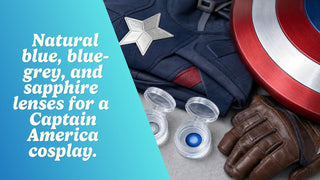
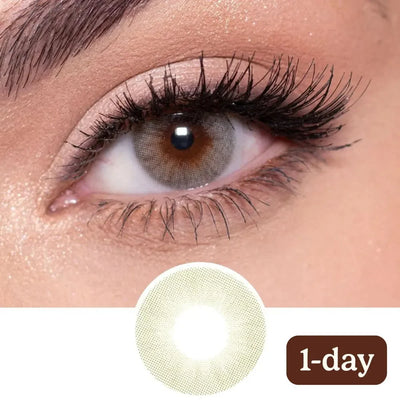
Blue or aqua colored contacts can emphasize his connection to the ocean. Teal and sea-green lenses work well with modern armor, while pale blue-grey can create a more restrained supernatural effect.
An original King of Atlantis costume could use vivid turquoise or lenses with subtle gold details. The color should support the armor rather than competing with its metallic finish.
Consider the lighting at the event. A subtle blue lens may look natural outdoors but disappear under dim convention lighting. A brighter aqua or teal design may remain more visible in photographs.
Insert contacts before applying makeup, body paint, metallic powder, or wig products. This reduces the chance of transferring cosmetic residue onto the lens.
All colored and decorative contact lenses are medical devices, including lenses that do not correct vision. In the United States, they require a prescription and proper fitting. The FDA advises buyers to use sellers that verify prescriptions and to follow the wearing, cleaning, and replacement instructions provided for the lenses.
Never share contacts, expose them to tap water, or sleep in them unless they were prescribed for that type of wear. Remove the lenses and seek professional eye care if you experience persistent redness, pain, discharge, or changes in vision.
Colored contacts are optional. Aquaman remains recognizable through his orange-and-green palette, scale armor, trident, and Atlantean styling.

!-- BLOCK 34 — H2: Aquaman-Inspired Nail Colors and Nail Art -->
Aquaman-Inspired Nail Colors and Nail Art
Aquaman-inspired nails can combine ocean colors with royal metallic finishes.
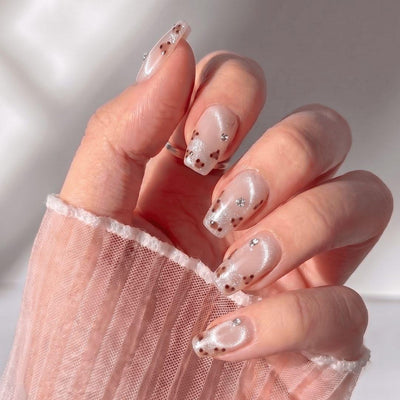
A simple manicure might use metallic gold, emerald green, deep teal, navy, or turquoise. Gold-and-green color blocking will directly reference the classic costume without requiring detailed character artwork.
Scale patterns can be created with nail stencils, stamping plates, magnetic gel, chrome powder, or overlapping semicircle designs. A small trident on one accent nail can make the reference clearer while keeping the complete manicure wearable.
An Atlantean design can incorporate pearl finishes, sea-glass textures, blue-green chrome, gold linework, waves, shells, and geometric royal symbols.
For an armored Aquaman look, try antique gold with darker shading around the edges. This creates more dimension than a flat yellow-gold manicure and can echo the weathering used on the costume.
Short squoval, round, or almond nails will remain practical for holding the trident and adjusting armor. Longer stiletto or sculptural nails can complement a glamorous King of Atlantis interpretation.
Gel nail stickers can make it easier to add scales, tridents, waves, and metallic details without painting every design by hand.

Aquaman Props and Accessories
The trident will usually be enough to complete the costume, but additional accessories can strengthen a royal or cinematic interpretation.
A crown, Atlantean map, ancient scroll, shell-inspired pendant, ceremonial belt, or armored gauntlet can add context. A casual Arthur Curry may carry a small Atlantean artifact, while a King of Atlantis can use a cape or ornate crown.
Transparent blue fabric, ribbon, iridescent plastic, and lightweight thermoplastic can create ocean-like movement around the trident during photographs. Use these materials as stylized water effects rather than suggesting that Aquaman bends water in the same way as characters from other fantasy worlds.
Keep every prop lightweight and manageable. An accessory that is too awkward to carry will likely be abandoned after the first hour of an event.
How to Pose Like Aquaman
Aquaman should look grounded, powerful, and comfortable with authority.
Stand with your feet apart and shoulders open. Hold the trident vertically beside the body for a royal portrait or angle it across the torso for an action pose.
A classic superhero stance can use one hand on the hip with the trident raised in the other. A casual Arthur Curry interpretation may rest the weapon across one shoulder and use a more relaxed expression.
For combat photographs, bend the knees slightly and keep the trident pointed into a clear area. Never swing or thrust a large prop around other attendees.
A King of Atlantis portrayal does not need to look constantly aggressive. A raised chin, direct eye contact, and controlled movement can communicate authority more effectively than shouting or overacting.
Aquaman is powerful, but he also carries the responsibility of representing two worlds. Let the performance feel confident without becoming arrogant.
Aquaman and Mera Costume Ideas
Aquaman and Mera make a natural couples or cosplay-partner costume.
Their color palettes complement each other. Aquaman commonly uses orange, gold, green, and teal, while Mera is closely associated with emerald armor, aquatic textures, and vivid red hair.
The pair can pose as equal protectors and rulers of Atlantis. Coordinated scale patterns, metallic finishes, crowns, and tridents can make the costumes feel like they belong to the same kingdom.
Mera should be treated as a complete hero rather than an accessory to Aquaman. DC describes her as a queen with hydrokinetic powers who protects both land and sea alongside Arthur.
DC and Atlantis Group Costume Ideas
Aquaman can anchor a Justice League group alongside Superman, Batman, Wonder Woman, The Flash, Green Lantern, and other heroes. His bright comic colors or metallic armor will help him stand out in the lineup. Aquaman is one of the heroes historically associated with the Justice League, DC’s team created to face threats too large for one hero alone.
An Atlantis-focused group could include Mera, Atlanna, Ocean Master, Black Manta, Vulko, and other undersea characters.
Black Manta creates an especially strong visual contrast. His dark armor and oversized helmet immediately oppose Aquaman’s royal gold-and-green palette, and DC identifies him as one of Arthur’s greatest enemies.
Another group idea is to feature several different Aquaman interpretations. One cosplayer could wear the classic comic suit, another could build modern armor, and others could portray casual Arthur Curry, the King of Atlantis, or an original Atlantean version.
Making an Aquaman Costume Comfortable
Test the complete costume while sitting, walking, crouching, and raising both arms. Armor that fits while standing still may press against the ribs, neck, or hips once you begin moving.
Foam scales and rigid panels should stop before major joints or connect through flexible sections. Hidden straps must remain accessible in case the armor needs to be removed quickly.
The trident should be light enough to carry in one hand without fatigue. Remain aware of its height around doorways, escalators, displays, and other attendees.
Boot covers should be attached to comfortable, supportive shoes. Avoid building decorative footwear that provides no traction or cushioning.
Wigs, body makeup, temporary tattoos, and adhesives should be tested for heat, transfer, and irritation before the event. Carry a small repair kit containing adhesive, spare straps, safety pins, paint, makeup, and replacement fasteners.
Common Aquaman Costume Mistakes
One common mistake is combining too many Aquaman designs without a clear visual plan. The classic superhero suit, modern armor, and casual Arthur Curry outfit each use different materials and silhouettes.
Choose one primary version and use details from other interpretations only when they support a deliberate original design.
A plain orange shirt and green trousers may need a trident, gold belt, or scale pattern to become recognizable. These additional details prevent the outfit from looking like ordinary color-blocked clothing.
Heavy armor can also become a problem. Thick scales and rigid shoulder pieces may prevent you from lifting the trident or holding a convincing pose. Movement should be tested before the costume is painted and sealed.
The trident should never have narrow, sharpened, or rigid points. A safer prop can still look impressive through shape, paint, engraving, and lighting.
Finally, avoid portraying Aquaman only as a joke about speaking to fish. He is a powerful hero, ruler of Atlantis, Justice League member, and bridge between the surface and the sea.
Final Aquaman Costume Checklist
Before heading to your Halloween party or convention, make sure you have:
- Orange or gold scale-inspired top
- Green, teal, or coordinated lower armor
- Matching gloves, gauntlets, and boots
- Gold or Atlantean belt
- Lightweight convention-safe trident
- Aquaman hairstyle or wig
- Optional beard or temporary facial hair
- Optional blue, teal, or aqua colored contacts
- Aquaman-inspired nail design
- Optional crown, cape, or Atlantean accessory
- Makeup, prop, and costume repair supplies
Take Your Place on the Throne
Aquaman can be adapted to nearly any cosplay skill level.
Beginners can recreate the classic superhero with an orange top, green trousers, gold accessories, and a lightweight trident. Intermediate cosplayers can add scale textures, custom gauntlets, foam armor, boot covers, and a sectional prop.
Advanced creators can construct detailed Atlantean armor, sculpt a royal trident, build flexible scale panels, reproduce a specific comic or cinematic design, or develop an original King of Atlantis transformation.
Colored contacts and ocean-inspired nail art can add another layer of detail, but the most important parts of the transformation remain the aquatic palette, scale textures, trident, and commanding presence.
Once the costume is complete, stand tall, claim the trident, and prepare to protect both Atlantis and the surface world.
Explore More Popular Cosplay Guides
Continue planning your Halloween or convention lineup with our costume guides for Bianca Barclay from Wednesday, Jack Skellington from The Nightmare Before Christmas, Mavis from Hotel Transylvania, Korra from The Legend of Korra, Mojo Jojo from The Powerpuff Girls, and classic ghost characters.
For a complete superhero group, pair Aquaman with Mera, Wonder Woman, Superman, Batman, The Flash, or another member of the Justice League.
Related Reading
- Toy Chica Cosplay Guide: FNAF
- Princess Mera Cosplay Guide
- How Long Can You Wear Cosplay Contacts in a Day?
- How to Find Cosplay Inspo
- Hijikata Toushirou Cosplay Guide


Claim the Trident and Rule Atlantis
Colored contacts and ocean-inspired nail art can add another layer of detail, but the most important parts of the transformation remain the aquatic palette, scale textures, trident, and commanding presence.