



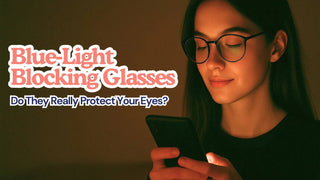
Blue‑Light Blocking Glasses: Do They Really Protect Your Eyes?
Introduction
Whether you’re on your phone, working from home, editing videos, or bingeing your latest K-drama, screens are part of daily life. And with all that screen time comes a familiar downside—eye fatigue, headaches, and trouble sleeping. Enter: blue-light blocking glasses.
These glasses have become a go-to tool for managing digital eye strain, but are they actually effective? And are they worth the hype? In this article, we’re breaking down the science, the benefits, and how you can find a pair that’s both functional and fashion-forward with EyeCandys.
Understanding Blue Light: What Is It and Where Does It Come From?
Blue light is a short-wavelength, high-energy light that’s naturally emitted by the sun and artificially by digital devices—think LED lighting, smartphones, tablets, and computer screens.
It plays a role in keeping us alert and regulating our circadian rhythm (your internal clock), but prolonged exposure—especially at night—has been linked to:
-
Digital eye strain
-
Disrupted sleep cycles
-
Eye fatigue and headaches
-
Decreased melatonin production
Blue-light blocking glasses are designed to filter out some of this artificial exposure, particularly in the range between 400–450 nanometres, where blue light is most intense.
What Is Digital Eye Strain (and Why Should You Care)?
Digital eye strain, sometimes called computer vision syndrome, is a modern condition caused by extended screen use. Symptoms can show up after just 2 hours in front of a screen—especially if you’re switching between devices all day.
Common Symptoms Include:
-
Blurred or double vision
-
Dry, itchy, or watery eyes
-
Burning or stinging sensations
-
Headaches and neck/shoulder pain
-
Increased sensitivity to light
These issues aren’t just annoying—they can affect your productivity, focus, and sleep, especially if you’re a student, remote worker, or content creator.
Do Blue-Light Glasses Actually Work?
Short answer? Yes—when used correctly and consistently. While they won’t eliminate all eye strain or cure sleep issues overnight, blue-light filtering glasses can noticeably reduce symptoms, especially for people with high screen exposure.
What the Research Says
-
A 2021 study found that participants wearing blue-light glasses reported reduced eye fatigue and improved sleep quality.
-
Clinical trials have shown that blue-light lenses may help protect retinal cells from long-term exposure.
-
Some experts believe the most immediate benefit is subjective comfort—a big win for those who rely on screens for work and entertainment.
Who Should Be Wearing Blue-Light Glasses?
You don’t need to be a tech wizard or gamer to benefit from blue-light protection. These glasses are ideal for:
-
Students attending virtual lectures or studying online
-
Remote workers and office professionals in front of screens all day
-
Designers, editors, and digital creatives
-
Gamers and streamers
-
Anyone who scrolls or watches TV before bed
Even if you don’t wear prescription lenses, non-prescription blue-light options are available—and ultra-stylish.
Benefits of Blue-Light Blocking Glasses
Let’s break down the specific benefits you can expect when adding blue-light glasses to your daily routine:
1. Less Eye Fatigue
Filtering out harsh blue light reduces how hard your eyes have to work, meaning less squinting and straining.
2. Better Sleep
Wearing blue-light glasses in the evening may help restore melatonin production, which leads to faster sleep onset and better sleep quality.
3. Fewer Headaches
By reducing screen glare and intensity, some users experience fewer light-triggered headaches or migraines.
4. Better Visual Comfort
Glasses with anti-reflective coatings cut glare and help improve clarity and contrast, making it easier to focus for longer periods.
Tips to Maximise the Benefits
Blue-light glasses are helpful—but they work best alongside healthy screen habits.
Try these habits to protect your eyes even more:
-
20-20-20 Rule: Every 20 minutes, look at something 20 feet away for 20 seconds.
-
Blink More Often: Screens reduce your blink rate, which dries out your eyes.
-
Lower Your Screen Brightness: Adjust your monitor or phone settings to match the ambient light.
-
Use Night Mode: Many devices have a built-in night or warm light setting—use it during evening hours.
-
Add a Humidifier: It helps if you’re working in a dry or air-conditioned environment.
How to Choose Blue-Light Glasses That Fit Your Style
At EyeCandys, we believe that eye protection should never compromise your aesthetic. Our blue-light glasses are lightweight, durable, and stylish, making them perfect for work, study, or scroll sessions.
Style Picks You’ll Love:
Minimalist Clear Frames
Perfect for everyday wear, these frames pair with any outfit and suit most face shapes.
Classic Round Frames
Add vintage charm to your digital protection—great for artistic and academic vibes.
Oversized Squares
Make a bold, editorial statement while giving your eyes a break.
Cat-Eye Frames
Elegant and playful—ideal for creators, content queens, and style-forward professionals.
Available in prescription and non-prescription options, EyeCandys frames are designed to look good and feel good, all day long.
Final Thoughts: Are Blue-Light Glasses Worth It?
If you’re experiencing eye fatigue, trouble sleeping, or just want to stay ahead of screen-related stress, blue-light blocking glasses are a small change with big impact. They don’t replace good screen habits, but they can make long days (and late nights) much more manageable.