
Bigger, Softer, Bolder: Enlarging Lenses vs. Natural Lenses Explained
If you have ever browsed colored contacts and wondered whether to go for enlarging lenses or natural lenses, you are not alone. At first glance, both can look beautiful, wearable, and flattering. But they are designed to create very different effects.
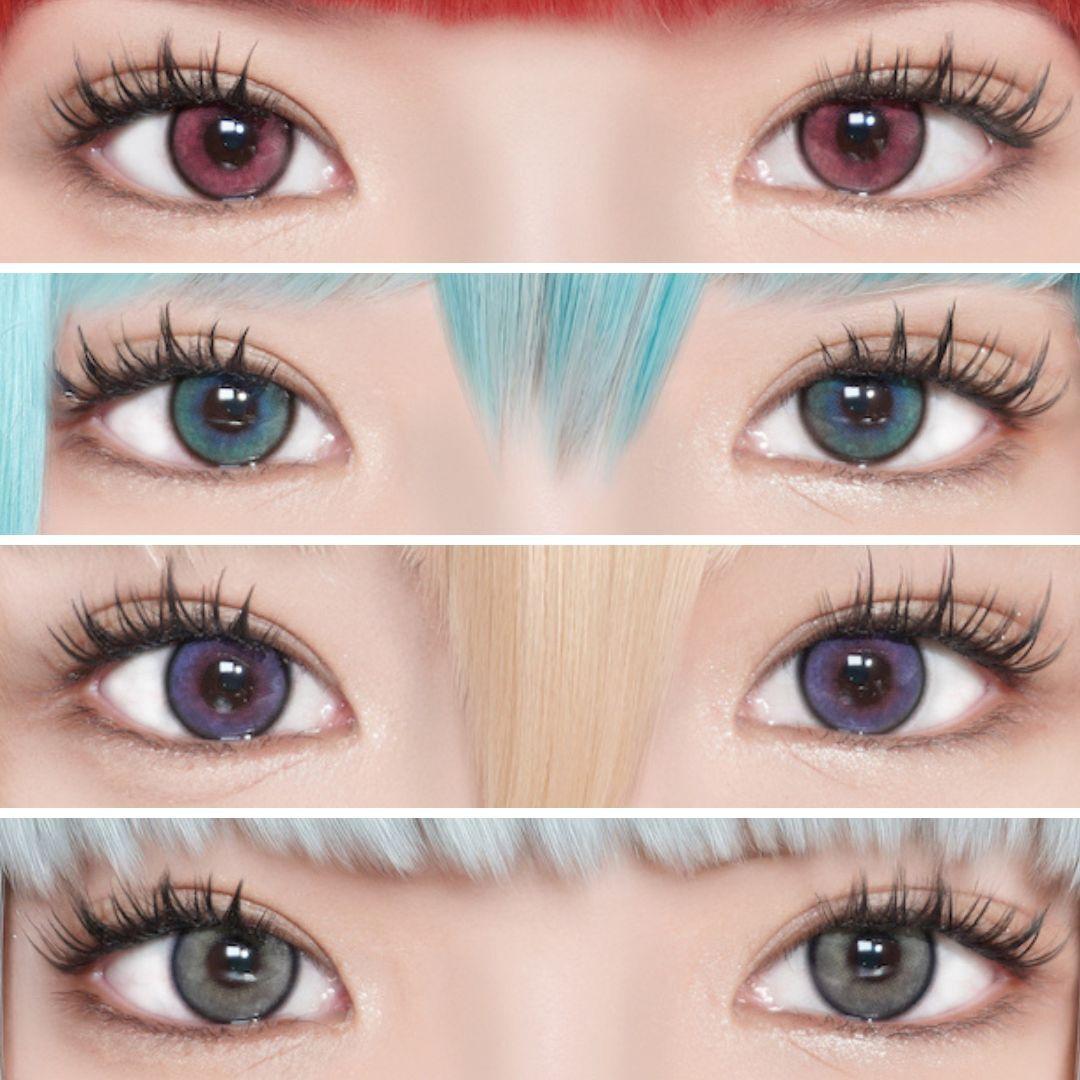
The simplest way to think about it is this: natural lenses are meant to blend in, while enlarging lenses are meant to stand out a little more. Natural styles usually focus on subtle color change, soft dimension, and a realistic finish. Enlarging lenses, often called circle lenses, are designed to make the eyes appear bigger, rounder, and more doll-like by extending the colored area wider than a regular lens. EyeCandys describes circle lenses as larger than regular lenses and says they cover more of the iris to create a bigger, brighter appearance.
That does not mean one is better than the other. It really comes down to the kind of look you want.
What Are Natural Lenses?
Natural lenses are designed to enhance your eyes in a way that feels believable and understated. They usually mimic real eye tones and natural iris patterns, which helps them blend more seamlessly with your features. EyeCandys describes its natural colored contacts as inspired by real human eye shades and made to add richness and depth without appearing artificial.
In practice, that means natural lenses tend to be a good fit if you want:
- a soft everyday change
- a realistic-looking color shift
- something polished but not obviously dramatic
- a lens that works with no-makeup or light-makeup looks
These are the lenses people often choose when they want others to notice that something looks a little extra pretty, but not immediately realize they are wearing colored contacts.
What Are Enlarging Lenses?
Enlarging lenses, often called circle lenses, are about shape as much as color. Their purpose is not only to change or enhance eye color, but also to make the eyes appear larger. EyeCandys notes that circle lenses are larger than regular lenses and cover more of the iris, which creates that bigger, brighter effect.
That is why enlarging lenses tend to create:
- a rounder eye appearance
- a more defined iris
- a sweeter, doll-like, or anime-inspired effect
- a look that reads more visibly styled
Many enlarging lenses also use a darker limbal ring, which is the outer ring around the iris. That extra definition is often what makes the eye look more noticeable, more awake, and more dramatic even if the color itself is soft.
The Biggest Visual Difference
The biggest difference between enlarging lenses and natural lenses is the overall effect they create from a normal conversational distance.
Natural lenses are usually trying to blend. They add dimension, shift the tone of the eye, or brighten the iris without screaming for attention. EyeCandys' natural collection is positioned around subtle transformation rather than an obvious lens look.
Enlarging lenses are more about visible impact. Even when the color is brown, gray, or hazel, the slightly wider design can make the eyes look more stylized. EyeCandys' enlarging collection emphasizes the doll-eye or bigger-eye effect rather than just color enhancement.
So if your goal is "my eyes, but prettier," natural lenses are usually the better match. If your goal is "my eyes, but larger and more animated," enlarging lenses are usually where you want to look.
Which One Looks More Realistic?
In most cases, natural lenses will look more realistic.
That is because they are specifically designed to imitate the variation and softness of real irises. The patterns tend to be more diffused, the tones more believable, and the overall finish more subtle. EyeCandys even markets some of these styles as realistic colored contacts built for seamless blending.
Enlarging lenses can still be pretty and wearable, but realism is not always the main goal. Their slightly oversized effect can make them look more stylized, especially up close or in photos. That is often exactly why people love them. They photograph beautifully and add a little extra fantasy to the face.
Which One Is Better for Everyday Wear?
For most people, natural lenses tend to feel easier for everyday styling.
They pair well with casual makeup, work looks, brunch outfits, and day-to-day beauty routines because they are designed to enhance rather than transform. If you are trying colored contacts for the first time and want something low-pressure, natural styles are often the easier entry point.
Enlarging lenses are still wearable for everyday looks if that is your style, but they tend to feel more intentional. They work especially well when you want your eyes to be part of the overall look, not just a subtle detail.
A good way to think about it is:
Natural Lenses
Your "effortlessly polished" option — great for work, errands, and everyday wear.
Enlarging Lenses
Your "soft glam" or "styled eyes" option — best when the look is intentional.
Which One Is Better for Cosplay or K-Beauty Looks?
This is where enlarging lenses often shine.
Because they make the eyes look wider and more defined, enlarging lenses are especially popular for cosplay, dolly makeup, ulzzang-inspired looks, and beauty styles where bigger, brighter-looking eyes are part of the aesthetic. EyeCandys' doll-eye collection is built around exactly that effect.
Natural lenses can still work for cosplay or character-inspired looks if the goal is realism, softness, or a less exaggerated transformation. But if you are trying to create an eye look that feels more animated or visibly enhanced, enlarging lenses usually make more sense.
How to Choose Between Them
The easiest way to choose is to start with the mood you want.
Go for natural lenses if you want:
- ✓a believable eye color change
- ✓something subtle and easy to wear
- ✓a lens that blends into your everyday beauty look
- ✓a more realistic finish in person
Go for enlarging lenses if you want:
- ✓eyes that look rounder or bigger
- ✓a more visible lens effect
- ✓something extra photogenic
- ✓a softer, doll-like, or cosplay-friendly finish
The decision is less about rules and more about vibe. Some people love having both on hand: natural lenses for everyday beauty and enlarging lenses for days when they want more drama.
A Quick Comfort and Safety Note
Whichever style you choose, colored contacts are still contact lenses. The FDA (U.S. Food and Drug Administration) says decorative lenses are medical devices, even when they do not correct vision, and they should be properly fitted and purchased through legitimate sources that require a prescription.
That means the most important difference is never just how the lenses look. It is also whether they are being worn safely and comfortably.
The Bottom Line
Natural lenses and enlarging lenses are both beautiful, but they are not trying to do the same thing.
Natural lenses are for softness, realism, and subtle enhancement. Enlarging lenses are for a more eye-catching effect that makes the eyes look bigger, rounder, and more defined. EyeCandys' own collections reflect that divide clearly: natural styles focus on believable depth, while circle lenses focus on a larger, brighter-eye look.
If you want a lens that blends into your everyday beauty routine, natural styles are probably your best match. If you want a look that feels sweeter, bolder, or a little more magical, enlarging lenses may be exactly what you are after.
Find Your Look — Natural or Enlarging?
Explore EyeCandys' full range of colored contacts, from seamless everyday naturals to bold circle lenses that make every eye unforgettable. Rated 4.8 stars across 6,900+ reviews.