Your Eyes Deserve the Best: Healthy Habits for Contact Lens Wearers
Contact lenses are a game-changer for millions of people—offering crisp vision, all-day comfort, and style flexibility that glasses simply can’t match. But with all that freedom comes a little bit of responsibility. Wearing lenses safely means taking good care of your eyes every single day.
Whether you’re new to contacts or a long-time wearer, this guide will help you protect your eye health, avoid irritation and infection, and enjoy clear, comfortable vision without compromise.
Because gorgeous eyes? They start with healthy ones.
Practice Proper Lens Hygiene—Every Time
Good lens hygiene isn’t optional. It’s the foundation of healthy lens wear—and skipping steps, even once in a while, can lead to serious eye problems.
Always start by washing your hands thoroughly with soap and water and drying them with a lint-free towel. When removing, cleaning, or inserting your contacts, clean lenses using a fresh, multipurpose solution and gently rub them between your fingers to remove debris—even if you use “no-rub” formulas.
Never rinse your lenses or case with tap water or use saliva (yes, people actually do this). Both can introduce dangerous bacteria. And don’t forget: your lens case needs love too. Clean it daily, let it air dry, and replace it at least every 1–3 months.
Stick to the Wear Schedule Your Eye Doctor Recommends
Each pair of lenses is designed for a specific lifespan—daily, biweekly, or monthly—and it’s important to follow that schedule. Trying to stretch wear time to “save money” can backfire, increasing your risk of infection, discomfort, and dry eyes.
Even lenses that still feel fine can accumulate buildup and lose their breathability over time. If your schedule is unpredictable or you’ve struggled to stay consistent, consider switching to daily disposables. They’re fresh, convenient, and require no cleaning.
Avoid Sleeping in Lenses (Unless Specifically Approved)
One of the most common (and risky) habits among contact lens wearers is falling asleep without taking them out. While there are extended-wear lenses approved for overnight use, most lenses aren’t made to stay in your eyes while you sleep.
When you sleep in contacts, your eyes get significantly less oxygen—creating a perfect environment for bacteria and irritation. Even with FDA-approved overnight lenses, the risk of infection increases. Unless you and your eye doctor have specifically decided it’s safe, always remove your lenses before you sleep—even for naps.
Give Your Eyes a Break
Even the most comfortable lenses can take a toll if worn for too long without rest. Giving your eyes time off from contacts helps reduce dryness, fatigue, and irritation—especially if you work in front of screens all day.
Try wearing glasses in the evening, on weekends, or even for one full day each week. It’s a great way to give your eyes a breather, and a chic pair of frames can be a stylish change-up too.
Choose the Right Eye Drops—And Use Them Wisely
Not all eye drops are contact-friendly. If you experience dryness, reach for preservative-free artificial tears that are safe to use with lenses.
Avoid redness-reducing drops unless directed by your doctor—many contain vasoconstrictors that may worsen irritation over time. When applying drops, gently pull down your lower eyelid and aim for the pocket—this helps avoid displacing your lenses.
Protect Your Eyes from Environmental Stressors
Your surroundings play a big role in how your contacts feel. Dry air from air conditioning, airplanes, or heaters can dehydrate your lenses quickly. Smoke, dust, and pollen can also cling to your lenses, increasing discomfort and risk of inflammation.
If you’re traveling, keep rewetting drops on hand and consider wearing glasses on long flights. In windy or dusty conditions, sunglasses or protective eyewear can help shield your eyes.
Makeup Tips for Contact Lens Wearers
Contact lenses and makeup can go hand in hand—when done correctly.
-
Always insert your lenses before applying makeup.
-
Use oil-free and fragrance-free products to minimize irritation.
-
Avoid tightlining (applying eyeliner to the waterline) as this can introduce pigment and bacteria to the lens surface.
-
Swap powder eyeshadows for cream formulas when possible to reduce fallout.
-
Remove your contacts before taking off your makeup at night.
A little extra care goes a long way in keeping your eyes both glamorous and safe.
Stay Safe On the Go
Life happens outside the bathroom mirror, and you won’t always be home when your lenses start to feel off. Carry a small contact lens emergency kit with a spare case, travel-size solution, and your glasses.
If your lenses are bothering you and you can’t rinse or remove them, don’t try to power through—your eyes aren’t worth the risk.
And when you’re traveling, especially to dry or dusty climates, up your lens care game. Change solution daily, skip lens reuse, and take extra care of hydration.
Feed Your Eyes from the Inside Out
A nutrient-rich diet supports your eyes as much as your skin or hair. Load up on foods that support eye health, especially if you wear lenses regularly:
-
Vitamin A: found in carrots, sweet potatoes, and leafy greens.
-
Omega-3 fatty acids: in fatty fish like salmon and sardines.
-
Lutein and zeaxanthin: in spinach, kale, and corn.
-
Vitamin C and E: in citrus, almonds, and bell peppers.
Hydration also matters. Drinking enough water each day keeps your tear film balanced and your lenses more comfortable.
Watch for Warning Signs
Sometimes your eyes are trying to tell you something—and it's important to listen. If you notice any of the following symptoms, remove your lenses immediately and contact your eye care provider:
-
Redness
-
Pain or discomfort
-
Blurry or foggy vision
-
Discharge
-
Light sensitivity
Don’t wait it out or assume it’s “just dry eyes.” These could be early signs of infection or other complications.
Get Regular Eye Exams—Even If Your Vision Feels Fine
Even if your prescription hasn’t changed, an annual eye exam ensures your eyes are healthy and your lenses still fit correctly. Eye doctors can detect issues like inflammation, lens-related dryness, or subtle corneal changes before they become problems.
Your lenses are only as safe as the eyes they sit on—so keep those check-ins on the calendar.
Bonus: Choose Lenses That Prioritize Comfort and Breathability
Not all contact lenses are created equal. Materials like silicone hydrogel allow more oxygen to reach your eyes, keeping them healthier and less prone to irritation.
At EyeCandys, we offer high-quality, high-moisture lenses in a wide range of styles and prescription options—so you can look great and feel great, too.
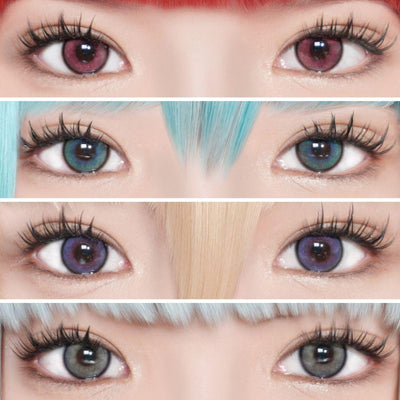
Explore our breathable lenses for everyday wear or change up your look with stylish color contacts (just remember to wear them safely!).
Myth-Busting: Quick Facts to Keep Your Eyes Safe
Let’s clear up a few common misconceptions about contact lenses:
-
“I can reuse daily lenses once or twice.”
False. Daily lenses are meant for one-time use only. Reusing them increases the risk of infection.
-
“Sleeping in lenses once in a while isn’t a big deal.”
False. Even one night can lead to complications, especially with lenses not made for overnight wear.
-
“If my eyes are red, I just need to use drops.”
Not always. Redness could be a sign of something serious—don’t ignore it.
Conclusion: Healthy Eyes, Happy You
Keeping your eyes healthy while wearing contact lenses doesn’t have to be complicated. It’s about creating consistent habits, staying informed, and knowing when to give your eyes a break.
With proper care, the right products, and regular check-ins with your eye doctor, you can enjoy the freedom of contacts without sacrificing your comfort or vision.
Ready to upgrade your lens routine? Shop breathable, stylish lenses and trusted lens care at EyeCandys.com. Your eyes will thank you.