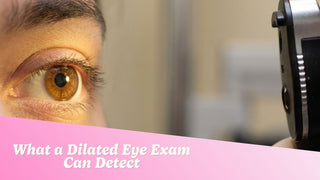




Should You Get Your Eyes Dilated?
Introduction
You’re sitting in the optometrist’s chair, and the question lands: “Would you like your eyes dilated today?” If you’ve never experienced eye dilation, it can feel a bit mysterious—and maybe even unnecessary. Yet dilation is one of the cornerstones of a truly comprehensive eye exam. In this guide, we’ll walk you through exactly what dilation entails, why it matters for your eye health, who benefits most, temporary side effects, modern alternatives, and practical tips to make the experience smoother.
What Really Happens During Dilation
When your eye doctor dilates your pupils, they use specialized eye drops (often tropicamide or phenylephrine) to temporarily widen your pupils. Normally, pupils constrict in bright light to shield the delicate retina. By dilating them, your eye care professional gets a clear, unobstructed view of:
-
Retina: The light-sensitive layer at the back of your eye
-
Optic nerve: The pathway transmitting visual information to your brain
-
Blood vessels: Indicators of systemic health (think hypertension or diabetes)
Within 20–30 minutes after the drops, you may notice:
-
Blurred near vision (reading or phone use gets tricky)
-
Heightened light sensitivity (your eyes feel extra bright)
-
A subtle “glassy” sheen to your eyes
These effects typically ease off in 4–6 hours, though if you have light-colored eyes, you might feel them for a bit longer.
Pro Tip: Bring a pair of sunglasses or ask if your office has a pair you can borrow. They’ll make that post-dilation brightness much more comfortable!
Why Dilation Matters More Than You Think
A standard eye check—reading letters off a chart, checking glasses prescription—only scratches the surface. Dilation dives deep, helping your doctor detect early signs of serious conditions such as:
-
Diabetic retinopathy: Damage to retinal blood vessels from high blood sugar
-
Age-related macular degeneration (AMD): The leading cause of vision loss in older adults
-
Glaucoma: Increased pressure harming the optic nerve, often with no early symptoms
-
Retinal tears/detachments: Vision-threatening emergencies that require prompt treatment
-
Hypertensive retinopathy: Signs of high blood pressure visible in eye vessels
Why early detection wins: Many of these diseases begin without any noticeable symptoms. Catching them early means intervention can prevent—or at least slow—permanent vision loss.
Who Stands to Gain the Most from Dilation
While everyone can benefit from a dilated exam every few years, it’s especially important if you:
-
Have diabetes or high blood pressure
-
Carry a family history of glaucoma, retinal disorders, or AMD
-
Are 60 years or older, when risk rises
-
Have high myopia (severe nearsightedness increases retinal tear risk)
-
Notice new floaters, flashes, or any sudden changes in vision
Plus: Children and teens sometimes receive dilation to uncover issues like amblyopia (lazy eye) or significant refractive errors that can impact learning and development.
Managing the Temporary Downsides
Yes, dilation comes with a few short-lived inconveniences—but you can plan around them:
-
Light Sensitivity: Pop on sunglasses, avoid direct sun, and dim your phone screen.
-
Blurred Near Vision: Switch to a larger-print book or audiobook, or bring along magnifying reading glasses.
-
Driving Caution: If you feel unsafe behind the wheel, arrange a ride-share, ask a friend, or use public transit.
Quick Reminder: These side effects are temporary—think of them as a small trade-off for a deep dive into your eye health!
Modern Imaging vs. Full Dilation
Technology has given us ultra-widefield retinal cameras (like Optomap), which can snap detailed images of up to 200 degrees of your retina—often without drops. But keep in mind:
-
Coverage gaps: Some subtle lesions hide in the far periphery that imaging might miss.
-
Risk-based advice: Even if you opt for an imaging session, your doctor may still recommend dilation if you’re high-risk or symptomatic.
Callout: Think of imaging as a powerful complement, not a full replacement, for dilation—especially if you have known risk factors.
Frequently Asked Questions About PD
Rather than tacking on a separate FAQ, here’s how those common questions fit into your plan:
"Can I refuse dilation?"
Absolutely. But if you do, your doctor may ask you to schedule a dedicated dilated-eye session later, ensuring nothing is overlooked.
"How often?"
-
Low-risk adults: Every 1–2 years
-
High-risk adults (diabetes, family history, etc.): Annually—or as directed
“Contacts after dilation?”
Your vision—and comfort—should return to normal before popping lenses back in. Bring glasses just in case your prescription feels off while the drops wear off.
Conclusion
So, should you say “yes” to dilation? In most cases—especially if you have any risk factors or it’s been a while since your last comprehensive exam—the answer is a resounding yes. The short-term blur and brightness pale in comparison to the peace of mind gained by catching silent diseases before they steal your vision.
When you book your next exam, plan ahead:
-
Bring sunglasses for comfort.
-
Schedule light activities afterward (no marathon reading sessions!).
-
Use your recovery time to explore EyeCandys’ hydration drops or soothing gel masks—your eyes will thank you for the extra TLC.
Protect your precious vision today—and enjoy the world in vivid, undilated color tomorrow!