Weak nails can be frustrating, especially when they peel, split, bend, snag, or break right when you are trying to grow them out.
The good news is that stronger nails usually come from small, consistent habits, not one miracle product. A better nail care routine can help your nails look and feel healthier over time, especially if your nails are dry, brittle, over-filed, or recovering from gel, acrylic, dip powder, or harsh removal.
That said, nails grow slowly. Strengthening your nails takes patience, protection, and a little bit of everyday care. It also means paying attention to the habits that may be making your nails weaker in the first place.
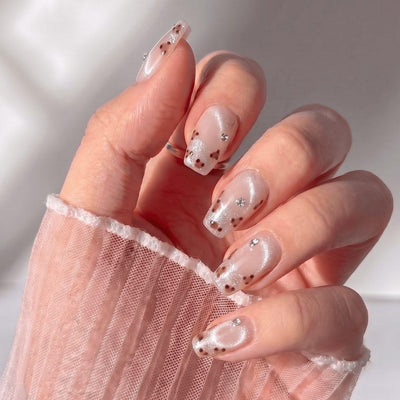
If you still want a polished manicure while being more mindful of your natural nails, EyeCandys handmade press-on nails can be a helpful styling option when they are applied correctly, removed gently, and worn on nails that are healthy enough for application.
Here is how to strengthen your nails with a simple, realistic nail care routine.
Why Do Nails Feel Weak or Brittle?
Nails can feel weak, brittle, or bendy for several reasons.
Sometimes it is dryness. Nails that are constantly exposed to water, soap, hand sanitizer, cleaning products, or dry air can become more likely to split or peel. Other times, the issue comes from everyday habits, like using your nails to open cans, scrape labels, pick at packaging, or peel off polish.
Manicure habits can also play a role. Over-buffing, aggressive filing, picking off gel polish, prying off acrylics, peeling dip powder, or removing enhancements too harshly can leave the natural nail feeling thin and rough.
Weak nails can also happen after nail biting, repeated polish changes, or wearing long nails that keep snagging and breaking.
And while many nail issues are related to everyday wear and tear, some nail changes can be connected to health conditions, medications, nutrition, infections, or skin concerns. Changes in nail color, shape, texture, pain, or separation from the nail bed should not be ignored.
Strength Starts With Moisture
When people think about strong nails, they often think nails should be hard. But healthy nails also need flexibility. Nails that are too dry can become brittle, which makes them more likely to crack, split, or peel.
Moisture helps support that flexibility.
One of the easiest ways to strengthen your nail routine is to moisturize your hands, nails, and cuticles consistently. After washing your hands, apply hand cream and make sure you massage a little into the nail area too. At night, use a cuticle oil, balm, or rich moisturizer around the cuticle and nail plate.
This is especially helpful if you wash your hands often, use sanitizer, live in a dry climate, or notice your nails peeling at the tips.
A good way to think about it: your nail care does not stop at polish. The skin around your nails, your cuticles, and the nail plate itself all benefit from regular moisture.

Keep Nails Short While They Recover
If your nails are peeling, splitting, bending, or breaking easily, length can work against you.
Longer nails are more likely to snag, bend, hit surfaces, and break at the edges. Keeping nails shorter while they recover can reduce stress on the nail and help prevent small splits from turning into bigger breaks.
A short rounded or soft square shape is usually easiest to maintain while your nails are weak. These shapes are less likely to catch on hair, fabric, or bags, and they still look clean and polished.
This does not mean you can never have long nails again. It just means that while your natural nails are recovering, shorter lengths can give them a better chance to grow out without constant breakage.
File Gently and Avoid Over-Buffing
Filing should shape the nail, not weaken it.
If your nails are already brittle, be gentle with your file. Smooth rough edges before they catch and peel, but avoid sawing aggressively back and forth or filing too deeply into the sides of the nail.
Buffing can also be tricky. A little light buffing may smooth the surface, but over-buffing can thin the nail plate and make nails feel weaker over time. If your nails already feel bendy, sore, or thin, skip heavy buffing and focus on gentle shaping instead.
The goal is to smooth and shape, not remove layers of nail.
Stop Using Your Nails as Tools
This is one of the simplest nail-strengthening habits, but it is also one of the easiest to forget.
Your nails are not tools. Using them to open soda cans, scrape stickers, peel labels, pick at packaging, pry things open, or scratch hard surfaces can create tiny splits and stress points. Over time, those little moments can lead to peeling, cracks, and breaks.
Try using the side of your finger, a proper tool, or scissors instead. It sounds small, but this habit can make a big difference if your nails are constantly breaking at the tips.
A helpful rule: if you would not use a manicure tool for it, try not to use your nails for it.
Protect Nails From Water and Cleaning Products
Water can be surprisingly hard on weak nails. Repeated or prolonged contact with water can contribute to splitting, especially when paired with soap, cleaning products, or harsh chemicals.
This does not mean you need to avoid washing your hands. It just means your nails may need extra protection during dishes, cleaning, gardening, or anything that keeps your hands wet for a long time.
Wearing cotton-lined rubber gloves while washing dishes, cleaning, or using harsh cleaning products can help protect both your nails and skin. Moisturizing afterward also helps replace some of what water and soap can strip away.
If your nails get soft or peel after showers, dishes, or frequent handwashing, water exposure may be part of the problem.
Be Careful With Gel, Acrylic, and Dip Removal
Many people say gel, acrylic, or dip powder “ruined” their nails, but a lot of the damage actually happens during removal.
Picking, peeling, prying, scraping, and over-filing can all remove layers of the natural nail. That can leave nails feeling thin, rough, sore, or bendy.
If gel polish starts lifting, do not peel it off. If acrylics feel loose, do not pry them away. If dip powder is not coming off easily, do not force it. Products that are meant to soak off need time, and some enhancements need professional removal.
Safe removal may not feel as satisfying as peeling, but it is much better for your nails long term.
Give Nails Breaks When They Feel Thin or Sensitive
A nail break does not have to mean bare nails forever. It means choosing gentler options while your natural nails grow out.
If your nails feel sore, thin, bendy, hot, sensitive, or damaged after a manicure, give them time before applying another heavy enhancement. Keep them short, moisturized, and protected. Avoid aggressive filing or repeated removal until they feel stronger.
You can still keep your hands looking polished during a recovery period. A sheer polish, a strengthening treatment, or gently applied press-ons may be options depending on the condition of your nails.
The key is not to cover up a problem that needs attention. If your nails are painful, irritated, lifting, bleeding, infected, or severely damaged, skip cosmetic products and give them time to recover or check with a professional.
Choose Nail Products Carefully
Nail products can help, but not every “strengthening” product is right for every nail.
Some nail hardeners may help weak or brittle nails, but formulas that make the nail too rigid can sometimes make nails more prone to snapping. Some ingredients may also irritate the skin around the nails, especially if you are sensitive.
If a product burns, stings, causes redness, or makes your nails feel worse, stop using it. Stronger nails should not come at the cost of irritated skin or painful nail beds.
It is also helpful to avoid layering too many products at once. If your nails are struggling, keep your routine simple: gentle shaping, regular moisture, protection from water and cleaning products, and careful manicure removal.
What About Biotin or Supplements?
Biotin is often mentioned for weak or brittle nails. Some research suggests biotin may help strengthen weak or brittle nails, but it is not a quick fix and not everyone needs it.
Before starting supplements, it is best to talk with a healthcare professional, especially if you are pregnant, taking medication, managing a health condition, or already taking other vitamins.
Nail health can be connected to overall health, but supplements are not a substitute for a balanced diet, gentle nail care, or professional advice when nail changes are sudden, painful, or unusual.
Can Press-On Nails Help Protect Weak Nails?
Press-on nails do not “heal” weak nails, but they can be a helpful styling option when used properly.
A press-on nail can create a temporary protective layer over the natural nail, which may help reduce everyday wear and tear. Press-ons can also help some people pause habits like nail biting or picking because the natural nail is covered.
They are also a great option if you want a polished manicure without repeated gel curing, dip removal, or acrylic maintenance.
The most important thing is proper use. Do not apply press-ons over irritated, painful, infected, lifting, bleeding, or severely damaged nails. If your nails need a true break, let them rest.
Adhesive choice matters too. Sticky tabs may be a gentler option than heavy glue when lower-commitment wear or easier removal is the goal. EyeCandys handmade press-ons paired with sticky tabs can give you a polished look without UV curing, dry time, or a harsh removal routine when applied and removed correctly.

How to Remove Press-Ons Without Weakening Nails
Removal matters just as much as application.
Never rip press-ons off from the tip. That can pull at the natural nail and cause peeling or soreness. Instead, soak your nails in warm, soapy water until the adhesive begins to loosen. Then use a cuticle stick to gently lift from the side, working slowly and carefully.
If the nail does not lift easily, soak longer. Forcing it off can undo all the careful work you are doing to strengthen your nails.
After removal, clean away adhesive residue gently, moisturize your hands and cuticles, and let your press-ons dry fully before storing them if they are reusable.
A Simple Nail Strengthening Routine
A good nail strengthening routine does not need to be complicated.
During the day, moisturize after washing your hands and avoid using your nails as tools. If your hands are going to be in water for a long time, wear gloves when you can.
At night, apply cuticle oil or a rich hand cream around the nail area. This helps support moisture while your hands are resting.
Once a week, check your nails for rough edges, peeling, or snags. File gently to smooth the tips and keep nails short if they are still breaking easily.
When choosing manicures, think about the condition of your nails first. If they feel healthy, you may have more options. If they feel thin, sore, or fragile, choose lower-commitment styles, gentle removal, and extra care.
Consistency matters more than perfection.
When to See a Professional
Most weak nails improve with time and gentle care, but some nail changes should be checked.
See a professional if your nails are painful, lifting, changing color, thickening, crumbling, bleeding, swelling, separating from the nail bed, or changing suddenly. You should also get help if the skin around the nail is red, tender, irritated, or not healing.
Changes in nail texture, color, soreness, and skin changes around or under the nail can be signs that something more than everyday brittleness is going on.
When in doubt, it is better to pause cosmetic nail products and get guidance before applying anything else.
Final Takeaway: Stronger Nails Come From Consistent Care
Stronger nails do not happen overnight. They come from gentle, consistent care: moisture, protection, safe removal, shorter lengths while recovering, and fewer habits that stress the nail.
Keep your nails hydrated. File gently. Protect them from long water exposure and harsh cleaning products. Stop picking, peeling, and using your nails as tools. Be careful with removal, whether you are wearing gel, acrylic, dip powder, polish, or press-ons.
With EyeCandys handmade press-on nails, you can still enjoy a polished manicure while being more mindful of your natural nails. Choose the right fit, apply gently, remove slowly, and store your favorite sets for future wear.
For more nail tips and tricks, check out the EyeCandys blog for guides on removing press-ons, making press-ons last longer, choosing nail shapes, and building your press-on nail wardrobe.
Related Reading
- Sticky Tabs vs. Nail Glue for Press-On Nails
- Spring Nail Refresh: Pastel Hues and Floral Accents
- How to Choose the Best Press-On Nails for Your Lifestyle
- Press-On Nails for Hands-On Jobs
- How to Apply Press-On Nails


A Polished Look While Your Nails Recover
With EyeCandys handmade press-on nails, you can still enjoy a polished manicure while being more mindful of your natural nails. Choose the right fit, apply gently, remove slowly, and store your favorite sets for future wear.