
Nail biting is more common than people think, and it is not always as simple as “just stop.” For many people, biting or picking at their nails happens without much thought. It can show up during stress, boredom, deep focus, anxious moments, long workdays, study sessions, or even while watching TV.
If you are trying to stop biting your nails, you may have already tried keeping them short, using bitter polish, applying cuticle oil, wearing bandages, or simply reminding yourself not to do it. Some strategies work for a while, then the habit comes back. That can feel frustrating, especially if you want your hands to look polished but your natural nails are still growing out.
Press-on nails are not a cure for nail biting. They will not magically stop the habit on their own, and they are not a replacement for support if nail biting is connected to anxiety, ADHD, body-focused repetitive behaviors, or another deeper concern. But for some people, press-ons may help create a physical barrier, make biting less automatic, and give you a moment to pause before your hands go to your mouth.
They can also help you feel more confident while your natural nails grow underneath.
Why Nail Biting Is So Common
Nail biting can be a habit, a stress response, a fidget behavior, or something people do without realizing it. Cleveland Clinic describes nail biting as one of several body-focused repetitive behaviors, a group of self-grooming behaviors that can be hard to stop and may happen without full awareness. (Cleveland Clinic)
For some people, nail biting is occasional. For others, it becomes more persistent and can leave nails short, rough, tender, or uneven. The American Academy of Dermatology notes that nail biting can damage fingers and nails, and recommends strategies such as identifying triggers, keeping nails short, and getting regular manicures to help reduce the urge. (American Academy of Dermatology)
Common nail-biting triggers can include:
- Stress
- Anxiety
- Boredom
- Studying or working
- Watching TV
- Sitting in traffic
- Perfectionism around rough edges or hangnails
- Dry cuticles
- Fidgeting
- Unconscious habit loops
The important thing to remember is that nail biting is not a character flaw. It is a habit many people struggle with, and breaking it often takes a mix of awareness, replacement behaviors, and practical barriers.
How Press-On Nails May Help Create a Pause
Press-on nails may help because they create a barrier between your teeth and your natural nails. That barrier can make the habit less automatic.
Instead of immediately biting your natural nail, you feel the press-on first. That extra second can be enough to notice what you are doing and choose a different action, like putting your hands down, applying cuticle oil, grabbing a fidget, sipping water, or taking a breath.
A press-on manicure may support your routine by helping you:
- Notice when your hands move toward your mouth
- Reduce direct access to the natural nail
- Protect the nail edge while it grows
- Feel more motivated to keep nails looking nice
- Replace biting with nail care habits
- Build confidence while natural nails recover
This is not about perfection. If you are trying to stop biting, the goal is not to never have an urge again. The goal is to create more moments where you can pause, notice the urge, and choose something else.
Why Feeling Good About Your Hands Matters
Nail biting can affect confidence. When nails are short, uneven, bitten, or surrounded by dry cuticles, you may find yourself hiding your hands in photos, avoiding bright polish, or feeling self-conscious at work, school, dates, events, or social plans.
Press-on nails may help bridge that confidence gap while your natural nails grow out. Instead of waiting weeks or months to feel polished, you can apply a set that gives your hands a finished look now.
That confidence can matter. If your hands look cared for, you may feel more motivated to protect the manicure, moisturize your cuticles, and avoid picking at rough edges.
This is where EyeCandys handmade press-on nails can fit into a gentle beauty routine. They are designed to give you a polished look at home without needing a salon appointment, UV curing, or long dry time.
Start With Short Press-On Nails
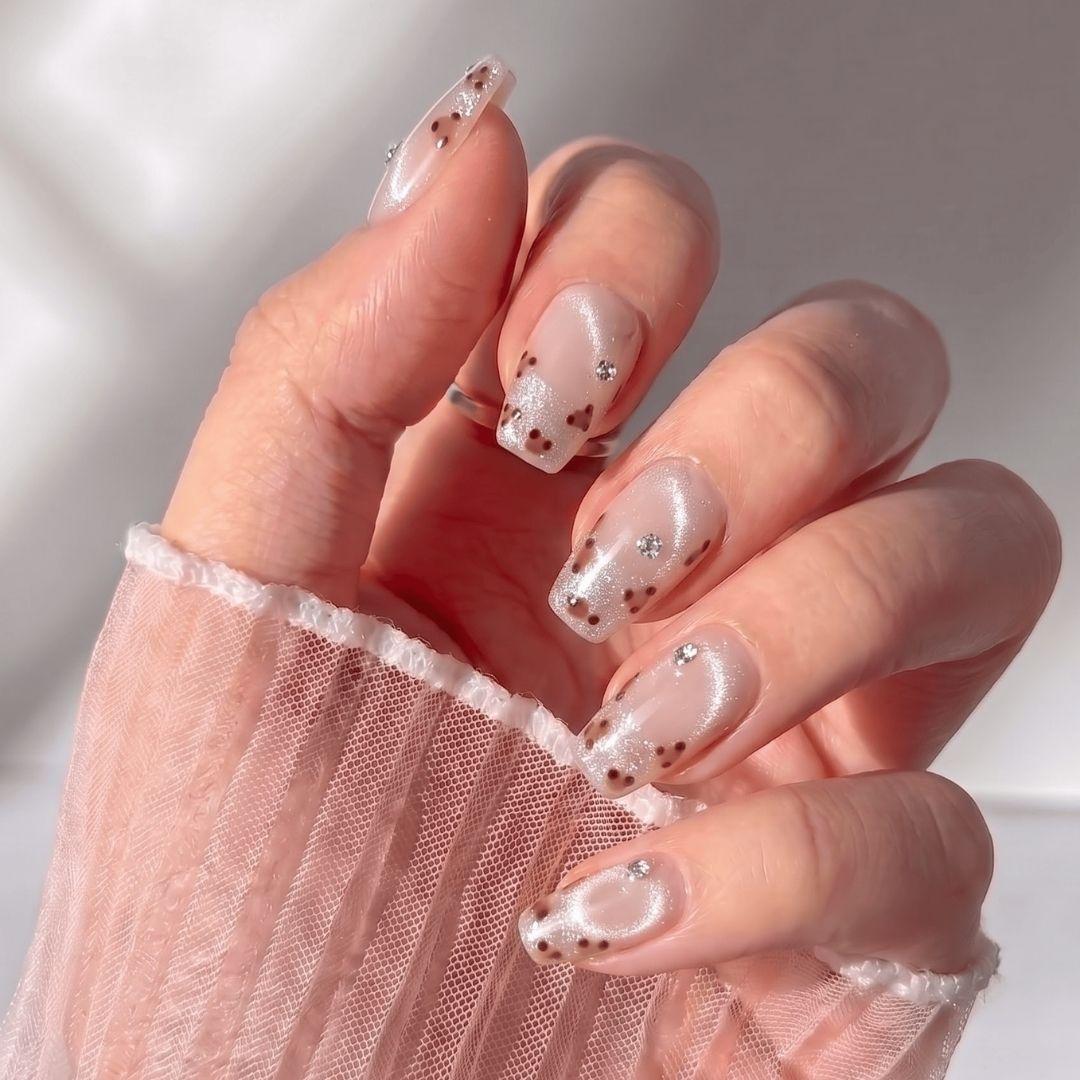
If you are a nail biter, short press-on styles are usually the best place to start.
Long nails can be beautiful, but they may feel distracting or difficult if you are not used to wearing nails. If your natural nails are very short, a dramatic length can also feel like too much too soon.
Short press-ons give you the polished look without making everyday tasks feel harder. They are easier to type with, easier to text with, easier to sleep in, and usually more comfortable for beginners.
Good shapes for nail biters include:
- Short round
- Short square
- Soft square
- Short almond
- Natural oval
Good colors and styles include:
- Nude
- Sheer pink
- Milky white
- French tips
- Soft blush
- Neutral shimmer
- Minimal designs
- Short glossy colors
A shorter set can still feel pretty, stylish, and intentional. You do not need long nails for the manicure to “count.”
Choose Styles That Feel Protective, Not Stressful
If your goal is to reduce biting or picking, choose a set that feels easy to wear. A manicure that makes you anxious, uncomfortable, or overly aware of your hands may not be the best choice for this stage.
For a first set, avoid anything that feels too long, too sharp, too heavy, or too difficult to use in daily life. Instead, choose nails that help you feel polished and comfortable.
A good beginner-friendly press-on set should feel:
- Lightweight
- Smooth at the edges
- Comfortable near the cuticle
- Easy to type and text with
- Short enough for daily tasks
- Secure without feeling tight
- Simple enough that you are not constantly checking it
EyeCandys press-on nails are hand-buffed with rounded edges, which the product guide describes as designed to feel smoother around lenses and skin. That can be especially helpful for customers who also wear colored contacts or do detailed beauty routines.
Use Gentle Adhesive Options When Appropriate
If you bite your nails, pick at your cuticles, or have sensitive skin, adhesive choice matters. You want your press-on routine to feel supportive, not irritating.
Sticky tabs are often a good place to start because they are generally easier to apply and remove than traditional nail glue. They are also helpful if you want to try press-ons for a shorter period before committing to longer wear.
EyeCandys press-on nail sets include regular sticky tabs designed for around 3 days or single-event wear. For longer wear, EyeCandys’ Insanely Sticky Tabs are described as high-adhesion, waterproof tabs designed for up to 10 days of hold, with an ultra-thin fit and damage-free removal.
If you have sensitivities, eczema, contact dermatitis, irritated cuticles, or a known allergy to nail products, be cautious. EyeCandys’ application guidance specifically notes not to use nail glue if you have an acrylate allergy.
For sensitive hands, consider:
- Starting with sticky tabs instead of glue
- Choosing short styles
- Avoiding application over irritated skin
- Removing gently
- Taking breaks between sets
- Watching for redness, itching, burning, swelling, or discomfort
If you have a history of allergic reactions to nail products, check with a dermatologist or healthcare professional before trying something new.
Prep Your Natural Nails Carefully
Good prep can help your press-ons stay secure, but it should still be gentle. If your nails are short, thin, peeling, or recovering from biting, avoid aggressive buffing or filing.
EyeCandys recommends lightly buffing the nails, pushing cuticles back with the cuticle stick, wiping each nail with the alcohol pad, and letting the nails dry completely before application.
For nail biters, prep should be simple:
- Wash and dry your hands
- Gently clean under and around nails
- Lightly file rough edges
- Carefully clip hangnails instead of pulling them
- Push cuticles back gently if comfortable
- Lightly buff only if your nails can tolerate it
- Wipe nails clean before applying adhesive
Do not apply press-ons over broken skin, bleeding cuticles, painful cracks, or irritated areas. Press-ons work best when your nail area is calm and healthy enough for application.
Pair Press-Ons With Replacement Habits
Press-ons may help create a pause, but they work best as part of a larger routine.
The American Academy of Dermatology recommends identifying nail-biting triggers and gradually stopping the habit one finger at a time. It also notes that some people benefit from professional support if they have repeatedly tried to quit and the problem persists. (American Academy of Dermatology)
You can pair press-ons with other habit-support tools, such as:
- Keeping a fidget nearby
- Applying cuticle oil when you feel the urge to bite
- Using hand cream after washing
- Holding a pen, stress ball, or hair tie
- Keeping nails short between sets
- Covering one nail at a time if needed
- Tracking when the urge happens
- Noticing whether stress, boredom, or focus triggers biting
Cleveland Clinic notes that habit reversal training may help reduce behaviors like nail biting by replacing an unwanted behavior with another action. (Cleveland Clinic)
Press-ons can be one piece of that replacement routine. They may help you notice the habit, but the replacement behavior is what gives you something else to do.
Why Safe Removal Matters
Safe removal is especially important if your natural nails are already short, thin, bitten, or recovering. Pulling off press-ons can damage the nail surface and make the recovery process harder.
Never rip, peel, or pry press-ons off. If a nail is still attached, it needs more soaking.
EyeCandys’ removal guidance recommends soaking nails in warm, soapy water for 10 to 15 minutes, gently lifting the side edges with a cuticle stick, working inward slowly, and never prying from the tip. After removal, leftover residue can be wiped with an alcohol pad, and the press-ons can be stored in the display box for reuse.
Safe removal steps include:
- Soak in warm, soapy water
- Wait until the adhesive softens
- Lift gently from the side edge
- Work inward slowly
- Soak longer if needed
- Never pull from the tip
- Never force a nail off
- Moisturize after removal
After removing press-ons, apply cuticle oil and hand cream. If your nails feel sensitive, wait before applying another set.
When to Avoid Press-On Nails
Press-on nails can be a helpful beauty tool, but they are not right for every situation. If your nails or skin are irritated, it is better to wait.
Avoid press-ons if you have:
- Open skin around the nail
- Bleeding cuticles
- Painful cracks
- Swelling
- Pus or signs of infection
- Severe redness
- Active eczema flare-ups around the nails
- Burning, itching, or irritation from previous nail products
- A nail lifting from the nail bed
- Nails that are extremely thin or painful
If you bite your nails and develop signs of a skin or nail infection, the American Academy of Dermatology recommends seeing a board-certified dermatologist. (American Academy of Dermatology)
It is always better to let the area heal first than to cover a problem with a manicure.
Can Press-Ons Help Your Natural Nails Grow?
Press-ons do not make nails grow faster. Nail growth happens at its own pace.
What press-ons may do is help protect the nail edge, reduce direct biting access, and make you more aware of the habit. For some people, that may support the process of growing nails out.
Think of press-ons as a temporary barrier and confidence tool, not a growth treatment.
They may help by:
- Covering short or uneven nails
- Making biting less automatic
- Protecting the free edge as it grows
- Helping hands look polished sooner
- Supporting a nail-care routine
- Encouraging gentle removal and aftercare
If nail biting is severe, painful, or tied to stress or anxiety that feels hard to manage, consider getting support. Nail biting can sometimes be part of a broader body-focused repetitive behavior pattern, and support from a dermatologist, therapist, or healthcare professional may be helpful. (Cleveland Clinic)
How to Make Press-Ons Feel More Comfortable
If you are new to press-ons, give yourself time to adjust. Even short nails can feel different at first if you are used to bitten nails or bare fingertips.
To make the transition easier:
- Start with a short set
- Choose rounded or soft square shapes
- Apply them when you have a low-pressure day
- Avoid very long or sharp styles at first
- Keep a cuticle stick and extra tabs nearby
- Do not constantly test the edges
- Remove gently if something feels painful
A good press-on set should feel secure, not uncomfortable. If a nail pinches, pulls, burns, or hurts, remove it gently and give your nail a break.
A Gentle Routine for Nail Biters Trying Press-Ons
A simple routine can help press-ons feel more supportive.
Before applying:
- Trim any uneven edges
- Clip hangnails carefully
- Wash and dry hands
- Gently push back cuticles
- Lightly buff only if comfortable
- Wipe nails clean
- Choose a short, comfortable set
While wearing:
- Notice urges to bite or pick
- Use cuticle oil as a replacement habit
- Keep hands moisturized
- Use a fidget if needed
- Avoid picking at the press-on edges
- Do not use nails as tools
After removal:
- Soak gently
- Lift from the side
- Moisturize nails and cuticles
- Store reusable nails properly
- Give nails a break if they feel sensitive
This routine keeps the focus on care, not pressure. Progress can be gradual.
Why EyeCandys Press-On Nails Can Be a Good Fit
EyeCandys handmade press-on nails can be a good option for people who want a polished manicure without a salon appointment. They are reusable when cared for properly, available with sticky tab options, and designed to be applied and removed at home.
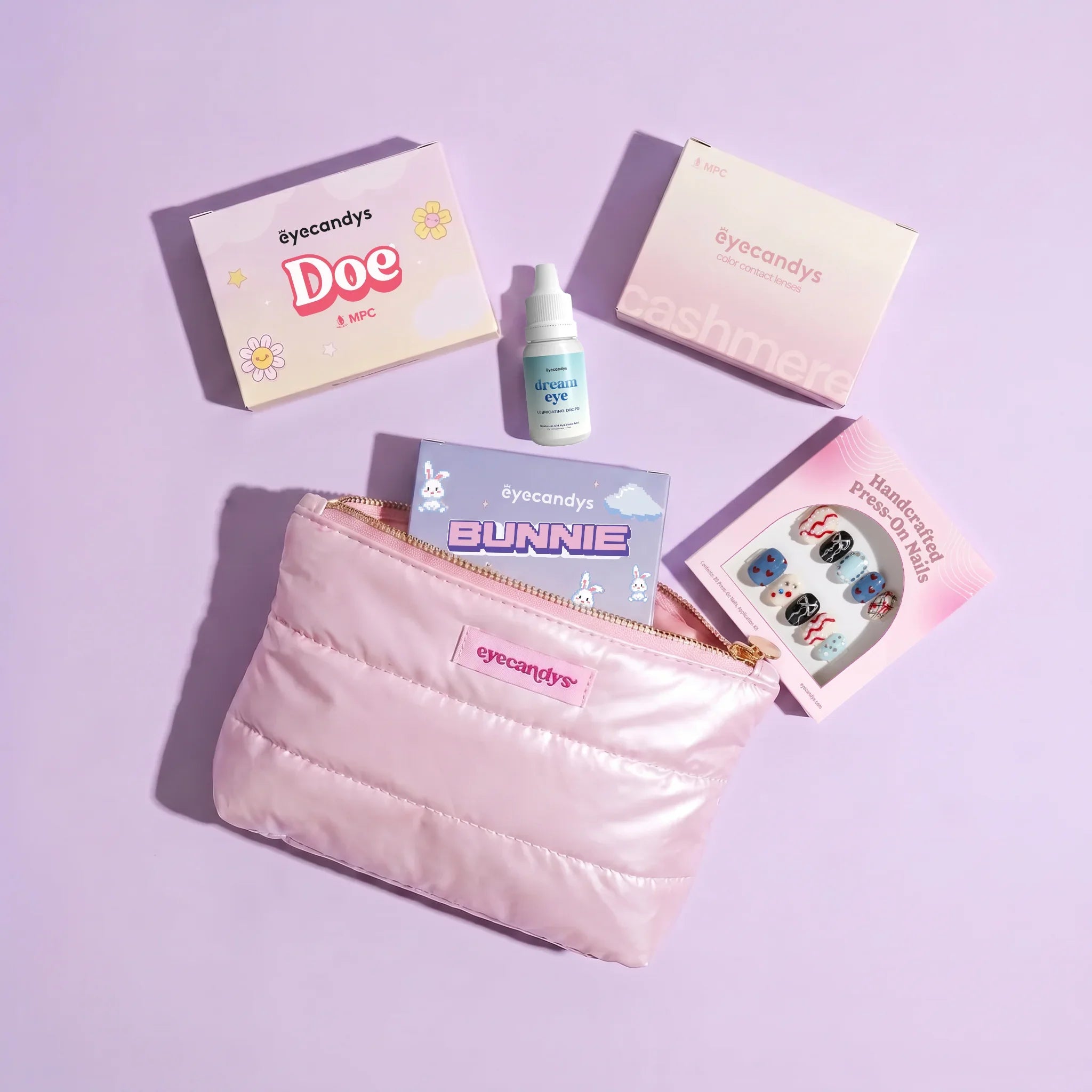
Each EyeCandys press-on nail set includes 20 nails, regular sticky tabs, a cuticle stick, an alcohol wipe, and a nail file. The regular sticky tabs are designed for around 3 days or single-event wear, while Insanely Sticky Tabs are sold separately for longer hold.
For nail biters, that flexibility matters. You can start with short-term wear, see how the nails feel, remove them gently, and decide what works for your routine.
Final Takeaway: Press-Ons May Help You Pause, But Be Gentle With Yourself
Press-on nails are not a cure for nail biting, but they may help create a pause. They can act as a physical barrier, make biting less automatic, and help your hands look more polished while your natural nails grow.
The key is to keep the routine gentle. Choose shorter styles, use adhesive options that make sense for your nails, avoid applying over irritated skin, and remove your press-ons slowly with warm, soapy water.
Most importantly, be kind to yourself. Nail biting is a common habit, and changing it can take time. EyeCandys handmade press-on nails can support your beauty routine by giving you a polished look now while you work toward healthier-feeling natural nails at your own pace.
A Gentle Way to Pause and Feel Polished
EyeCandys handmade press-on nails give your hands a finished look now while you grow your natural nails out at your own pace.