
Ghosts are among the most enduring Halloween costume ideas, but that does not mean your look has to begin and end with a white sheet. A ghost costume can be eerie, tragic, romantic, glamorous, playful, or genuinely frightening. It can also be assembled in an afternoon or developed into an original, competition-ready cosplay.
The best ghost costumes usually suggest that the spirit was once a specific person. Their clothing, makeup, props, and movements reveal something about when they lived, how they died, or why they continue to haunt the living.
That makes a ghost an especially flexible choice for cosplayers. Beginners can build a recognizable look from clothing they already own, while experienced makers can experiment with historical garments, fabric distressing, prosthetics, lighting, sculptural silhouettes, and elaborate supernatural effects.
This guide explores five popular types of ghost costumes, including the classic sheet ghost, Victorian spirit, haunted bride, shipwrecked pirate, and dark phantom. Each can be adapted for a Halloween party, convention, photoshoot, costume competition, or original character cosplay.
What Makes a Ghost Costume Recognizable?
Unlike a licensed character with one established outfit, a ghost costume depends on visual storytelling. The goal is to make the wearer appear disconnected from the living world.
Pale colors, cool-toned makeup, faded clothing, distressed fabric, hollow-looking eyes, and unnatural movement can all create that impression. However, a ghost does not need to be dressed entirely in white.
Antique ivory can make a historical costume feel aged. Dusty blue and muted green work well for drowned or frozen spirits. Black and deep purple can create a shadowy apparition, while faded pink and lavender may suit a romantic ghost.
Before choosing individual costume pieces, decide what kind of atmosphere you want to create. A playful sheet ghost should not be styled exactly like an abandoned bride, and a drowned sailor should not have the same makeup as a spirit haunting a Victorian mansion.
Your clothing, hair, makeup, colored contacts, nail design, props, and performance should all feel like parts of the same story.
1. The Classic Sheet Ghost
The white-sheet ghost is one of Halloween’s simplest and most recognizable costumes. It is nostalgic, easy to understand, and surprisingly adaptable.
A traditional version can be cute and playful, while a distressed or sculptural interpretation can become eerie enough for a convention photoshoot. It is also a useful option for beginners who want a low-cost costume without sewing an entire outfit.
What You Need for a Classic Sheet Ghost
A basic version can be made with:
- One lightweight white sheet or large piece of fabric
- Fabric scissors
- A fabric-safe marker
- White or neutral clothing for underneath
- Comfortable shoes
- Optional white gloves
- Optional hood, cap, or headband
Choose fabric that is lightweight enough to move naturally but not so thin that it becomes transparent under bright lights. Avoid using an expensive sheet or sentimental textile because the material will need to be cut and possibly distressed.
Place the sheet over the wearer only to determine its general position. Mark the eye placement carefully, remove the fabric, and then make the cuts. Never use scissors close to someone’s face.
The hem should remain well above the floor. A sheet that drags may look atmospheric in photographs, but it can become dangerous around stairs, doorways, crowds, and uneven outdoor surfaces.
A Safer Beginner Alternative
A white poncho, hooded cape, oversized tunic, or layered white dress can create the same simple silhouette while leaving the face visible.
This approach is particularly useful at conventions, where the wearer may need better peripheral vision, or at Halloween events that involve walking outdoors. It also allows you to add ghost makeup, colored contacts, and a more expressive performance.
A poncho-style ghost costume can be made by cutting a head opening in the center of a large piece of white fabric and distressing the edges. Layer it over white clothing and add sheer strips of fabric around the shoulders and sleeves to suggest movement.
An Advanced Sheet Ghost Cosplay
Experienced cosplayers can transform the familiar sheet ghost into a sculptural supernatural character.
Instead of using one flat layer, combine sheer chiffon, mesh, gauze, and lightweight cotton. Cut the layers at different lengths so they drift independently as you move. Soft grey or pale blue fabric can be added underneath the white layers to create depth.
A fitted hood can support the fabric and prevent it from shifting. Lightweight boning, thin wire, or transparent supports may be used to hold parts of the costume away from the body, creating the impression that the fabric is floating.
Subtle battery-operated lights placed beneath translucent layers can produce an ethereal glow. Keep the battery pack secure, accessible, and separated from bare skin.
A fashion-forward interpretation could replace the sheet with a structured white cape, oversized sleeves, a hooded veil, or an asymmetrical gown. The recognizable white silhouette remains, but the costume feels more intentional and editorial.
Makeup and Hair for a Sheet Ghost
When the face remains visible, use pale makeup with cool grey contouring around the temples, cheekbones, and eyes. Avoid covering the entire face with flat white paint because it can remove dimension and make the makeup appear unfinished.
Pearlescent highlighter, silver details, or a slightly glossy finish can create an otherworldly effect. For a playful ghost, keep the features soft and animated. For a darker version, extend grey shadow beneath the eyes and create a faded, nearly colorless lip.
Hair can be hidden beneath a hood or styled in loose, weightless-looking waves. White hair wax or temporary grey color can help the hair blend into the costume, but patch-test temporary products and protect the clothing from transfer.
Classic Ghost Nail Ideas
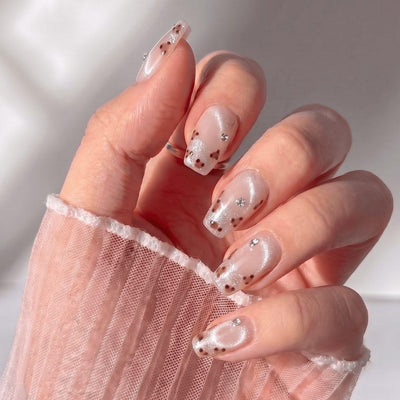
A sheet ghost manicure can be playful or surprisingly elegant. Milky white, pearl, pale grey, and translucent ivory all fit the costume without overwhelming it.
Small ghost faces, floating eyes, wispy white lines, or negative-space designs can create a lighthearted Halloween look. For something more sophisticated, try white cat-eye polish, chrome powder, sheer jelly finishes, or an iridescent glaze.
Short round or squoval nails keep the costume approachable, while long translucent nails can make a stylized ghost feel more supernatural.
2. The Victorian or Edwardian Ghost
The Victorian mansion ghost is a classic figure in gothic stories, haunted houses, and supernatural films. This spirit may have been the former owner of a crumbling estate, a forgotten hotel guest, a grieving mourner, or someone waiting eternally for a person who never returned.
Although Halloween costumes often combine several historical eras, Victorian and Edwardian clothing are not identical. Someone creating a historically informed cosplay should choose a specific decade and research the silhouettes, fabrics, and accessories associated with that period.
A general Halloween interpretation does not need to be perfectly accurate, but a consistent silhouette will help the costume feel believable.
What You Need for a Beginner Victorian Ghost
An accessible version might include:
- A long white, grey, black, or faded pastel dress
- A high-neck blouse and long skirt
- A lace shawl or cape
- Gloves
- An antique-style brooch or cameo necklace
- Dark or neutral boots
- Pale makeup
- Temporary grey or white hair color
Look for modern reproductions, costume garments, or inexpensive thrifted pieces rather than damaging genuine antique clothing. Old textiles may be fragile, historically valuable, or impossible to replace.
A high-neck blouse, long skirt, and lace shawl can communicate the concept without requiring a full period gown. Keep the palette muted and add a few carefully weathered details around the hem, cuffs, and collar.
Creating an Advanced Historical Ghost
Experienced cosplayers can base the design on a particular decade, social class, occupation, or imagined life story.
An 1880s spirit might wear a structured bustle silhouette, while a turn-of-the-century ghost could appear in a high-necked walking dress. A mourning costume may use black crepe, veiling, and subtle jet-inspired accessories, while a wealthy mansion resident could wear elaborate lace and decorative trim.
Period-inspired undergarments can change the silhouette considerably, but comfort and safety should remain priorities. Corsets, petticoats, bustles, and structured skirts should be fitted correctly and tested before a long convention day.
Fabric weathering should connect to the character’s history. A spirit from an abandoned home might appear dusty and faded. A ghost associated with a fire could have smoke-darkened hems and scorched-looking edges. Someone who wandered outdoors for decades may have mud, leaves, or frayed fabric around the lower portion of the costume.
Avoid applying stains randomly across the garment. Concentrated and story-driven distressing will usually look more believable than covering every surface with equal amounts of dirt.
Giving Your Victorian Ghost a History
Original ghost cosplays become more compelling when the character has a clear identity.
Decide where the ghost once lived, when they died, and what keeps them attached to a location or object. Perhaps they are waiting in a railway station for someone who never arrived. Maybe they haunt a theater where they performed their final role or wander a hotel carrying the key to a room that no longer exists.
The answers can guide your accessories. A faded letter, pocket watch, framed photograph, room key, book, or small piece of jewellery can reveal more about the ghost than an unrelated horror prop.
Your expressions should reflect the same story. A confused spirit might look past the camera as though searching for something. An angry ghost can hold direct eye contact, while a mournful character may seem withdrawn and distant.
Victorian Ghost Makeup and Hair
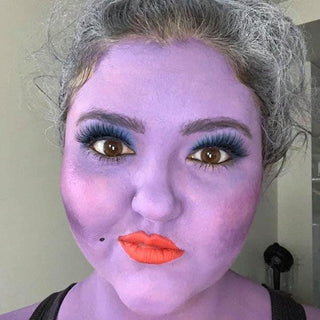
Use a pale foundation or a base slightly lighter than your usual shade, then add cool grey, muted lavender, or blue-toned contouring. Hollow the eyes subtly and remove warmth from the lips without making the face completely monochromatic.
For a dusty mansion ghost, lightly stipple grey or taupe color around the hairline, jaw, and hands. A spirit associated with a particular death could include restrained special-effects details, but the makeup should not obscure the historical styling.
Hair can be arranged in a period-inspired updo, loose curls, or a partially fallen hairstyle that suggests the character has been wandering for years. Temporary grey color, white streaks, or powdery texture can help create an aged appearance.
Victorian Ghost Nail Ideas
Antique ivory, dusty rose, faded lavender, smoky grey, and black complement this style. Short oval or almond nails generally feel more harmonious with historical clothing than extremely modern shapes.
Lace patterns, tiny cameos, dried-flower effects, cracked porcelain designs, and antique gold accents can connect the manicure to the costume. A faded floral set can feel romantic, while black nails with delicate silver details work well for a mourning ghost.

3. The Haunted Bride
The haunted bride combines romance, tragedy, and horror. She may have been abandoned at the altar, betrayed before her wedding, lost on the journey to the ceremony, or cursed to repeat the same day forever.
This costume can be beautiful and melancholy, intensely frightening, or deliberately glamorous. It is also easy to recognize because the dress, veil, bouquet, and ghostly makeup immediately suggest a story.
What You Need for a Beginner Haunted Bride
A simple version can use:
- White or ivory dress
- Veil or sheer white fabric
- Artificial or dried-looking flowers
- White, grey, or black shoes
- Pale makeup
- Grey or muted blue eyeshadow
- Costume jewellery
- Optional gloves
The dress does not need to be an actual wedding gown. A white maxi dress, formal costume, long skirt, or lace dress can establish the silhouette.
Avoid permanently altering a valuable vintage gown or a wedding dress with sentimental significance. Removable costume dust, detachable tulle layers, safety-pinned fabric strips, and temporary accessories can create an aged effect without destroying the original garment.
A bouquet made from artificial flowers can be painted or weathered to appear dried. Mix faded white flowers with grey leaves, black ribbon, or trailing fabric to connect the prop to the rest of the costume.
Building an Advanced Haunted Bride Cosplay
Experienced makers can construct a custom gown with layered skirts, corsetry, lace panels, dramatic sleeves, and a cathedral-length veil.
The condition of the gown should reflect the bride’s fictional story. A drowned bride may have water-stained fabric, tangled hair, pearls, and blue-grey makeup. A cemetery spirit could appear covered in vines, moss, and aged lace. A bride associated with a fire may have smoky shading, damaged veil edges, and carefully controlled charred effects.
Weather the areas that would naturally experience the most damage, including the hem, train, sleeves, veil edges, and places where the fabric touches the body or ground.
Advanced cosplayers may also create prosthetic wounds, cracked skin, exposed veins, or a dramatic supernatural transformation across one side of the face. Keep prosthetic edges away from the eyes and use only products intended for application on skin.
A detachable train or veil can make the costume easier to navigate through crowded convention spaces. The dramatic pieces can be added for photographs and removed while walking.
Haunted Bride Makeup and Hair
For a romantic interpretation, use luminous pale skin, cool contouring, soft grey eyeshadow, faded lips, and tear-stained details. Smudged eyeliner can create the impression that the bride has been crying for decades.
A more frightening version could include sunken eyes, cracked skin, bruising, dried tears, or carefully applied stage blood. Rather than adding every possible horror effect, choose one or two details that support the backstory.
Hair can be styled in a loose updo, tangled curls, soft waves, or a partially undone bridal style. A veil covering part of the face can create a dramatic reveal during photographs.
Haunted Bride Nail Ideas
The manicure can lean romantic with sheer white, blush pink, pearls, floral details, and delicate lace patterns. Antique ivory and soft grey can make the nails feel faded rather than freshly bridal.
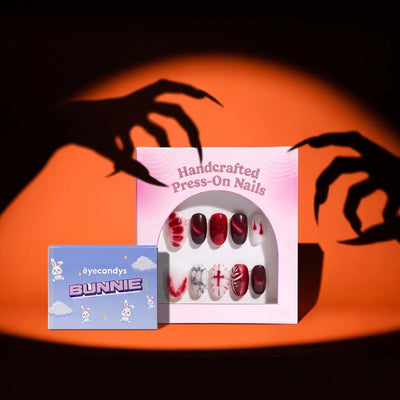
For a darker look, try black roses, cracked polish, deep red ombré tips, broken-heart art, or smoky chrome. A single dramatic accent nail can reference the ghost’s story while keeping the rest of the set elegant.
Long almond nails work well for a glamorous haunted bride, while shorter oval nails complement a more historical or understated interpretation.
4. The Ghostly Pirate or Shipwrecked Spirit
A ghost pirate offers a more adventurous alternative to the traditional pale apparition. This character might be the captain of a lost ship, a sailor who never returned, a treasure hunter cursed by what they found, or a spirit protecting a wreck beneath the ocean.
The concept works particularly well for group cosplay because several people can portray members of the same spectral crew.
What You Need for a Beginner Ghost Pirate
A simple costume can include:
- Loose white or cream shirt
- Dark vest or weathered jacket
- Black or brown trousers
- Long layered skirt
- Waist sash
- Boots
- Pirate-style hat or head scarf
- Costume jewellery
- Lightweight convention-safe prop
- Grey, blue, or muted green makeup
Build the costume from several layers rather than relying on one premade pirate outfit. A loose blouse, fitted vest, waist sash, and weathered outer layer will produce more visual depth.
Use diluted fabric paint, removable costume dust, or carefully applied shading to make the clothing appear faded. Focus on the cuffs, collar, seams, knees, and lower edges.
Creating an Advanced Shipwrecked Ghost
Experienced cosplayers can develop the costume around a specific maritime era or supernatural transformation.
A custom coat, waistcoat, breeches, layered skirt, or weathered captain’s uniform can establish the historical foundation. From there, the character can appear gradually overtaken by the sea.
Lightweight shells, faux pearls, netting, seaweed-like fabric strips, and foam barnacles can be attached to the clothing. Iridescent materials and translucent blue layers can make parts of the costume appear wet or submerged.
A more ambitious design might show the ghost partially transforming into coral, driftwood, or a sea creature. Use lightweight foam, thermoplastic, or flexible prosthetic materials rather than real shells or heavy objects.
A prop lantern, damaged compass, map, ship’s log, or small treasure chest can reveal the character’s role aboard the vessel. Open flames, glass lanterns, real weapons, and heavy metal chains should be replaced with battery-operated lights and lightweight costume materials.
Ghost Pirate Makeup and Hair
Blue-grey contouring can make the face appear cold and drained of life. Add muted green or silver highlights to suggest reflected ocean light.
Gloss applied strategically around the temples, collarbones, or arms can create the appearance of damp skin. Keep glossy products, costume water, and loose glitter away from the eyes and contact lenses.
Damp-looking waves, tangled braids, seaweed details, beads, and fabric strips can be incorporated into the hair. An advanced version may include barnacle prosthetics, shell-like textures, or cracked skin created with cosmetic-grade products and skin-safe adhesive.
Ghost Pirate Nail Ideas
Stormy blue, deep green, tarnished silver, black, and antique gold fit naturally into a shipwrecked palette.
Wave effects, sea-glass finishes, pearl accents, treasure-map lines, compass designs, and tiny ship silhouettes can make the manicure part of the storytelling. Magnetic cat-eye polish is especially effective because the shifting highlight can resemble moving water.
Keep the design rugged with chipped-looking metallic edges, or take it in a glamorous direction with long ocean-blue chrome nails and pearl embellishments.
5. The Dark Phantom or Shadow Ghost
Not every spirit appears pale or translucent. A dark phantom may manifest as a shadow, faceless figure, unnatural silhouette, or absence of light.
This costume is ideal for people who prefer black clothing, creature-inspired cosplay, theatrical movement, or horror designs that do not depend on traditional ghost imagery.
The goal is to make the character appear to absorb light rather than reflect it.
What You Need for a Beginner Shadow Ghost
Begin with:
- Black hooded robe, cape, or oversized coat
- Black dress, trousers, or bodysuit
- Black gloves
- Sheer black fabric
- Dark makeup
- Optional face covering
- Comfortable black shoes
Use several different textures of black. Matte fabric, sheer mesh, velvet, distressed gauze, faux leather, and glossy details will respond differently to light and prevent the costume from becoming one flat shape.
An oversized hood or veil can partially obscure the face while still allowing the wearer to see. Test any mesh under realistic lighting because material that looks transparent in a bright room may become difficult to see through at a dark event.
Designing an Advanced Dark Phantom
Experienced cosplayers can experiment with sculptural shapes, elongated sleeves, branching forms, hidden facial structures, and creature-like proportions.
A faceless mask can create an unsettling absence of expression. Another approach is to build a hood deep enough to hide most of the face while leaving subtle glowing eyes visible inside.
Long fingers, floating fabric panels, horns, or an exaggerated shoulder silhouette can make the phantom appear less human. Keep all extensions flexible and lightweight so they do not injure other attendees or become caught in crowded spaces.
Subtle internal lights may be used beneath the hood or costume. Avoid overly bright lights that destroy the shadow effect. A faint glow is often more unsettling than a clearly visible lighting mechanism.
Shadow Ghost Makeup and Movement
Use charcoal, black, deep purple, and blue around the eyes, temples, and cheekbones. The face may be fully visible, partially obscured, or hidden behind a mask.
A blacked-out mouth, elongated eye shape, shadowy veins, or fading edges can make the visible skin appear to merge with the costume. Keep dark cosmetic products away from the inner eye and waterline unless they are specifically approved for that use.
Movement is especially important for this type of ghost. Slow, controlled gestures often feel more unsettling than sudden flailing. Remain unnaturally still, tilt your head gradually, or allow the fabric to move before the rest of your body follows.
Shadow Ghost Nail Ideas
Matte black, charcoal chrome, oil-slick finishes, deep purple, and black cat-eye polish all support the phantom aesthetic.
Long almond or stiletto nails can make the hands appear less human. Smoky gradients, shadow flames, tiny eye motifs, and negative-space designs can add detail without introducing bright colors.
For a subtle option, use short matte-black nails with one glossy or magnetic accent nail on each hand.
Choosing Colored Contacts for a Ghost Costume
Colored contacts can help establish what kind of spirit you are portraying. The most dramatic option is not automatically the best one. Choose a lens that supports the costume’s palette, makeup, lighting, and backstory.
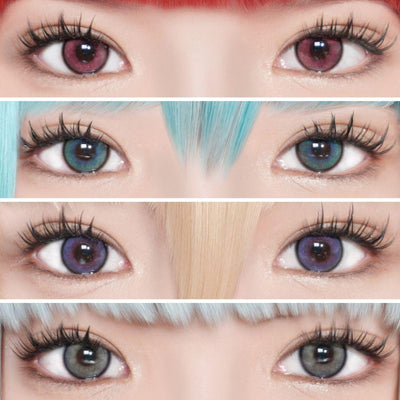
White or pale grey lenses can create a faded, vacant stare. Icy blue may suit a drowned, frozen, or ethereal ghost. Pale lavender can complement a romantic spirit, while black lenses work naturally with a shadow phantom. Red may be appropriate for a vengeful or horror-focused interpretation.
Consider how the lenses will look in your planned environment. A subtle grey design may appear beautifully eerie in daylight but become difficult to see in a dim party venue. A brighter or more opaque lens can create stronger contrast in photographs.
Insert colored contacts before applying eye makeup. Keep loose glitter, fake blood, costume dust, face paint, hairspray, and fabric fibres away from the lenses.
All contact lenses, including decorative lenses without vision correction, are medical devices that require a valid prescription in the United States. They should be properly fitted and purchased from a seller that verifies the prescription. Wearing decorative lenses without a prescription or proper care can increase the risk of eye injuries and infections.
Follow the wearing, cleaning, disinfecting, and replacement instructions provided for your specific lenses. Never share contacts with another person, expose them to tap water, or sleep in them unless they were prescribed for that type of use. Remove the lenses and contact an eye care professional if you experience pain, redness, discharge, unusual sensitivity, or changes in vision.
Colored contacts are an optional detail. A ghost costume can still be highly effective through makeup, clothing, movement, and lighting, so do not wear lenses that are uncomfortable or inappropriate for your eyes.

Ghost Makeup for Beginners and Experienced Cosplayers
A beginner ghost makeup look can be created with a pale foundation, cool-toned contour, grey eyeshadow, and muted lipstick. The goal is to remove some warmth from the complexion while preserving enough shading for the face to remain dimensional.
Blend grey, taupe, muted blue, or lavender beneath the cheekbones and around the eyes. A small amount of pale highlighter can make the highest points of the face appear cold or unnatural.
Intermediate cosplayers can add tear stains, exposed veins, cracked skin, hollow eyes, dirt, water damage, or bruising. Keep the placement connected to the ghost’s history rather than using every technique at once.
Experienced special-effects artists may add prosthetic wounds, facial appliances, airbrushed textures, exposed bone effects, or transformations inspired by fire, water, decay, and shadows.
Patch-test makeup, prosthetic adhesives, and body paints before the event. Use only cosmetic-grade products on your skin, and avoid placing unapproved products near your eyes or mouth.
Developing Your Ghost’s Backstory
A backstory can turn an attractive spooky outfit into a complete original character.
Decide when your ghost lived and where they appear. Consider what happened to them, what they want, and why they have not moved on.
A ghost may be seeking revenge, protecting a person or location, searching for a lost object, waiting for someone, or repeating the final moments of their life. They may not even realize that they are dead.
Once you understand the character, allow the story to influence the costume. A theater ghost might carry a damaged script. A vanished hotel guest could hold an old room key. A shipwrecked spirit may protect a compass, while a haunted bride could carry a letter that was never delivered.
The backstory should also shape your movement and expressions. A confused spirit may scan the room without focusing on the people around them. A vengeful ghost might stare directly at the camera, while a grieving character could hold a prop close to their chest.
Ghost Props and Accessories
The strongest props reveal something about the ghost rather than simply making the costume busier.
An antique-style photograph, artificial bouquet, lantern, diary, letter, pocket watch, hotel key, cracked mirror, map, or framed portrait can all support a supernatural story.
Props should remain lightweight, easy to inspect, and compliant with the venue’s rules. Replace glass, open flames, real weapons, and heavy chains with plastic, foam, fabric, and battery-operated alternatives.
A beautiful prop that becomes painful to carry will probably be abandoned halfway through the event. Add a hidden wrist strap, belt attachment, or carrying loop when possible.
Creating a Ghost Group Costume
A group can portray spirits from the same location, event, or time period. A haunted bride could be joined by a ghostly wedding party, abandoned groom, or mysterious figure responsible for the haunting.
A Victorian group might represent residents and employees of the same mansion or hotel. A shipwrecked crew can include a captain, navigator, treasure hunter, and passengers from different social classes.
Another option is to bring together ghosts from several historical periods. Each person can create a distinctive outfit while repeating one shared detail, such as pale blue makeup, matching colored contacts, similar weathering, or the same supernatural symbol.
Classic Halloween characters can also be incorporated. Ghosts, vampires, witches, skeletons, and other monsters can share a coordinated color palette so the group looks intentional rather than randomly assembled.
Making a Ghost Costume Comfortable and Safe
Long fabric, veils, masks, hoods, and dim lighting can make ghost costumes more difficult to wear than they initially appear.
Test your complete costume before the event. Walk through doors, use stairs, sit down, turn your head, and practice carrying your props. Make sure you can see clearly and breathe comfortably.
Shorten or temporarily secure long skirts, capes, and veils while walking through crowds. Dramatic trains can be attached for photographs and removed afterward.
Masks and dark mesh should be tested under low lighting. A material that is easy to see through at home may significantly reduce visibility inside a haunted attraction or evening event.
Carry a small repair kit containing safety pins, fashion tape, spare fasteners, makeup, and adhesive suitable for your materials. Comfortable shoes can be hidden beneath long clothing, and backup shoes can help during an extended convention day.
Common Ghost Costume Mistakes
Using only white can make a costume appear flat. Add ivory, grey, blue, silver, black, or another muted color to create contrast and reveal the garment’s shape.
Random weathering is another common issue. Rips, stains, and dirt should connect to the character’s story and appear in places that would naturally experience damage.
A ghost associated with a shipwreck should not look weathered in exactly the same way as a mansion spirit. Water stains, salt-like textures, and sea debris support one story, while dust, faded lace, and worn hems support another.
Do not allow makeup to carry the entire costume. Clothing, props, hair, colored contacts, nail art, posture, and movement should work together.
Most importantly, never sacrifice your visibility, breathing, or ability to walk for a more dramatic silhouette.

Which Ghost Will You Become?
A ghost costume can be one of the simplest Halloween looks to assemble or one of the most detailed original characters to develop.
The classic sheet ghost offers a playful and recognizable starting point. A Victorian spirit introduces history and gothic atmosphere, while a haunted bride combines romance with horror. Ghost pirates allow for adventurous storytelling and ocean-inspired effects, and dark phantoms give experienced makers room to explore sculptural, creature-like designs.
Beginners can focus on a strong silhouette, cool-toned makeup, and one meaningful prop. Experienced cosplayers can add historical construction, custom fabric weathering, prosthetics, lighting, colored contacts, and character-inspired nail art.
Whichever style you choose, begin by deciding who your ghost was and why they remain. Once you know their story, every faded garment, supernatural detail, and haunted expression can help bring that character back from the dead.
Related Reading
- Tohru Cosplay Guide: Miss Kobayashi’s Dragon Maid
- Tomie Kawakami Cosplay Guide
- Baizhu Cosplay Guide: Genshin Impact
- Scarah Screams Cosplay Guide
- Violet Evergarden Cosplay Guide


Bring Your Ghost Back From the Dead
Whichever style you choose, begin by deciding who your ghost was and why they remain. Once you know their story, every faded garment, supernatural detail, and haunted expression can help bring that character back from the dead.