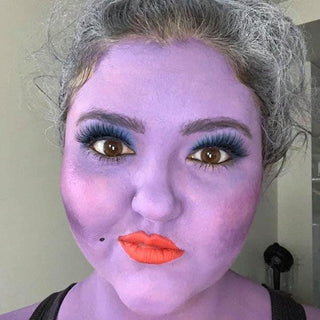
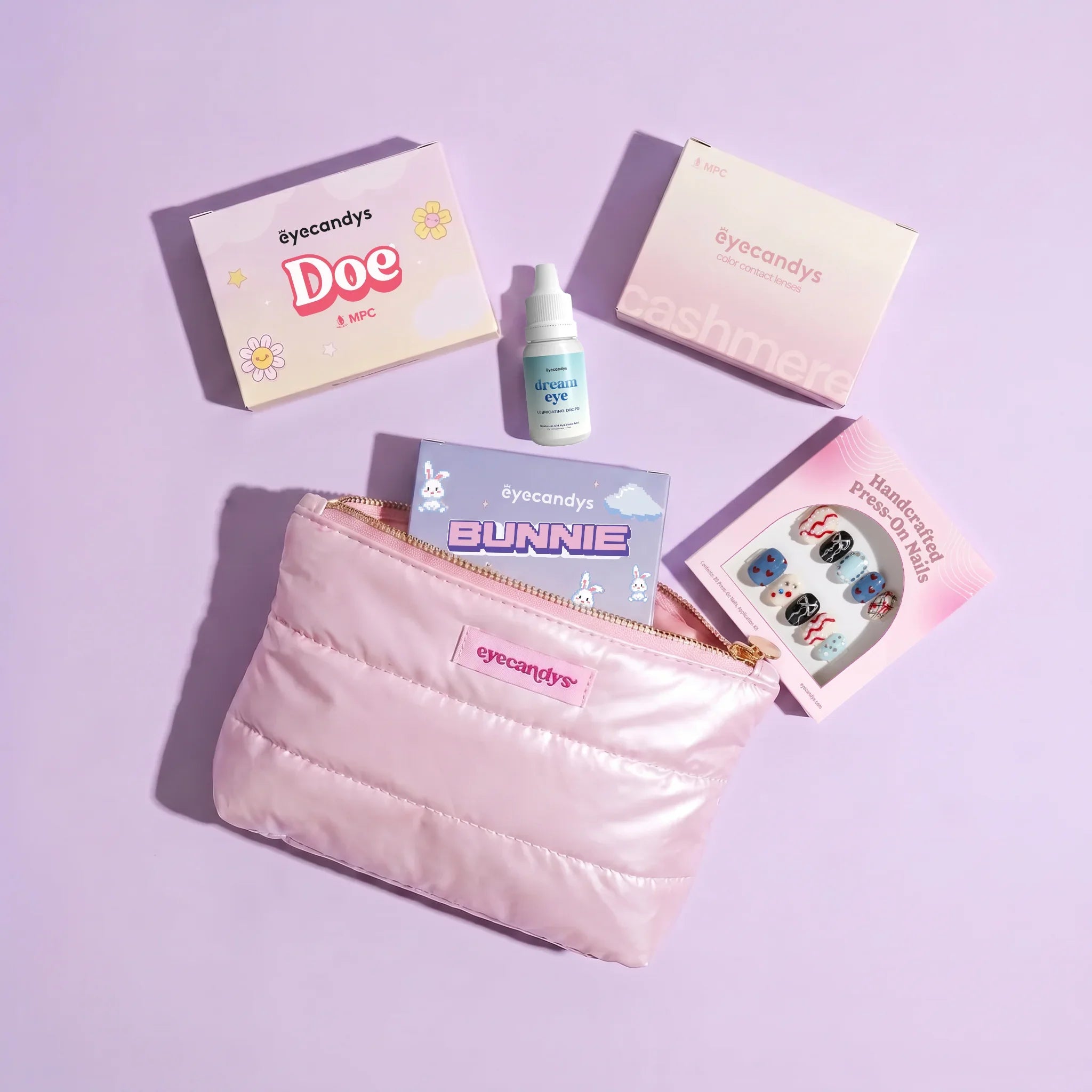
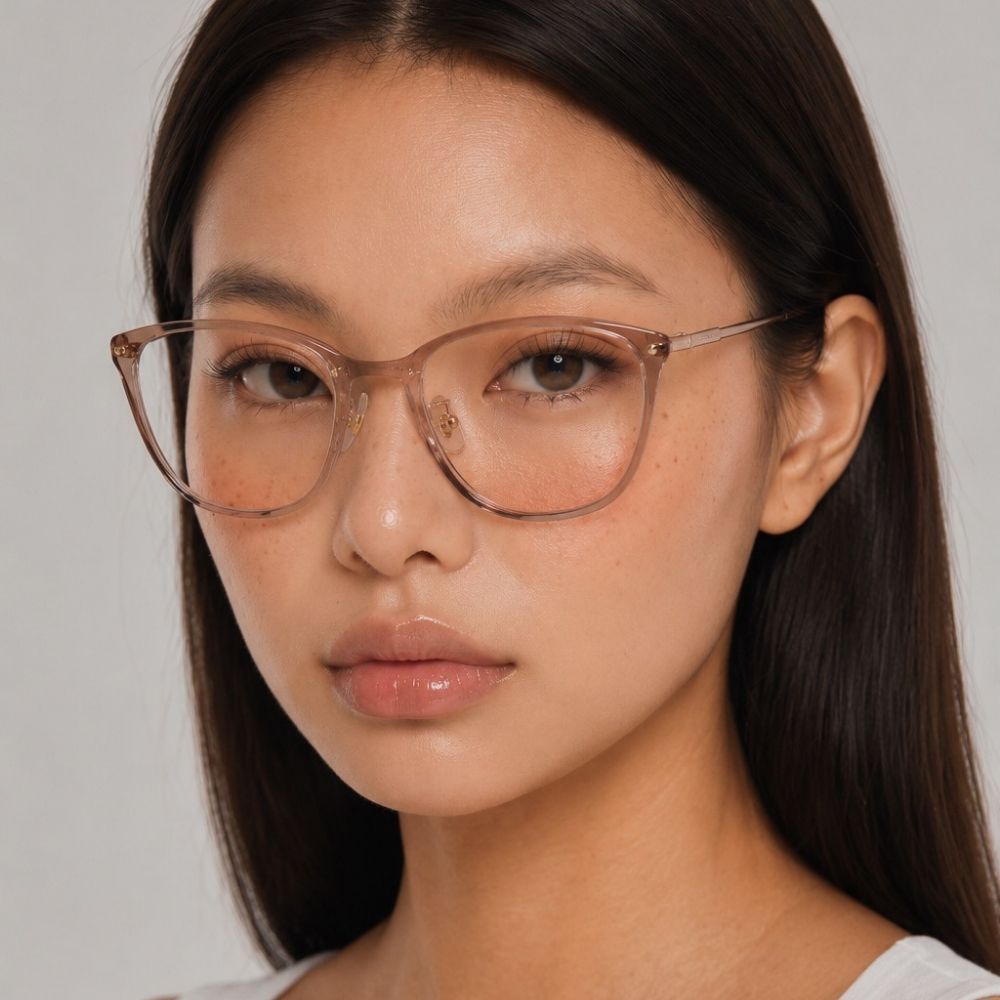

Cosplay is a thousand tiny choices that add up to one big transformation. The wig sets the silhouette, the outfit sells the era, the makeup sharpens the features, and then the eyes do the thing that makes people stop mid-scroll. Colored contact lenses can take a look from “cute interpretation” to “wait… that’s actually them,” but only when they’re chosen with equal respect for comfort, safety, and realism.
Because here’s the truth: the best cosplay contacts are not the most dramatic ones. They’re the ones you can wear for the length of your shoot or your convention day without spending the afternoon blinking through dryness, redness, or that gritty feeling that ruins your focus. They’re the ones that photograph like real irises instead of looking like a flat sticker over your eye. And they’re the ones that match your character’s vibe, whether you’re going for a stylized anime look, a grounded live-action interpretation, or something supernatural and otherworldly.
This guide walks you through how to choose contact lenses for cosplay in a way that prioritizes eye comfort first, then color payoff, then character accuracy, with practical, cosplay-specific tips throughout so you can make the choice once and feel confident you’ll love the result.
The cosplayer lens checklist: what to look for before you buy
When you’re shopping for colored contact lenses, it’s easy to get hypnotized by the product photos. But cosplay is a very specific use case: you’ll be wearing makeup, dealing with bright lights, maybe outdoors wind, and often going long hours. A quick mental checklist helps you choose lenses that actually fit your day, not just your mood board.
Start with comfort. Ask yourself how long you truly need to wear them. A two-hour photoshoot and a ten-hour convention day are different realities. If you’re prone to dryness or irritation, comfort has to lead the decision.
Then consider realism. The tiny design details matter: how strong the limbal ring is, how blended the pattern looks, whether the iris has depth or reads like a single flat print.
Finally, think about character accuracy. “Accurate” doesn’t always mean “exact hex code.” It means the overall impression feels right with your wig color, makeup tone, and the world the character lives in. A stormy grey might read more accurate than a bright silver if your version is grounded and cinematic. A vibrant teal might be perfect if you’re leaning into anime saturation.
Alongside those three, you’ll also want to consider how the lenses photograph. Some patterns look incredible in person but disappear on camera, while others pop in close-ups and look too intense at normal conversation distance. If you plan to shoot with flash or strong ring lights, prioritize lenses known for a more natural iris texture rather than harsh, reflective prints that can create an unnatural “glow” effect.
And yes, fit matters. Even if you’re choosing non-prescription lenses, you still want lenses that match your eyes properly. A proper fit is a comfort issue and a safety issue.
Comfort first: what makes cosplay lenses wearable for long days
Cosplayers don’t wear contacts the way most people do. You’re not putting them in for a quick errand and taking them out after dinner. You’re wearing them under makeup, during long lines, in dry convention halls, under lights, while posing, while smiling, while trying to not blink mid-photo.
Comfort comes down to a few factors, and it helps to know what they actually mean in practice.
Lens material and moisture can make a big difference in how your eyes feel after a few hours. Some lenses are designed to feel hydrated longer, while others can start to feel dry faster, especially in air-conditioned spaces or high-desert climates. If you know your eyes get dry easily, look for lenses that are specifically described as comfortable for long wear and plan your cosplay schedule accordingly. Many cosplayers assume discomfort is just the price of beauty, but it’s often a sign the lens isn’t the right match for your eyes or for how long you’re wearing it.
Wear time is another reality check. If you’re wondering how long you can wear cosplay contacts in a day, the safest answer is: follow the guidance from your eye care professional and the lens packaging, and listen to your body. If your eyes start feeling irritated, if your vision gets hazy, or if you notice persistent redness, that’s not something to push through for the sake of a look. It’s your cue to remove the lenses and switch to glasses or go lens-free.
If you wear prescription lenses, you’ll often be more comfortable overall wearing a prescription version rather than going plano and relying on glasses you can’t wear with your cosplay. Clear vision reduces eye strain. When you’re already doing the most with makeup, lashes, and styling, keeping your eyes relaxed matters more than people think.
Finally, if you have dry eyes or sensitive eyes, you can still enjoy cosplay lenses, but you’ll want to build your plan around comfort. That might mean choosing a more natural lens design that comes in materials you tolerate well, wearing them for shorter time windows, and keeping a contact-safe eye drop in your bag as part of your con kit.
Color payoff: why your natural eye color changes everything
One of the most common cosplay lens disappointments is ordering a color that looks perfect on the model photo, only to put them in and realize the shade looks totally different on you. This is not your fault. It’s physics, pigmentation, and how color layers on top of color.
If you have dark brown eyes, you’ll typically need more opacity to achieve a noticeable change. Subtle enhancer lenses can look beautiful, but they may read as “slightly brighter brown” rather than “ice grey” depending on the lens design. If you have lighter eyes, you can get dramatic shifts with lenses that have more translucency, and you can also risk the lens looking too bright or unnatural if the pattern is high-saturation.
This is where the question “do colored contacts work on dark eyes?” becomes less of a yes-or-no and more of a “choose the right type.” The best approach is to look for lenses described as opaque or designed for dark eyes when you’re aiming for a strong change. For lighter eyes, you can often choose more nuanced designs that enhance and shift rather than fully cover.
Undertones matter, too. A “grey” lens can pull blue, green, or even lavender depending on how it’s mixed. If your character’s eyes are meant to look cold and steel-like, you’ll want a cool-toned grey. If you want a softer, more natural grey that still reads human, a warmer grey with subtle brown undertones might photograph better and look more believable.
Lighting will shift everything. Convention lighting is often warm, overhead, and uneven. Daylight is unforgiving but accurate. Ring lights can flatten the iris texture. Flash can create glare or exaggerated contrast. If you can, test your full look in the lighting you’ll be in most. Even a quick phone selfie in daylight and a quick selfie under indoor lighting can prevent the “why do they look totally different than I thought?” moment on the day of.
Character accuracy: choose by character type, not just color name
Cosplay lenses aren’t just “blue” or “green.” They’re an artistic tool, and character accuracy is often about the style of the lens as much as the shade itself.
If you’re cosplaying an anime or game character with large, stylized eyes, you’ll usually want a lens that supports that world. Brighter colors, more pronounced iris patterns, and sometimes a slightly enlarging effect can help your eyes read as more animated, especially in photos and on video.
If you’re doing a live-action adaptation or a more cinematic interpretation, realism becomes the priority. Softer limbal rings, more detailed iris textures, and subtle multi-tone blending often look more believable. A lens that’s too bold can make the cosplay feel costume-y rather than character-driven.
Fantasy and supernatural looks are where you can intentionally break realism, but you still want to be thoughtful. Red lenses can look striking, but they can also look flat if the design has no depth. White or “blind” styles can be dramatic, but they can also affect visibility depending on the design, which matters for safety at conventions and crowded venues. The goal is to choose a style that supports the character while still letting you move confidently through the real world.
If your cosplay is inspired by K-pop stage looks or idol aesthetics, you may want something that brightens and defines without looking like special effects. A natural limbal ring, a clean iris pattern, and a shade that looks luminous rather than neon often gives that polished, camera-ready finish.
This is also where the question “what’s the difference between enlarging lenses and natural lenses?” becomes useful in practice. Enlarging styles can create a doe-eyed, doll-like vibe that suits some characters perfectly. Natural styles preserve more realism and can look more like “this is their real eye color,” especially in close-ups.
Lens design details that change the whole look
Two lenses can both be labeled “grey,” and one can look eerie and ethereal while the other looks soft and human. The difference is usually design.
The limbal ring is the outer ring that frames the iris. A bold limbal ring creates a high-contrast, doll-eye effect. A softer limbal ring looks more natural and often photographs better in close-ups.
Iris texture matters, too. Designs with layered tones and tiny flecks tend to look more realistic than designs with a single uniform print. Multi-tone blending gives dimension, which is what makes the eye look alive instead of graphic.
The pupil area is another detail people don’t think about until it’s too late. A clean, clear pupil zone helps maintain clarity of vision and can reduce the “halo” look that sometimes happens when patterns crowd the center. If you’ve ever put in a lens and felt like your vision was just slightly off or foggy, that’s one reason why. If you notice blurry vision with lenses, that’s not something to ignore. It can be a fit issue, a lens issue, or an eye health issue. Either way, remove the lenses and reassess.
And yes, you can wear contacts with heavy eye makeup, but the lens design and your makeup routine should work together. A highly graphic lens plus heavy eyeliner plus extreme lashes can look stunning, but it can also overwhelm the eye so the character’s gaze gets lost. Sometimes the most accurate choice is a slightly softer lens that leaves room for your makeup artistry to show.
Choosing the right lens type for your cosplay schedule
The “best” lens type depends on how you cosplay.
If you only cosplay a character once or you’re doing a single photoshoot, daily lenses can be a great choice. They’re simple, hygienic, and easy to travel with. You use them once and you’re done.
If you cosplay the same character multiple times across a season, monthly lenses may make sense because they allow repeat wears, as long as you care for them properly and respect wear schedules. A lot of cosplayers like monthlies because they can do a test run, tweak the makeup, and wear them again for the final shoot.
Some brands offer longer replacement schedules, but anything that’s meant to be worn over an extended period requires extra care and strict hygiene. The more times you reuse a lens, the more you need a routine that protects your eye health. For cosplayers, that’s especially important because makeup products can migrate, and long days can tempt you into “just one more hour.” A safe lens routine is what lets cosplay be a long-term hobby, not a one-time risk.
If you have astigmatism or a more complex prescription, it’s worth knowing that specialty options can exist, but availability varies widely. The most important thing is to prioritize a proper fit and clear vision, because squinting through a convention day is not the vibe and it can turn a fun experience into a headache.
Cosplay safety essentials: the non-negotiables
Cosplay is all about transformation, but your eye health is not a costume piece. The safest way to enjoy colored contacts is to treat them like medical devices, because they are.
Even if your lenses are non-prescription, you should still get a proper eye exam and fitting. This is one of the biggest misconceptions in cosplay communities: that “plano” means “no risk.” Fit impacts comfort, oxygen flow, and how the lens sits on your eye.
Never share lenses. Not with friends, not with a cosplay partner, not for “just a photo.” This is how infections happen.
Be cautious about water. Avoid swimming, showering, or exposing lenses to water. Water can introduce bacteria and increase risk.
Know your stop signs. If your eyes are red, painful, unusually watery, light-sensitive, or your vision is blurry, remove the lenses immediately. If symptoms persist, contact an eye care professional. Cosplay should never require you to push through discomfort.
And because many cosplayers ask it in some form: if your eyes get irritated while wearing contacts, the first step is always to remove the lenses. Don’t try to “power through” with more drops or more blinking. Comfort issues are information. Listen to them.
Convention-proof comfort tips that won’t ruin your makeup
Cosplay days are long, and the little habits are what keep your eyes comfortable.
Start with timing. Put your lenses in before you do your eye makeup whenever possible. It reduces the chance of fallout or product getting trapped under the lens. If you prefer doing makeup first, be extra careful about powder and glitter near the waterline.
Be mindful with lash glue and adhesives. Strong fumes can make your eyes water, and watery eyes plus contacts plus makeup is a chaotic combo. Let adhesives get tacky before placement and keep ventilation in mind if you’re applying in a hotel room.
Carry a mini kit. At minimum: your lens case, lens solution, a compact mirror, contact-compatible eye drops, and your backup glasses. The backup glasses are not a defeat. They are an act of self-respect that keeps your day going if your eyes need a break.
Build breaks into your plan. If you’re at a convention all day, consider a mid-day reset in your room or a quiet corner where you can remove lenses for a bit. People are often surprised how much better their eyes feel after a short break, and it can make the difference between lasting the full event or leaving early.
If you’re wondering whether you can wear contacts with heavy makeup all day, the answer is yes for many people, but it depends on your eyes and your routine. Choose comfortable lenses, keep your makeup products eye-safe and well-set, and plan for breaks instead of forcing maximum wear time.
The best cosplay lens shades by color family
You can build a very effective cosplay lens wardrobe by thinking in color families rather than chasing a single character’s exact shade. The right family gets you close, and the design finishes the job.
Greys are a cosplay powerhouse. Silver, storm, and graphite tones work beautifully for witches, vampires, androids, and characters with that cool, otherworldly gaze. For realism, choose greys with multi-tone texture. For dramatic looks, choose brighter, higher-contrast greys.
Blues range from icy to ocean to deep sapphire. Icy blues read striking and fantasy-forward. Deeper blues can feel more cinematic and believable, especially for live-action interpretations. If you have dark eyes and want blue to show up strongly, opacity matters.
Greens can be emerald, olive, or mint depending on the character. Emerald reads magical and intense. Olive reads natural and grounded. Mint reads ethereal and animated, especially with stylized makeup.
Browns are underrated for cosplay, especially for warm-toned characters or looks that lean more natural. Honey and caramel tones can create that luminous, doe-eyed effect without looking obviously artificial. Mocha and chocolate tones are great for subtle enhancement or realistic transformations.
Purples and pinks are for fantasy, magical, and stylized characters where the eye color is meant to feel impossible. Amethyst, lilac, and rose can look gorgeous, but the design matters here: layered tones will look more believable than a single flat purple.
Reds are high drama. Crimson and wine can look more cinematic than bright true red, especially in photos. Bright red is a statement and can be perfect for demons, villains, or supernatural icons, but it tends to look most convincing when the lens has depth rather than looking like a solid disc.
White and special-effect styles can create unforgettable looks, but they require extra caution and planning, especially for visibility and comfort. If your vision is compromised, save them for controlled photoshoots rather than crowded convention days, and always prioritize safe wear.
A simple styling formula that makes the lens look like the character
When cosplayers say “these don’t look accurate,” the issue is often not the lens. It’s the lens in combination with everything else.
Start by deciding your accuracy level. Are you going screen-accurate, inspired-by, or stylized? If you’re going stylized, you have more freedom to choose brighter colors and bigger effects.
Match the lens style to the world. Anime worlds can handle more saturation and stronger patterns. Live-action worlds want subtlety and realism.
Match undertones across the full look. If your wig and makeup lean cool, a warm-toned lens can clash even if it’s technically the “right” color. If your cosplay palette is warm and golden, icy lenses can look harsh unless that contrast is intentional.
Balance intensity. If your makeup is extremely bold, a softer lens can keep the eye readable. If your makeup is minimal, a stronger lens can carry the character vibe.
Test shoot before the event. One quick phone photo in daylight and one under indoor lighting can reveal whether the lens looks natural, whether the color reads the way you want, and whether the pattern is too strong for your face.
Bringing it all together
The best contact lenses for cosplayers are the ones that support the whole experience, not just the final photo. Comfort makes you confident and present. The right color payoff makes the transformation believable. And thoughtful character accuracy makes the look feel intentional instead of random.
If you remember one thing, let it be this: choose lenses like a pro. Start with fit and comfort, then pick a color family that matches the character’s undertone and world, then refine the design details that control realism. That’s how you end up with cosplay contacts that look incredible, feel wearable, and make your character instantly recognizable the moment you look up from under that wig.