
Allergy Season Tips If You Wear Glasses
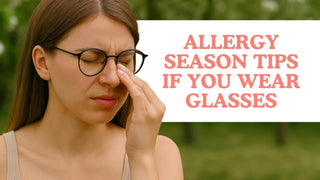
Springtime has its perks—sunshine, blooms, fresh starts—but if you’re one of the many people who deal with seasonal allergies, it can also mean itchy eyes, runny noses, and daily discomfort. The good news? If you wear glasses, you're already a step ahead.
Glasses can act as a built-in barrier between your eyes and airborne allergens like pollen and dust. But that doesn’t mean you’re completely in the clear. Here’s how to get the most relief (and the best vision) during allergy season if you wear glasses.
1. Clean Your Glasses More Often—Especially the Nose Pads and Temples
Pollen doesn’t just float in the air—it settles on surfaces. That includes your lenses, frames, and especially the parts of your glasses that touch your face.
Make it a habit to gently clean your glasses daily with:
-
A microfibre cloth
-
Lens-safe cleaner (avoid harsh household products)
-
Extra attention to nose pads, bridge, and ear pieces
This helps prevent allergens from transferring to your eyes or skin, reducing irritation and keeping your glasses crystal-clear.
2. Use Your Glasses as a Shield Outdoors
While they don’t completely block pollen, glasses offer partial protection against wind, dust, and allergens entering the eyes.
Here’s how to level up that protection:
-
Larger or wraparound frames offer more coverage
-
Add clip-on sunglasses for outdoor days—they double as a pollen shield
-
Pair with a wide-brimmed hat for extra barrier protection
Bonus: You’ll look ultra chic while keeping your eyes safe.
3. Skip Eye-Rubbing—Even if It Feels Impossible
We get it—itchy eyes are the worst. But rubbing them only makes it worse. It can push allergens deeper into the eye and increase inflammation.
Instead:
-
Use a cold compress to soothe irritation
-
Try lubricating eye drops (look for preservative-free, glasses-friendly formulas)
-
Wash your face and hands after being outside to minimise pollen transfer
Let your glasses be a reminder: hands off the eyes, please.
4. Avoid Touching Your Face While Wearing or Adjusting Glasses
Allergy season = hypersensitive skin and eyes. Constantly adjusting your glasses can unknowingly transfer irritants from your hands to your face.
Here’s how to stay hands-free:
-
Ensure your frames fit properly—no constant sliding
-
Choose frames with anti-slip nose pads or add comfort grips
-
Keep a microfibre cloth in your bag so you’re not adjusting lenses with your sleeve (or fingers)
5. Add Blue-Light Coatings or Tinted Lenses for Relief Indoors
Spending more time indoors doesn’t mean you’re free from irritation. Dry air, fans, and screen time can still trigger itchy, tired eyes.
Add comfort by choosing:
-
Blue-light blocking lenses for digital eye strain
-
Anti-glare coatings to reduce screen brightness
-
Light tints (like yellow or rose) to ease light sensitivity and filter indoor haze
Small upgrades to your lenses can make a big difference when your eyes are already working overtime.
6. Keep Backup Glasses on Hand
When pollen counts are high, it helps to rotate your glasses—especially if you’ve been outdoors. Keep a second pair of glasses clean and ready to wear so you’re not putting the same pollen-coated pair back on your face.
Plus, it gives you another chance to switch up your look—hello clear frames for indoor days and tortoiseshell for errands.
7. Rinse Your Face and Lashes After Outdoor Time
Even with glasses, pollen can still land on your skin and lashes. Get into the habit of washing your face and eyelids when you come inside.
Use a gentle cleanser or a clean, damp cloth to wipe around your eyes. If you’re not wearing eye makeup, you can even use a saline eye rinse for added relief.
Final Thoughts: Glasses Are a Style Statement—and an Allergy Ally
Wearing glasses during allergy season comes with unexpected perks. Not only do they offer natural eye protection, but they also allow for quick style changes when your eyes need a break.
From blue-light coated lenses to oversized frames with flair, EyeCandysoffers options that are as functional as they are fashionable.