
Dry, cracked hands can happen any time of year. Cold weather may make them worse, but your hands can feel rough, tight, irritated, or flaky from everyday habits too. Frequent handwashing, cleaning products, dry air, harsh soaps, nail products, and repeated water exposure can all leave your skin feeling uncomfortable.
And when your hands are dry, your nails and cuticles usually feel it too. Cuticles can become rough or ragged, nails may be more prone to peeling or splitting, and even a fresh manicure may not look as smooth when the skin around your nails is dehydrated.
The good news is that preventing dry, cracked hands does not require an intense routine. A few consistent habits can help keep your hands softer, smoother, and more comfortable, while also supporting healthier-looking nails and cuticles.
Why Do Hands Get Dry and Cracked?
Your hands are exposed to more daily wear than almost any other part of your body. They are washed, dried, sanitized, used for cleaning, exposed to weather, and often forgotten when it comes time to moisturize.
Dry, cracked hands often happen when the skin barrier becomes weakened. This can make it harder for your skin to hold onto moisture, which may lead to tightness, rough texture, peeling, irritation, or small cracks around the knuckles and fingertips.
Common causes of dry, cracked hands include:
- Frequent handwashing
- Alcohol-based hand sanitizer
- Harsh soaps or detergents
- Cleaning products
- Repeated water exposure
- Dry weather or indoor air
- Cold temperatures
- Not moisturizing after washing
- Nail polish remover or acetone
- Picking at cuticles or hangnails
- Certain skin sensitivities or conditions
Dryness is common, but painful cracks, bleeding, swelling, severe itching, or signs of infection should not be ignored. If your hands are not improving with regular care, it may be worth checking in with a healthcare professional or dermatologist.
Use Warm Water Instead of Hot Water
Hot water can feel soothing, but it can also strip natural oils from the skin. If your hands already feel dry or cracked, very hot water may leave them feeling even tighter.
When washing your hands, use warm water instead of hot water. Pair it with a gentle soap and avoid scrubbing aggressively.
A few handwashing habits can make a big difference:
- Use warm water, not hot
- Choose a gentle soap when possible
- Pat hands dry instead of rubbing hard
- Moisturize right after washing
- Keep hand cream near the sink as a reminder
You still want to wash your hands well, but you do not need to be harsh on your skin to keep them clean.
Choose a Gentle Hand Soap
If your hands feel dry after every wash, your soap may be part of the problem. Some soaps and cleansers can be too stripping, especially if they are heavily fragranced or designed to leave skin feeling "squeaky clean."
Look for a gentle hand soap that cleans without leaving your skin feeling tight. Fragrance-free options are often a good choice if your skin is sensitive, cracked, or easily irritated.
You may want to avoid soaps that leave your hands feeling:
- Tight
- Itchy
- Stinging
- Rough
- Flaky
- Overly dry immediately after washing
If you wash your hands often, a gentler soap can make daily hand care much easier.
Moisturize Immediately After Washing
One of the best ways to prevent dry, cracked hands is to moisturize right after washing. When your hands are freshly washed and slightly damp, moisturizer helps seal in hydration before your skin fully dries out.
Think of hand cream as the final step of washing your hands.
For very dry hands, thicker creams and ointments usually work better than lightweight lotions. Lotions can feel nice, but richer formulas tend to create a better protective layer.
Look for moisturizing ingredients like:
- Glycerin
- Shea butter
- Ceramides
- Dimethicone
- Petrolatum
- Mineral oil
- Hyaluronic acid
- Lanolin, if your skin tolerates it
If your hands sting when you apply moisturizer, try switching to a fragrance-free cream or ointment. Scent can be irritating when the skin barrier is already compromised.
Ingredients to look for in a hand cream when your hands are dry or cracked.
Keep Hand Cream Where You'll Actually Use It
The best hand cream is the one you remember to use. If your moisturizer lives in a drawer, you may only reach for it once your hands already feel uncomfortable.
Keep hand cream in the places where dryness usually happens:
- Next to the bathroom sink
- Near the kitchen sink
- On your nightstand
- In your purse or work bag
- At your desk
- In your car
- With your nail care products
This makes moisturizing feel less like a separate routine and more like a simple habit throughout the day.
Protect Your Hands From Cleaning Products
Cleaning products can be especially rough on dry or cracked hands. Even products that are safe to use around the home may be drying or irritating when they come into repeated contact with your skin.
Wear gloves when cleaning, washing dishes, scrubbing, or using disinfectants. This protects your skin from both harsh ingredients and long periods of water exposure.
Use gloves when:
- Washing dishes
- Cleaning bathrooms
- Wiping counters with disinfectants
- Handling laundry products
- Scrubbing floors
- Using strong household cleaners
- Doing anything that keeps hands wet for a long time
This is also helpful for your nails. Repeated water exposure can make nails softer and more likely to peel, split, or break.
Don't Forget Your Cuticles
Dry hands and dry cuticles often go together. When cuticles become dehydrated, they can crack, peel, or turn into painful hangnails. They can also make your manicure look less polished, even when your nails are freshly done.
Cuticle oil is one of the easiest ways to care for the skin around your nails. Apply it regularly and massage it gently around the base of each nail.
A simple cuticle care routine can include:
- Applying cuticle oil once or twice a day
- Following with hand cream
- Avoiding picking or pulling at dry cuticles
- Carefully clipping hangnails instead of tearing them
- Keeping nails filed so rough edges do not snag
If you wear press-on nails, cuticle care is especially helpful for keeping the whole manicure area looking neat and healthy. Just avoid applying oil immediately before press-on application, since oils can interfere with adhesion.
Use Cuticle Oil at the Right Time
Cuticle oil is great for nail and skin care, but timing matters if you are applying press-on nails.
Use cuticle oil regularly as part of your hand care routine, especially before bed or after washing your hands. But when it is time to apply press-ons, your natural nails should be clean, dry, and free of oils.
A good routine looks like this:
- Use cuticle oil daily for general care
- Apply extra oil at night when your nails are bare
- Avoid oil right before applying press-ons
- Wash and dry hands thoroughly before application
- Make sure the nail surface is clean and oil-free
This gives you the benefit of hydrated cuticles without affecting the wear of your manicure.
Try an Overnight Hand Treatment
If your hands are very dry, an overnight treatment can help them feel softer by morning.
Before bed, apply a generous layer of thick hand cream or ointment. Then, if you want extra protection, put on a pair of soft cotton gloves. This helps keep the moisturizer in place while you sleep and gives your skin several hours of uninterrupted care.
You can also apply cuticle oil first, then layer hand cream over it.
This is especially helpful if you have:
- Rough knuckles
- Dry fingertips
- Cracked cuticles
- Flaky patches
- Hands that feel tight after washing
- Nails that look dry or dull
Overnight care is one of the easiest ways to make hand care feel low-effort but effective.
Be Careful With Hand Sanitizer
Hand sanitizer is convenient, but frequent use can dry out your hands. Alcohol-based sanitizers may leave skin feeling tight, especially if your hands are already cracked or irritated.
You do not need to avoid sanitizer completely, but it helps to moisturize after using it when you can.
A few helpful habits:
- Use sanitizer when soap and water are not available
- Let sanitizer dry fully
- Apply hand cream afterward when possible
- Choose moisturizing hand sanitizer formulas if your skin tolerates them
- Avoid applying sanitizer directly to deep cracks if it causes intense stinging
If your hands are extremely irritated, gentle washing and moisturizing may feel better when you have access to soap and water.
Avoid Picking at Dry Skin and Hangnails
Dry hands can make it tempting to pick at peeling skin, rough cuticles, or hangnails. Unfortunately, picking usually makes things worse.
Pulling a hangnail can tear healthy skin and create a painful spot that takes longer to heal. Picking at cracked skin can deepen the irritation and increase the risk of bleeding.
Instead:
- Clip hangnails carefully with clean nail clippers
- Smooth rough nail edges with a file
- Apply cuticle oil to dry areas
- Use hand cream regularly
- Cover painful cracks with a bandage if needed
Small habits like this can help prevent a minor dry spot from turning into a painful crack.
Keep Nails Shorter If They Are Splitting
Dry hands often come with dry nails. If your nails are peeling, splitting, or catching on everything, keeping them shorter for a while can help prevent further damage.
Shorter nails are less likely to bend, snag, or break. A soft square, rounded, or short almond shape can still look polished while being easier to maintain.
If you want a more styled look without relying on your natural nail length, handmade press-on nails can be a fun option once your nails and skin are healthy enough for application.
Prep Properly Before Applying Press-On Nails
Dry, cracked skin can affect how your manicure looks. Even the prettiest press-on set may not feel as polished if the skin around your nails is rough or irritated.
Before applying EyeCandys handmade press-on nails, focus on hand and cuticle care in the days leading up to application. Moisturize regularly, use cuticle oil, and avoid picking at dry skin.
Right before applying press-ons, switch from hydration to prep. Your nail surface should be clean, dry, and oil-free so the press-ons can adhere properly.
A good press-on prep routine includes:
- Moisturizing hands regularly before application day
- Using cuticle oil the night before, not immediately before
- Gently pushing back cuticles if needed
- Washing and drying hands thoroughly
- Removing oils from the nail surface
- Applying press-ons according to the product instructions
The goal is hydrated hands and cuticles with a clean nail surface for application.
Choose Nail Products Carefully
Some nail products can contribute to dryness, especially if you use them often or remove them harshly. Acetone, for example, is effective for removing certain nail products, but it can be drying to the skin and nails.
If your hands and nails are already dry, be extra gentle with removal. Avoid peeling off polish, dip powder, gel, or press-ons. Pulling or forcing nail products off can damage the nail surface and make dryness, peeling, and splitting worse.
To protect your nails:
- Follow proper removal instructions
- Avoid peeling or prying products off
- Moisturize after using drying removers
- Give nails a break if they feel thin or weak
- Use cuticle oil regularly
- Keep damaged nails shorter while they grow out
Healthy-looking hands are not only about what you apply. They are also about how gently you remove products.
Know When Dry Hands Need More Than Moisturizer
Most dry hands can improve with consistent care, but some symptoms need more attention.
Consider seeing a healthcare professional or dermatologist if you notice:
- Deep cracks that bleed
- Painful swelling
- Warmth, pus, or signs of infection
- Severe itching
- Skin that does not improve with regular moisturizing
- Cracks that keep reopening
- A rash that spreads
- Nail changes along with skin irritation
Dry, cracked hands can sometimes overlap with eczema, allergies, irritation, or other skin conditions. If your hands hurt, bleed, or do not improve, it is worth getting them checked.
Final Takeaway: Make Hand Care Part of Your Beauty Routine
Preventing dry, cracked hands is all about consistency. Use warm water instead of hot, choose gentle soap, moisturize after washing, protect your hands while cleaning, and care for your cuticles regularly.
Your hands do a lot every day, so they deserve a little attention before they become uncomfortable. A simple hand care routine can help keep your skin softer, your cuticles smoother, and your nails healthier-looking.
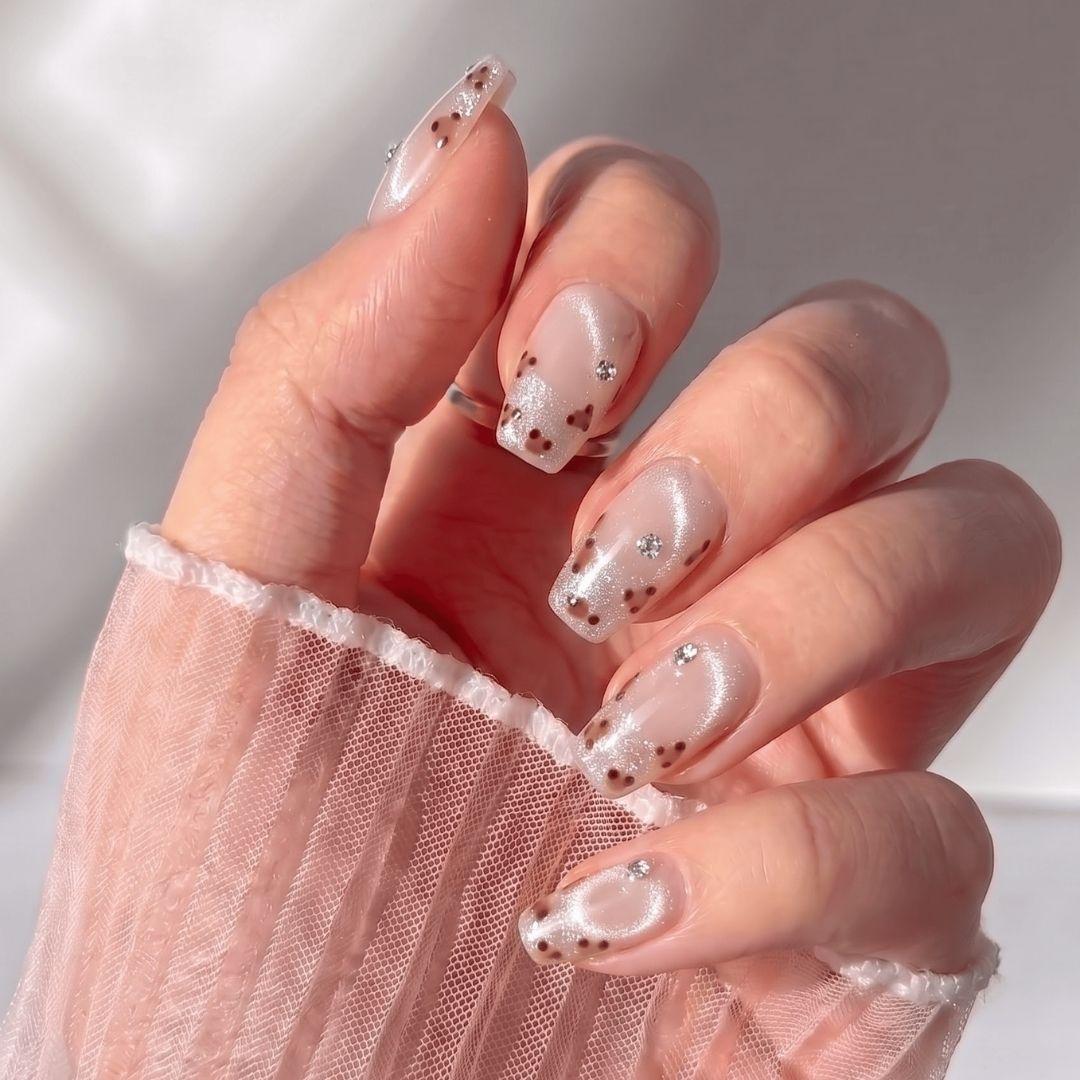
And when your hands are hydrated and your nails are properly prepped, EyeCandys handmade press-on nails are an easy way to add a polished finishing touch to your beauty look.
Hydrated hands and properly prepped nails make press-on application smoother and longer-lasting.
Your nails deserve the good stuff.
EyeCandys handmade press-on nails — salon gel finish, damage-free removal, up to 3 weeks of wear.