
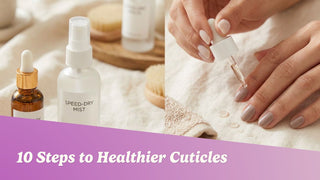
Cuticles may be small, but they make a big difference in how your nails look.
When the skin around your nails is dry, cracked, peeling, or over-trimmed, even a fresh manicure can look a little unfinished. Healthy-looking cuticles help your nails look cleaner, smoother, and more polished, whether you are wearing bare nails, polish, gel, or handmade press-on nails.
The good news is that cuticle care does not need to be complicated. Most of the time, it comes down to gentle care, consistent moisture, and avoiding habits that irritate the nail area.
The goal is not to remove every bit of cuticle. Your cuticle area helps protect the nail as it grows, so the real goal is to keep the skin soft, clean, moisturized, and comfortable.
Here are 10 simple steps to healthier-looking cuticles.
Why Cuticle Care Matters
Cuticle care matters because the skin around your nails helps protect the nail area. When that skin gets dry, cracked, picked, or cut too aggressively, the nail area can become irritated or more vulnerable to discomfort.
A neat cuticle area can also make your manicure look better. Press-on nails, polish, and gel all look cleaner when the skin around the nail is smooth and cared for.
That does not mean you need to cut your cuticles aggressively or remove everything around the nail. In fact, gentle care is usually better. Mayo Clinic guidance recommends rubbing moisturizer into the nails and cuticles, while the American Academy of Dermatology advises not cutting cuticles during manicures.
Healthy cuticle care should feel gentle. It should not hurt, sting, burn, or leave the skin around your nails sore.
Step 1: Keep Your Cuticles Moisturized
Healthy-looking cuticles start with hydration.
Dry cuticles are more likely to look rough, peel, crack, or snag. A daily cuticle oil, balm, or hand cream can help soften the skin around your nails and make the whole nail area look smoother.
The easiest way to make this habit stick is to apply moisturizer after washing your hands and again before bed. When you use hand cream, massage a little into the nails and cuticles instead of stopping at your knuckles.
Cuticle oil is especially helpful if your hands are often exposed to soap, sanitizer, dry air, cold weather, or water. Keep a cuticle oil pen or small hand cream near your bed, desk, bathroom sink, or in your bag so it is easy to reapply.

Step 2: Stop Cutting Too Much
Cutting too much around the cuticle area can do more harm than good.
It may be tempting to trim everything away for a “clean” look, but aggressive cutting can irritate the skin and leave the nail area feeling tender. It can also create more rough edges, which makes you want to keep trimming.
Instead, only trim obvious hangnails or loose pieces of dead skin if needed. Use clean tools, cut carefully, and avoid cutting living skin.
For most people, the best cuticle routine is not about removing more. It is about moisturizing more.
Step 3: Push Back Gently, Don’t Scrape
Gently pushing back the cuticle area can help nails look neater, but it should never feel painful.
The best time to do this is after softening the area with warm water, cuticle oil, or hand cream. Use a cuticle stick and gently guide the skin back. Do not dig, scrape, or force anything.
This step can be especially helpful before applying press-on nails because it helps create a cleaner-looking fit near the base of the nail. But gentle is the key word. If pushing back your cuticles hurts, you are doing too much.
Your cuticle prep should make the nail area look tidy, not irritated.

Step 4: Avoid Picking and Peeling
Picking at dry cuticles is one of those habits that can feel small in the moment but create a bigger problem later.
Peeling hangnails, biting the skin around your nails, or picking at rough edges can make the area more irritated. It can also create tiny breaks in the skin near the nail.
If your cuticles feel dry enough to pick at, they probably need moisture first.
Try keeping cuticle oil, balm, or hand cream nearby and apply that whenever you feel the urge to pick. You can also keep a small nail file or clean cuticle tool on hand to smooth rough edges safely instead of tearing at them.
The goal is to interrupt the habit before it turns into soreness.
Step 5: Wear Gloves for Dishes and Cleaning
Water, soap, and cleaning products can be tough on your hands and cuticles.
Repeated water exposure can dry out the nail area, especially when combined with dish soap, cleaning sprays, or harsh products. If your cuticles always feel worse after dishes, cleaning, gardening, or long water exposure, gloves can help.
Wear gloves when washing dishes, cleaning bathrooms, scrubbing surfaces, gardening, or handling products that may dry out your skin. Cotton-lined rubber gloves can be especially helpful because they protect your hands while keeping things more comfortable.
After you take the gloves off, apply hand cream or cuticle oil to bring moisture back to the nail area.
Step 6: Be Careful With Nail Products
Some nail products can irritate the skin around the nails, especially if they touch the cuticle area.
Polish, gel, acrylic products, removers, adhesives, and glues should stay on the nail plate as much as possible, not on the surrounding skin. If a product causes burning, itching, redness, swelling, or discomfort, stop using it and give the area a break.
When applying press-ons, place adhesive on the natural nail, not on the cuticle or surrounding skin. This helps the press-on sit better and keeps the skin around the nail from getting sticky, irritated, or messy.
A cleaner application also makes the finished manicure look more polished.
Step 7: Don’t Skip Nail Prep Before Press-Ons
Cuticle care can help press-on nails look better, but prep should still be gentle.
Before applying press-ons, start with clean, dry nails. Gently push back the cuticle area, lightly buff only if needed, and wipe the nail plate with alcohol to remove oils or residue. Then choose the correct press-on size for each nail.
Avoid over-prepping. Do not aggressively buff the nail plate, cut too much skin, or apply press-ons if the cuticle area is irritated, painful, swollen, bleeding, or not healing.
A smooth cuticle area can help press-ons look more natural, but healthy skin comes first.

Step 8: Remove Manicures Gently
Harsh removal can irritate the cuticle area and weaken the look and feel of your nails.
Do not rip off press-ons, peel gel polish, pry off acrylics, or force anything that is not ready to come off. Picking or peeling can disturb the nail surface and tug at the skin around the nail.
For press-ons, soak your nails in warm, soapy water until the adhesive begins to loosen. Then gently lift from the side with a cuticle stick. If the nail does not come off easily, soak longer instead of forcing it.
After removal, moisturize your hands and cuticle area. This is a great time to apply cuticle oil because the nail area may feel dry after wear and removal.
Step 9: Make Cuticle Care a Nightly Habit
Cuticle care works best when it becomes automatic.
You do not need a long routine. Before bed, apply cuticle oil or hand cream and massage it into the skin around each nail. That small step can make your nails look more cared for by morning.
Nighttime is a great moment for cuticle care because your hands are resting. You are not immediately washing them, touching your phone constantly, or applying makeup. The product has more time to sit and soften the area.
Keep your cuticle product somewhere obvious so you remember to use it. If it is hidden in a drawer, it is easy to forget. If it is next to your bed or on your desk, it becomes part of your routine.
Step 10: Know When to Leave Them Alone
Sometimes the healthiest thing you can do for your cuticles is leave them alone.
If the skin around your nails is painful, swollen, red, bleeding, infected, or not healing, skip cosmetic products and avoid trimming or pushing the area. Nail infections can happen when bacteria enter broken skin near the cuticle or nail fold, and symptoms can include redness, pain, tenderness, swelling, or pus.
You should also be cautious if the nail is lifting, changing color, thickening, crumbling, or separating from the nail bed. Those changes are worth checking with a professional before applying more products.
Cuticle care should never feel aggressive. If something hurts, pause.
How Healthy Cuticles Help Press-On Nails Look Better
Healthy-looking cuticles can make press-on nails look cleaner and more natural.
When the skin around the nail is dry, rough, or overgrown, press-ons may not sit as neatly near the cuticle. A smooth, moisturized nail area can help the finished manicure look more polished.
Timing matters, though. Cuticle oil is great for daily care, but avoid applying oil right before press-ons. Oils can interfere with adhesive, so your nails should be clean and dry before application.
Use cuticle oil regularly as part of your routine, then wipe the nail plate clean when it is time to apply your press-ons. That gives you the best of both worlds: hydrated-looking cuticles and a cleaner press-on application.
A Simple Cuticle Care Routine
A good cuticle routine does not need to be complicated.
Daily, moisturize after washing your hands and before bed. Massage hand cream, balm, or cuticle oil into the skin around the nails.
Before manicures, gently push back the cuticle area only after softening it. Wipe the nail plate clean before applying polish, gel, or press-ons, and avoid getting product on the surrounding skin.
After removing a manicure, give your nails and cuticles a little extra care. Clean the area gently, apply moisture, and avoid picking at anything that feels dry or rough.
Consistency is what makes the difference.
Final Takeaway: Healthier Cuticles Come From Gentle Care
Healthier-looking cuticles come from moisture, patience, and gentle habits.
Keep the area hydrated. Avoid cutting too much. Push back gently instead of scraping. Stop picking and peeling. Wear gloves for dishes and cleaning. Remove manicures carefully. Leave irritated or painful skin alone.
With EyeCandys handmade press-on nails, a little cuticle care can help your manicure look cleaner, smoother, and more polished. Just remember that nail prep should always be gentle, and press-ons should only be applied to nails and skin that feel healthy enough for wear.
For more nail tips and tricks, check out the EyeCandys blog for guides on press-on application, safe removal, nail shapes, and building your perfect nail wardrobe.
Related Reading
- Prom Nail Ideas
- Summer Nail Trends: Beachy Vibes
- Graduation Nail Looks With EyeCandys Gel Stickers
- Travel-Friendly Beauty: Gel Nail Stickers
- Tips for Winter Hands


Healthy Cuticles, Better Press-Ons
With EyeCandys handmade press-on nails, a little cuticle care can help your manicure look cleaner, smoother, and more polished. Just remember that nail prep should always be gentle, and press-ons should only be applied to nails and skin that feel healthy enough for wear.