



How Much Do Contact Lenses Cost? What You Should Expect to Pay
Introduction
Contact lenses are a convenient and comfortable alternative to glasses, offering a flexible way to correct your vision—without changing your look. But if you’ve ever found yourself confused by the wide range of prices, you’re not alone.
Whether you wear contacts every day or just for special occasions, understanding what affects the cost can help you make informed choices and avoid overpaying. From lens type and material to prescription needs and added features, this guide breaks down everything you need to know about the true cost of contact lenses—and how to save.
What Factors Affect the Cost of Contact Lenses?
The cost of contact lenses isn’t one-size-fits-all. Several factors can influence how much you’ll pay, both upfront and over time.
Lens Type
Different replacement schedules come with different price tags.
-
Daily Disposable Lenses: These are designed for one-time use—pop them in, toss them at the end of the day. They're great for hygiene and convenience but tend to cost more in the long run.
-
Bi-Weekly and Monthly Lenses: These reusable lenses need daily cleaning and proper storage but offer better long-term value for regular wearers.
Lens Material
Comfort, breathability, and cost all come down to the materials.
-
Hydrogel Lenses: These are usually more affordable but may offer less oxygen permeability, which can be a drawback for extended wear.
-
Silicone Hydrogel Lenses: These allow more oxygen to reach your eyes and are often recommended for daily wearers.
-
MPC (Methacryloyloxyethyl Phosphoryl Choline) Lenses: Known for superior hydration and comfort, these tend to fall on the higher end of the price spectrum.
Prescription Complexity
Your unique vision needs can affect cost.
-
Toric Lenses for Astigmatism and Multifocal Lenses for presbyopia involve more intricate designs and manufacturing processes, so they’re priced higher than standard spherical lenses.
Brand
As with most products, name recognition affects pricing.
-
Top-tier brands like Acuvue, Bausch + Lomb, and Alcon may cost more than store-brand or lesser-known alternatives, though they often come with a reputation for reliability, comfort, and advanced features.
Coloured vs. Clear Lenses
Fashion-forward wearers, take note.
-
Coloured contact lenses—especially those with natural-looking pigmentation and FDA/CE-approved safety—often cost more than clear ones due to the extra steps involved in their production.
Average Prices You Can Expect
Here’s what you can expect to pay based on the type of lenses and your prescription needs. (Note: All prices are in USD and are estimates based on typical online and retail costs.)
Daily Disposable Lenses
-
Cost per lens: $1.00–$2.50
-
Monthly estimate: $30–$75 (based on one pair per day)
These are the most convenient and hygienic but carry a higher recurring cost.
Bi-Weekly Lenses
-
Cost per box (6 lenses): $25–$50
-
Lifespan: A box for each eye usually lasts 6 weeks
A great middle ground for those who want better value without daily replacements.
Monthly Lenses
-
Cost per box (6 lenses): $30–$60
-
Lifespan: Replace each lens once a month
Monthly lenses often provide good value and durability, especially for daily wearers.
Specialty Lenses (Toric, Multifocal)
-
Additional cost: 10–50% more than standard lenses
These customized lenses require more advanced design and testing, reflected in the price.
Coloured Contact Lenses
-
Price bump: $5–$15 more per box
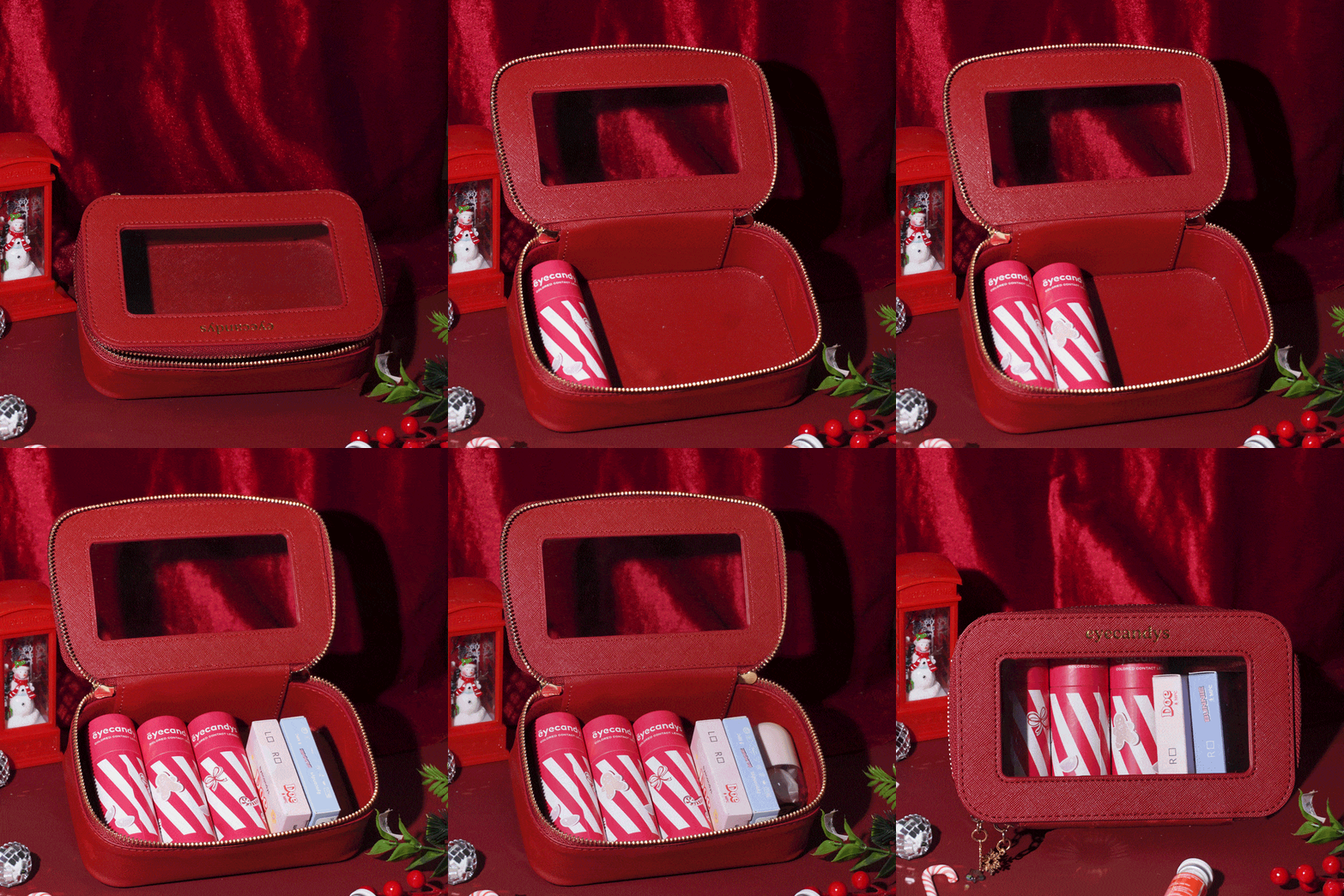
High-quality coloured lenses, like those from EyeCandys, are designed for both comfort and safety while delivering a stylish impact.
Additional Costs to Keep in Mind
Your lens cost is just part of the equation. Here are a few additional expenses to consider:
-
Eye Exams and Fittings: A contact lens exam (which includes a fitting) typically ranges from $75 to $150, depending on your provider and location.
-
Lens Care Products: If you're not using dailies, expect to spend $5–$15 per month on cleaning and storage solutions.
-
Shipping Fees: Some online retailers offer free shipping over a certain amount—others may charge extra.
-
Replacements: Losing or damaging a lens (especially a yearly or specialty pair) could mean a costly one-off replacement.
Are More Expensive Lenses Worth It?
In many cases, yes. Here’s why:
-
Greater comfort: Especially for people with dry eyes, allergies, or long screen time.
-
Healthier wear: High oxygen transmission reduces the risk of infections and keeps your eyes healthier long-term.
-
Added perks: Features like UV protection, blue-light filtering, or moisture retention make a difference for daily wearers.
If you wear contacts every day or have specific eye health concerns, upgrading to premium lenses could be well worth the investment. For occasional wearers, however, more budget-friendly options may be just fine.
How to Save Money on Contact Lenses
Looking for ways to cut costs without cutting corners? Try these smart shopping tips:
-
Buy in bulk: Ordering a 6- or 12-month supply often comes with a discount.
-
Look for rebates and coupons: Brands frequently offer cash-back deals or seasonal promotions.
-
Shop around: Compare prices from trusted retailers to find the best deals.
-
Consider subscription services: Auto-ship programs can lower the price and save you trips to the store.
-
Try EyeCandys own-brand coloured lenses: Stylish, safe, and often more affordable than luxury name brands—with no compromise on quality.
FAQs About Contact Lens Costs
Are Coloured Contacts More Expensive Than Clear Ones?
Yes, coloured lenses usually cost a bit more. That’s because of the extra steps required to embed pigments safely while maintaining clear, comfortable vision.
Are Glasses Cheaper Than Contacts in the Long Run?
Typically, yes. Glasses come with a higher upfront price, but you don’t need to replace them nearly as often or purchase extra care products. Contacts, on the other hand, have ongoing replacement and maintenance costs—especially if worn daily.
How Much Does a Contact Lens Eye Exam Cost?
An exam tailored for contact lens wear usually costs $75 to $150, depending on location and the complexity of your prescription. This often includes a lens fitting and follow-up visit, which are crucial for comfort and safety.
Final Thought:
Contacts offer freedom and flexibility, but knowing what you’re paying for is key to getting the best value—without sacrificing your vision health or comfort. Whether you go for daily disposables, stylish coloured lenses, or specialty options, understanding the cost breakdown puts you in control of your eye care.
Ready to explore stylish coloured contacts? Check out EyeCandys contact lens collection for affordable, high-quality options trusted by beauty lovers and cosplay fans worldwide.