
Introduction
Prescription colored contacts offer the perfect combination of fashion and function. They allow you to change or enhance your eye color while correcting your vision, making them a versatile choice for those who want both clear vision and a unique look. However, with so many options on the market, choosing the right pair can feel overwhelming. In this guide, we’ll walk you through the essential factors to consider when selecting prescription colored contacts to ensure you achieve both style and comfort.
Understanding Prescription Colored Contacts
Prescription colored contacts are designed for people who need vision correction but also want the option to change their eye color. These lenses come with corrective powers just like regular contact lenses, but they also have a pigmented layer that overlays your natural iris, transforming or enhancing your eye color.
Types of Prescription Colored Contacts
There are several types of prescription colored contacts available, each designed to suit different needs:
- Daily, Monthly, and Extended Wear Options: Some lenses are disposable and meant for daily use, while others can be worn for up to a month with proper cleaning. Extended wear options allow you to wear them for longer periods without removal.
- Toric Lenses for Astigmatism: If you have astigmatism, you’ll need toric colored lenses, which are specially designed to address this condition while adding color to your eyes.
- Multifocal Lenses for Presbyopia: These lenses provide multiple prescription powers in one lens, allowing those with presbyopia to see clearly at all distances, while still enjoying the aesthetic benefits of colored contacts.
Factors to Consider When Choosing Prescription Colored Contacts
Choosing the right pair of prescription colored contacts involves more than just picking a color. Here are the key factors to consider:
1. Lens Opacity and Color Options
The opacity of your lenses will determine how much they change your eye color, and understanding this will help you select lenses that best suit your style and natural eye color. You can also check Why Do Coloured Contacts Look Fake? Tips for a More Natural Appearance to ensure your lenses look realistic and flattering.
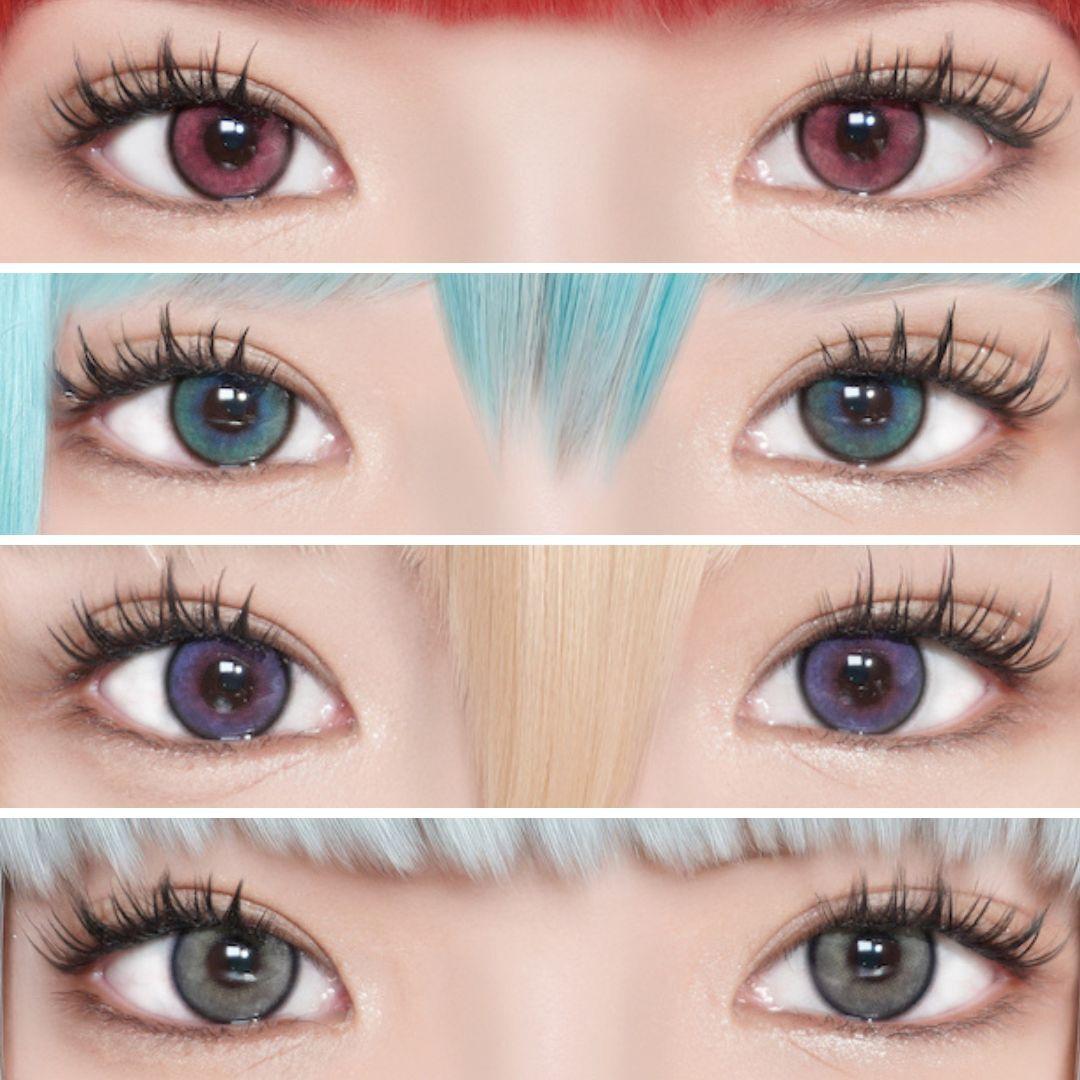
• Enhancers vs. Opaque Lenses: Enhancer lenses add a subtle tint to your natural eye color and work best for those with lighter eyes who want a slight enhancement. Opaque lenses, on the other hand, have a solid layer of color and are ideal for dark eyes, as they fully cover the natural color for a more dramatic change.
• Color Selection: Consider choosing colors that complement your skin tone and hair color. For instance, blue or grey lenses often suit those with cool undertones, while hazel or green can look stunning on individuals with warm undertones. It’s helpful to try different shades to see what works best with your unique features.
2. Comfort and Material Quality
Comfort is essential for long-term wear, and the material of the lenses plays a significant role in comfort and eye health.
• Hydration and Oxygen Permeability: Lenses with high water content help keep your eyes hydrated throughout the day, reducing the chances of dryness and irritation. Look for lenses that are highly breathable, as this allows more oxygen to reach your eyes, promoting comfort.
• Lens Thickness: Thinner lenses generally provide a more comfortable wearing experience, especially for those new to contacts. Lightweight lenses are easier to adjust to and can help reduce irritation from prolonged wear.
3. Vision Correction Needs
Prescription colored contacts are available in a range of corrective strengths, so be sure to match your prescription accurately.
• Prescription Strengths: It’s essential to ensure that your prescription is accurately applied to your colored contacts. This allows you to enjoy clear vision without compromising on color.
• Special Needs (Astigmatism, Presbyopia): If you require specialized lenses like toric or multifocal lenses, make sure the colored contacts you select meet these requirements. Not all colored lenses offer these options, so check with your eye care provider for recommendations.
4. Brand Reputation and Certification
Choosing a reputable brand is crucial when it comes to prescription colored contacts, as low-quality lenses can harm your eye health.
• FDA Approval and Certification: Look for brands with FDA approval or certification from trusted health organizations, as these indicate high standards of quality and safety.
• Trusted Brands: Consider choosing from well-known brands in the contact lens industry, as they are more likely to provide high-quality products that are safe and comfortable.
Additional Tips for Selecting the Right Colored Contacts
Consult an Eye Care Professional
Always consult an optometrist or eye care professional before purchasing colored contacts, especially if you’re new to wearing them. A professional fitting ensures that the lenses fit properly and helps you avoid complications like irritation or infection. Your eye care provider can also provide guidance on colors that will look most natural with your features. You can also learn more about Are Colored Contacts Haram? What the Quran and Hadith Say to ensure your choices align with personal or religious considerations.
Trying Samples or Virtual Try-On Tools
Many contact lens providers offer sample lenses or virtual try-on tools to help you see how different colors look on your eyes. Testing lenses can help you choose the color that suits you best, and learn how to transition your look from day to night with colored contacts for versatility and style.
Maintenance and Care Requirements
Proper care is essential to extend the life of your lenses and keep your eyes healthy. Clean your lenses with a recommended contact lens solution, avoid using water or saliva, and store them in a clean case. Following these guidelines can prevent infections and keep your lenses in top condition.
Conclusion
When it comes to picking the right prescription colored contacts, there’s more to consider than just color. Factors like lens opacity, comfort, vision correction needs, and brand reputation all play a role in selecting a safe and stylish pair. With the right prescription colored contacts, you can enjoy clear vision and a stunning new look. Don’t forget to consult with an eye care professional for a fitting, and explore different colors to find the lenses that best match your style and personality. For those curious, learn Is There Such Thing as a Permanent Eye Color Change? to understand how temporary colored contacts differ from permanent options.