A Pennsylvania woman went for a routine nail appointment. Days later, surgeons were discussing whether to amputate her fingertip. A Florida woman was cut during a pedicure and later fell into a coma. A Maryland father lost his entire lower left leg after a single pedicure nick led to years of progressive bone infection.
These are not freak accidents. They are part of a documented pattern that spans both professional salons and the at-home gel kits sitting in millions of Amazon carts right now. Two categories of risk, two very different entry points, but one consistent result when things go wrong: damage that takes months or years to fully understand, if it can be reversed at all.
Here is what is actually happening, why it is becoming more common, and what the research says about reducing risk without abandoning your nail routine entirely.
Part 1: DIY Nails and the Reactions Nobody Warned You About
How At-Home Gel Kits Went Mainstream
The first wave of at-home manicures arrived during the pandemic, when nail salons closed almost overnight and people improvised. The second wave came years later when inflation made regular salon visits genuinely unaffordable for a large portion of the population. By then, gel polishes, acrylic powders, and UV curing lamps were widely available on Amazon, marketed as salon-quality, beginner-friendly, and safe to use without any training.
For millions of people, the results looked great. For a significant subset, the results were something else entirely.
What the Reactions Look Like
The symptoms that have been flooding TikTok and dermatology forums for the past several years follow a recognizable pattern. Swelling and burning around the nails, sometimes within hours of a gel application. Redness and itching that spreads beyond the fingertips to the face, eyes, and anywhere skin comes into contact with hands. Blistering, cracking, and the feeling of a rubber band cinched tight around each fingertip. Nail plates separating from the nail bed. In severe cases, bloody fingertips and complete nail loss.
What makes these reactions particularly disorienting is how delayed and unpredictable they can be. Someone can use the same gel system for years with no issues whatsoever, then one day cross an invisible threshold and react severely to a product they have used dozens of times before.

Two Types of Reactions — and Why One Is Permanent
Understanding what is happening chemically requires separating two distinct conditions.
Irritant contact dermatitis
Irritant contact dermatitis is the less serious of the two. It occurs when skin is overwhelmed by something physically or chemically harsh: over-drying from acetone, friction from aggressive filing, or direct chemical irritation from uncured product on skin. It stings, cracks, peels, and feels raw. But if you identify and remove the irritant, the skin can recover fully over time.
Allergic contact dermatitis (ACD)
Allergic contact dermatitis (ACD) is the one that changes things permanently. ACD is not about the skin being overwhelmed. It is about the immune system being trained to attack a specific chemical. Once that training happens, it cannot be untrained. Even a trace exposure to the same allergen can trigger a full reaction. The allergy can develop after a single exposure or after years of use with no symptoms. There is no safe threshold once sensitization is established.
According to a 2024 retrospective study published in Contact Dermatitis (Steunebrink et al., Amsterdam UMC), 67 women were diagnosed with ACD from nail cosmetics over an eight-year period, representing 2.3% of all women patch-tested at that clinic. Patient numbers increased year-over-year from 2020 onward. A Hungarian retrospective study of 2,005 patch-tested patients found 3.7% were positive for at least one acrylate, with 86.5% of those patients being women and hands being the most commonly affected site (70.3%).
The Chemical at the Center of It All
Acrylates and HEMA
Most gel nail systems are built on a family of chemicals called acrylates and methacrylates. The most common and most studied sensitizer is 2-HEMA (2-hydroxyethyl methacrylate). Acrylates were designated the Contact Allergen of the Year by the American Contact Dermatitis Society in 2012, and rates of sensitization have risen steadily since gel nails went mainstream.
These chemicals start as liquids. They are only inert and safe after they fully polymerize under a UV lamp, which converts reactive monomers into stable polymer chains that no longer penetrate skin. The problem is that this process can fail in multiple ways.
Undercuring is the most common point of failure. If gel is applied too thick, floods onto the skin around the nail, or does not receive adequate UV exposure, the monomers remain in their reactive liquid form and absorb directly into living skin. Each exposure to uncured acrylate is an opportunity for the immune system to learn to recognize it as a threat.
A 2025 lab study confirmed that even gel that appears fully cured retains a partially uncured surface layer due to oxygen in the air. The oxygen inhibits the final polymerization step, leaving reactive monomers on the outermost surface. This risk is higher with lower-quality products that lack sufficient photo initiators to drive the reaction to completion despite oxygen interference.
Why DIY Makes This Worse
Professional nail technicians are trained to keep product off surrounding skin, apply in thin layers, and monitor curing time and lamp output. Beginners learning from tutorials typically do none of these things at first. Thick layers that look fully cured on the surface can remain entirely uncured underneath. And gel flooding the cuticle line is exactly where reactive monomer contact needs to be avoided.
One specific DIY trend demonstrated this failure mode clearly. Beginners began applying opaque press-on nails using gel glue, then curing the whole thing under a UV lamp. UV light cannot penetrate through a non-transparent surface. The gel cures around the visible edges, but the center, sitting directly against the nail bed, remains completely liquid. The result is prolonged direct skin contact with uncured acrylate monomers, not as a brief accident, but for the entire duration of wear.
Adhesive-tab press-ons avoid this entirely. No liquid gel. No UV curing. No acrylate monomer contact with skin.
The Beetles Case Study
No brand has attracted more scrutiny in this space than Beetles. Despite a large and predominantly positive Amazon review base, the brand accumulated a substantial volume of adverse reaction complaints with photographic evidence across TikTok, Reddit, and dermatology forums.
The initial assumption from consumers was that Beetles contained unusually high levels of HEMA. Licensed nail technician Haley analyzed their Safety Data Sheet and found that was not the issue: HEMA was listed at 10 to 15%, which falls within the acceptable industry range (the concern threshold begins around 25 to 30%).
The actual problem was the photo initiator content. Photo initiators are the ingredients that trigger the curing reaction when the gel is exposed to UV light. Without enough of them, gel will not cure properly regardless of lamp time. Industry standard for photo initiators is a minimum of 1%, with most professional-grade products between 1 and 10%. Beetles SDS listed photo initiator content at 0 to 0.085%, not approaching the minimum threshold.
The consequence: a gel that looks set but contains large amounts of uncured monomers free to absorb into skin.
Around the same time the complaint volume became visible, Beetles SDS documents were removed from their website. The replacement documentation showed version one of the formula, not version two, which is what should appear after a genuine reformulation. Whether the formula was actually improved or whether only the documentation changed has not been publicly confirmed.
The broader lesson from Beetles is not about one brand. There is currently no requirement in the United States to disclose photo initiator content to consumers, no mandatory minimum standard for over-the-counter gel products, and no warning labels on at-home gel kits about the risk of sensitization. The European Union restricted HEMA-containing nail products to professionals in 2020. The US has no equivalent regulation.

The Allergy That Follows You Everywhere
Acrylate sensitization from nail products would be manageable if the allergy stayed confined to nail products. It does not.
The same chemical families used in gel polish appear across a wide range of products and medical contexts. A 2024 analysis published in the Journal of the American Academy of Dermatology (Axler and Lipner) identified 33 distinct cross-reactivity contexts beyond nail cosmetics, including dental fillings, crowns, and veneers; joint and vertebral replacements; bone cement used in orthopedic surgery; surgical adhesives used to close skin during suturing; insulin pumps and glucose sensors; intraocular lenses used in cataract surgery; EKG electrode adhesives; transcutaneous electrical nerve stimulator pads; eyelash and hair extension glues; dermal fillers; and hearing aids.
This is what makes an acrylate allergy from gel nails disproportionately life-altering. You are not just allergic to a beauty product. You are now allergic to components of routine dental work, common surgical procedures, and potentially critical medical devices. People who have developed this allergy describe informing their dentist before every filling (a special non-acrylate sealant must be ordered in advance), verifying surgical adhesive ingredients before any procedure, and reading ingredient labels on products most people never think twice about.
For those already sensitized, there is no treatment that reverses the allergy. Management is entirely avoidance-based.
The UV Aging Problem
The gel curing process introduces a second, separate risk that sits entirely apart from the allergy question: cumulative UVA exposure.
The lamps used to cure gel nails emit UVA radiation, the same wavelength responsible for photoaging and associated with elevated skin cancer risk. The exposure per session is brief, but for someone getting gel manicures every two to three weeks over years or decades, the cumulative dose on the dorsal hands is meaningful and measurable.
The difference is visible without any equipment. Compare the skin at the tips of your fingers to the skin on your toes, which is typically covered. For regular gel users, the textural difference between these two areas is often dramatic: premature fine lines, loss of elasticity, and a rough or pebbled texture around the nails that is not present on the feet.
Case reports in the dermatology literature have linked long-term UV nail lamp use to squamous cell carcinoma on the dorsal hands, including a 55-year-old patient with a 15-year history of UV nail lamp use and a 48-year-old patient who developed four SCCs on the dorsal hands following frequent use.
The American Academy of Dermatology recommends applying broad-spectrum SPF sunscreen to hands before gel curing appointments, or wearing UV-blocking fingerless gloves during curing. Choosing a nail format that does not require UV curing sidesteps the exposure entirely.
Part 2: When the Salon Chair Is the Problem
If the DIY risks are concerning enough to make you want to leave nails to professionals, the second half of this picture is harder to read.
Some of the most severe nail-related injuries on record did not start with a YouTube tutorial or an Amazon kit. They started in a professional salon chair.
The Ashley Christmas Case
Ashley Christmas, a Pennsylvania mother known online as @ashthegoddess09, went for a routine manicure. A few days later, her right middle finger began tingling. Within a short time, it was swollen enough that she could not move it and described the pain as severe enough to make her cry.
She went to the emergency room, was transferred to a hand specialist at a second hospital, and was placed on antibiotics at both locations. The antibiotics did not work. The doctor made an incision to drain the infection. Her fingertip and nail blackened. The incisions were packed rather than sutured and had to be redressed multiple times daily. She was readmitted for a second drainage procedure.
At that point, the doctor raised the possibility of amputating the tip of her finger. Ashley ultimately kept her finger, but her recovery left her unable to use her right hand normally, unable to do dishes, unable to pick things up, unable to work in certain capacities. She declined the salon settlement offer of $5,000 and is pursuing legal action. Her message: make sure the salon is sanitizing its tools.
Other Cases on Record
Gaitri Singh, a regular client at Lulu Elegance in Toronto, went in for a shellac pedicure. Weeks later, a surgeon amputated the large toe on her right foot after an infection reached exposed bone and could not be cleared with antibiotics.
In Florida, Lisa Scarboro was cut by scissors during a pedicure at La Mer Nail Salon. The resulting infection sent her into a coma. Surgeons amputated part of one foot and removed the toes of the other.
Glenn Morris, a father from Maryland, received a small cut during a pedicure. That cut introduced a bone infection that could not be fully cleared. His second toe was removed first. Then his big toe in 2018. Then his third toe in 2019. By January 2025, the infection had spread to the point where surgeons amputated his entire lower left leg.
In Florida, Clara Shelman received a below-knee amputation after being cut during a pedicure at Tammy Nails. She filed suit against the salon and was awarded a $1.75 million settlement.
What Creates the Infection Risk
Nail services involve direct contact with skin and cuticles, tools that move between clients, and footbath equipment that is notoriously difficult to sterilize completely. Any breach in the skin surface, including micro-cuts from cuticle work, file abrasion, or accidental nicks from scissors, creates an entry point for bacteria present on improperly sanitized tools.
The most dangerous pathogens in this context include MRSA (methicillin-resistant Staphylococcus aureus), nontuberculous mycobacteria found in footbath water, and standard staph and strep species that can escalate rapidly. MRSA infections are particularly dangerous because standard antibiotic courses may not clear them, allowing the infection to progress to bone and tissue destruction. A 2017 Rutgers University study published in the Journal of Chemical Health and Safety found that 52% of frequent nail salon visitors (3 or more visits per year) reported experiencing some form of skin infection.

How to Protect Yourself Without Giving Up Nails
If You Go to a Salon
The risk at a salon is not unavoidable, but it requires active management from the client.
Before you sit down, ask how tools are sterilized. Steam autoclaving is the gold standard. UV light cabinets and chemical soaks are disinfection, not sterilization, meaningfully less effective. Pedicure basins should have a fresh disposable liner installed for your appointment. Technicians should wear gloves and should not share tools between adjacent workstations.
Do not let anyone cut your cuticles. Cuticle trimming is the most common source of micro-cuts that lead to infection. The AAD recommends pushing cuticles back, not cutting them. If a technician reaches for nippers, ask them to stop.
Bringing your own sanitized tools is the most reliable way to eliminate the cross-contamination variable entirely. A basic set kept in a sealed bag used only for your own appointments removes the single biggest infection risk factor.
If your finger or toe shows increasing swelling, warmth, redness, or any pus within 24 to 48 hours of a nail appointment, get medical attention the same day. Early antibiotic intervention is significantly more effective than late intervention.
If You Do Gel at Home
Apply in thin layers. Every layer needs UV to penetrate all the way through. Thick applications trap uncured material in the interior.
Keep gel off skin. The periungual skin around the nail is where sensitization happens. Clean any flooding from the cuticle line before curing, not after.
Check your product Safety Data Sheet before buying. Photo initiator content should be at minimum 1%. If a brand SDS is unavailable, that absence itself is informative.
Never attempt to UV-cure gel through an opaque press-on nail. The UV light cannot penetrate a non-transparent surface. The gel will cure at the edges and remain liquid underneath, sitting directly on your nail bed.
Or Skip the Risk Entirely
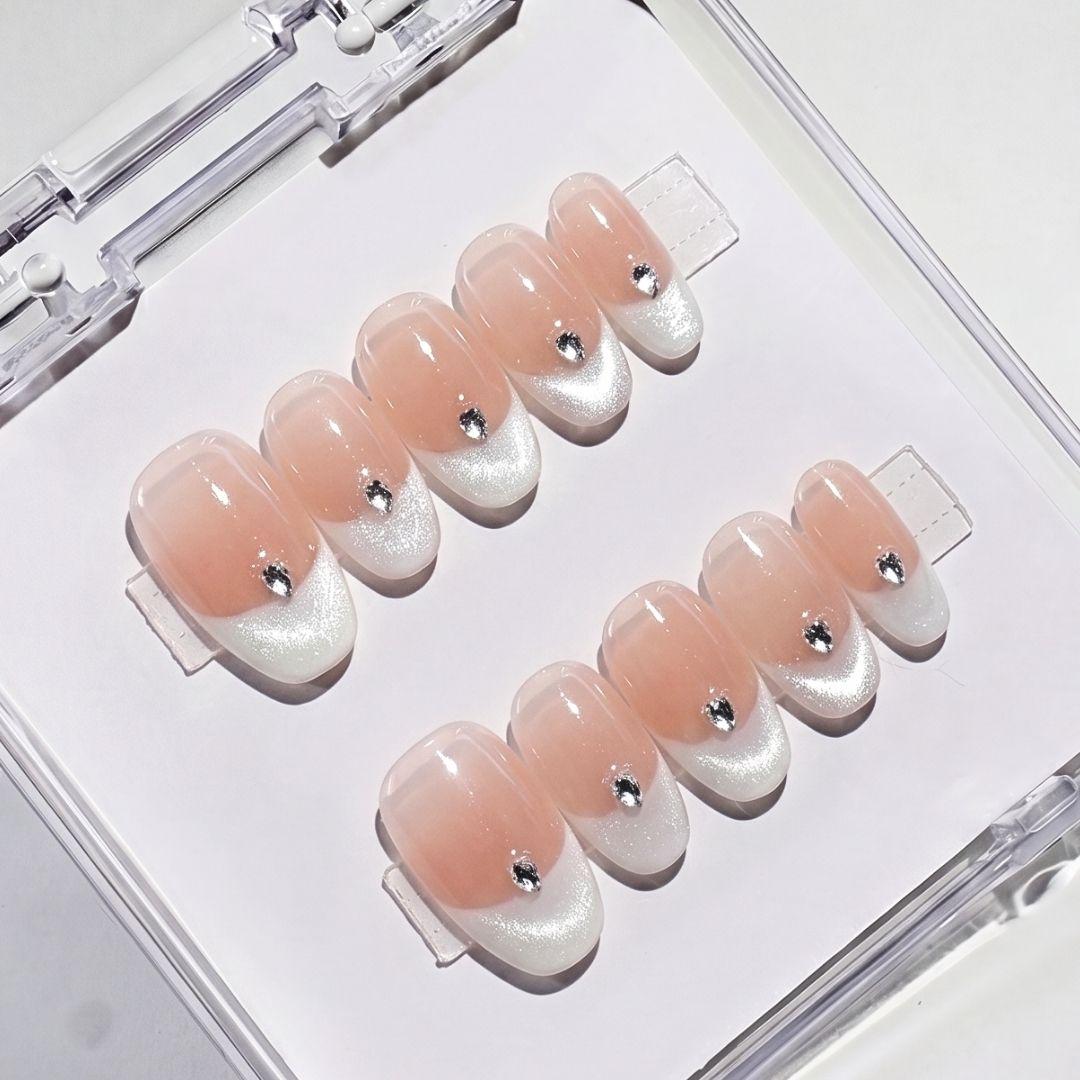
Adhesive-tab press-on nails eliminate the three primary risk vectors covered in this article: no UV lamp exposure, no liquid acrylate monomers in contact with skin, and no salon sanitation dependency. You control the tools, the environment, and the application. There is no curing step. Removal is mechanical rather than chemical.
Short press-on styles aligned with the AAD-recommended 2 mm overhang also sidestep the nail bed stress associated with long extensions, covered in detail in the companion articles in this cluster.
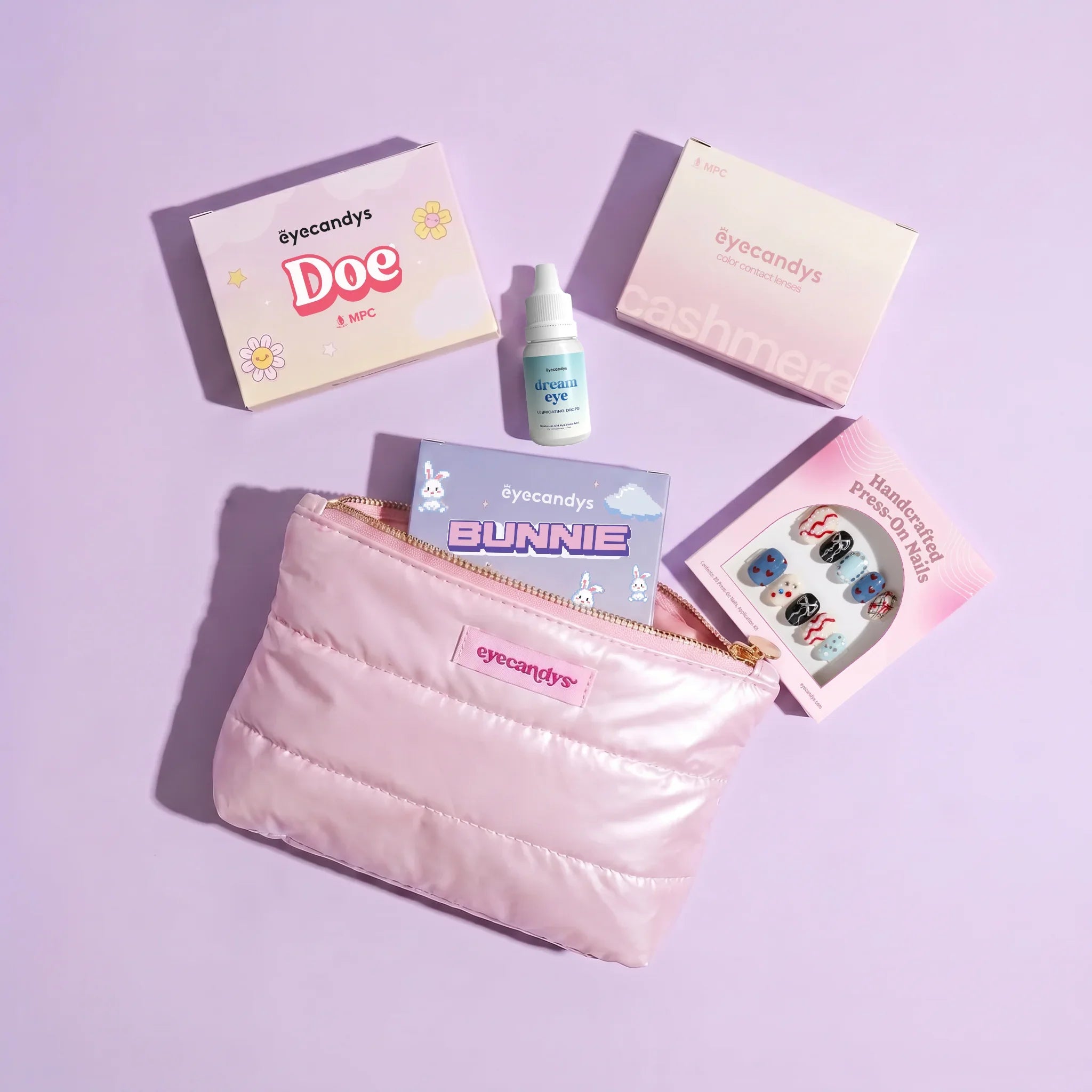
Adhesive tab press-ons are also available in short styles from EyeCandys, sized for the AAD-recommended overhang.


Frequently Asked Questions
Can you develop a gel nail allergy after years of use with no problems?
Yes, and this is one of the most disorienting aspects of acrylate sensitization. The allergy can build through repeated subclinical exposures, each one priming the immune system further, until a threshold is crossed and a full reaction occurs. There is no way to predict when this will happen, and there is no relationship between how many years you have used a product without issue and how likely you are to react in the future.
What is HEMA and why is it in gel polish?
HEMA (2-hydroxyethyl methacrylate) is an acrylate monomer that provides adhesion and flexibility in gel formulas. It is one of the most widely used ingredients in gel nail systems, eyelash extension glues, dental adhesives, and bone cement. In gel polish, it is safe after full polymerization under UV light. In its uncured state, it is one of the most common cosmetic sensitizers currently in clinical use.
Can you get a serious infection from a nail salon?
Yes. Bacterial infections acquired during nail services can escalate to MRSA, sepsis, and bone infection if not treated early. A 2017 Rutgers University study published in the Journal of Chemical Health and Safety found that 52% of frequent nail salon visitors (3 or more visits per year) reported experiencing some form of skin infection. The amputation cases described in this article are on the severe end of the documented range but are not isolated incidents.
Are UV nail lamps bad for skin?
They emit UVA radiation, which accumulates over repeated sessions and contributes to photoaging and, in long-term heavy users, has been associated with squamous cell carcinoma on the dorsal hands in published case reports. The risk per individual session is low. The risk from years of biweekly or monthly exposure is meaningfully higher. The AAD recommends SPF application to hands before any gel curing appointment.
What should I do if my finger swells after a manicure?
Seek medical attention within 24 to 48 hours of any increasing swelling, warmth, redness, or pain following a nail service. Do not wait for pus or visible infection to develop. Early antibiotic intervention is significantly more effective than late intervention, and a minor infection left untreated can reach bone within days.
Are press-on nails with adhesive tabs safer than gel or acrylic?
For the specific risks discussed in this article, acrylate sensitization and salon-acquired infection, yes. Adhesive-tab press-on nails involve no liquid acrylate monomers, no UV curing, and no salon equipment contact. They are not entirely risk-free: improper removal can cause mechanical damage to the nail plate. But they bypass the two primary injury mechanisms covered here.
How do I know if a gel brand is formulating safely?
Request or look up the brand Safety Data Sheet (SDS). Photo initiator content should be at or above 1%. HEMA content below 25 to 30% is within the accepted range. If an SDS is unavailable, that absence itself is informative. Brands with transparent formulation disclosure are lower risk than those without.

Sources
- Steunebrink IM, de Groot A, Rustemeyer T. Contact allergy to acrylate-containing nail cosmetics: a retrospective 8-year study. Contact Dermatitis. 2024;90(3):262-265.
- Axler EN, Lipner SR. Unveiling an acrylate allergy epidemic: analysis of dermatologic findings associated with at-home gel nails on TikTok. JAAD. 2024.
- Hungarian retrospective study of acrylate sensitization in 2,005 patch-tested patients. PMC 2024.
- PMC literature review: adverse effects of DIY nail cosmetics. PMC11147520. 2024.
- Rutgers University. Prevalence of skin conditions among nail salon visitors. Journal of Chemical Health and Safety. 2017.
- American Academy of Dermatology. Nail health guidelines. aad.org.
- OSHA. Health hazards in nail salons: biological hazards. osha.gov.
- European Union. Restriction of HEMA-containing nail products to professional use only. 2020.
Skip the Risk, Keep the Nails
EyeCandys press-on nails apply in minutes with gentle adhesive tabs and remove just as easily. Choose your favorite set, apply, and go.