



Introduction
Most people book an eye exam to update their glasses or contact lens prescription. What many do not realise is that a comprehensive eye exam can reveal far more than vision changes alone. The eyes provide a unique, non-invasive view into blood vessels, nerves, and connective tissue, making them one of the most valuable tools in preventative healthcare.
As an optometrist, one of the most important parts of my role is identifying early signs of systemic disease and referring patients for further medical evaluation when needed. In many cases, ocular changes appear before a person experiences noticeable symptoms elsewhere in the body. This is why routine comprehensive eye exams are essential, even for people who believe their vision is “fine.”
What Is a Comprehensive Eye Exam?
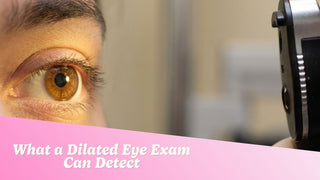
A comprehensive eye exam evaluates both vision and overall eye health. Unlike a basic vision screening, it assesses how well the eyes are functioning and whether there are signs of disease affecting the eyes or the body as a whole.
This type of exam typically includes a detailed medical and family history, refraction testing, eye movement assessment, measurement of eye pressure, and a thorough examination of the front and back of the eyes. Retinal imaging and optic nerve evaluation allow eye doctors to detect subtle changes that may indicate underlying medical conditions long before symptoms appear.
Why the Eyes Reveal More Than You Think
The eye is the only place in the body where blood vessels and nerves can be viewed directly without surgery. Because of this, systemic conditions that affect circulation, inflammation, or neurological function often leave visible signs in the eyes.
Many serious medical conditions progress silently in their early stages. A comprehensive eye exam can uncover early warning signs, enabling timely diagnosis, referral, and treatment that may significantly improve long-term outcomes.
Medical Conditions an Eye Exam Can Help Detect
1. Diabetes
Diabetes frequently affects the eyes through diabetic retinopathy, a condition caused by damage to small retinal blood vessels from elevated blood sugar levels. In early stages, patients may have no visual symptoms at all.
During an eye exam, an optometrist may detect leaking blood vessels, microaneurysms, retinal swelling, or abnormal new vessel growth. In some cases, these findings prompt a diabetes diagnosis. Diabetes is just one possibility of these symptoms, and the diagnosis is ultimately done by a physician checking fasting blood glucose and A1C levels. Patients should be encouraged to seek regular care from their regular primary care physicians.
2. High Blood Pressure (Hypertension)
High blood pressure can cause visible changes to the retinal blood vessels, a condition known as hypertensive retinopathy. These changes may include narrowing or thickening of vessels, bleeding, or swelling of the optic nerve.
Because hypertension often produces no noticeable symptoms, eye exams can play an important role in identifying vascular damage and prompting referral for blood pressure evaluation and management. However, patients are always advised to seek regular care from their regular primary care physicians, and not wait for their eye doctor to find related problems in their eyes. At this point, structural damage to the eye (and most likely other body parts) has taken place.
3. High Cholesterol
Elevated cholesterol levels may present as changes in the retinal blood vessels or as corneal arcus, a pale ring around the cornea. While corneal arcus can be age-related, its presence in younger patients may indicate abnormal lipid levels.
Although an eye exam does not replace blood testing, these findings can alert clinicians to potential cardiovascular risk and the need for further investigation.
4. Glaucoma
Glaucoma is a group of eye diseases that damage the optic nerve, often associated with elevated eye pressure. It is one of the leading causes of irreversible vision loss worldwide and is particularly dangerous because it often progresses without early symptoms.
A comprehensive eye exam evaluates eye pressure, optic nerve health, and visual fields, allowing glaucoma to be detected and managed before significant vision loss occurs.
5. Macular Degeneration
Age-related macular degeneration affects the central retina (called the “macula”) and can impair detailed vision needed for reading and recognising faces. Early stages may not cause noticeable symptoms, making routine eye exams essential.
An optometrist or ophthalmologist can detect early retinal changes such as drusen or pigment abnormalities and recommend monitoring, lifestyle modifications, or referral to slow progression and preserve vision.
6. Autoimmune Disorders
Autoimmune diseases such as rheumatoid arthritis, lupus, or Sjögren’s syndrome can cause inflammation affecting the eyes. Symptoms may include dry eye, redness, pain, light sensitivity, or blurred vision.
In some cases, ocular inflammation is one of the earliest signs of an underlying autoimmune condition. Identifying these patterns during an eye exam can lead to earlier diagnosis and management.
Today’s multifocal and bifocal contact lenses come in soft and rigid gas permeable options. Soft lenses tend to feel comfortable right away, while rigid lenses may offer crisp vision once you’ve adapted. Regardless of material, look for lenses with high oxygen transmission and moisture retention.
Comfort is essential, especially for presbyopic wearers who may also experience dryness. Many modern lenses use hydrating materials that keep eyes feeling fresh throughout the day.
7. Thyroid Disease
Thyroid disorders, particularly autoimmune thyroid disease, can affect the eyes through thyroid eye disease. Signs may include eye dryness, irritation, swelling, redness, or protrusion of the eyes.
Eye exams can detect early changes related to thyroid dysfunction, sometimes before a formal diagnosis has been made, allowing for prompt medical referral.
8. Neurological Conditions
Because the optic nerve is an extension of the brain, eye exams can reveal signs of neurological disease. Changes in visual fields, eye movements, or optic nerve appearance may indicate conditions affecting the central nervous system.
When abnormalities are detected, referral for neurological evaluation can be critical for early diagnosis and treatment.
9. Brain Tumours or Increased Intracranial Pressure
Increased pressure within the skull can cause swelling of the optic nerve, known as papilledema. This condition may occur without pain or obvious visual symptoms in its early stages.
A comprehensive eye exam can identify optic nerve swelling and prompt urgent medical investigation, potentially leading to life-saving diagnosis and intervention.
10. Multiple Sclerosis
Multiple sclerosis can affect the optic nerve through optic neuritis, which may cause blurred vision, colour vision changes, or pain with eye movement.
In some cases, optic neuritis is one of the earliest signs of multiple sclerosis. An eye exam can detect optic nerve changes that warrant further neurological evaluation.
When Eye Findings Lead to Life-Saving Referrals
One of the most important roles of an optometrist is knowing when ocular findings suggest a systemic issue requiring further medical care. Eye doctors frequently collaborate with primary care physicians and specialists to ensure patients receive appropriate follow-up and treatment.
Early detection often improves outcomes and can prevent serious complications. This is why comprehensive eye exams remain valuable even for individuals who feel healthy and have no vision complaints.
How Often Should You Have a Comprehensive Eye Exam?
Most adults should undergo a comprehensive eye exam every one to two years. Individuals with chronic medical conditions, a family history of eye disease, or new visual symptoms may require more frequent evaluations.
Children and older adults also benefit from routine exams to monitor developmental or age-related changes.
Conclusion
A comprehensive eye exam is far more than a vision check. It is a powerful diagnostic tool that can uncover early signs of serious medical conditions. By examining the eyes, optometrists gain valuable insight into overall health and play a key role in preventative medicine.
Making routine body checkup and eye exams a priority helps protect not only your vision, but your long-term health.