
Introduction
Few winter frustrations are as universal as fogged-up glasses. You step out of a warm car into icy air, and your lenses instantly haze over. You breathe into a scarf on a frosty walk, and a cloud forms across your frames. You pop into a heated shop while running errands and everything turns blurry for a moment. These small interruptions may seem harmless, but they can quickly become inconvenient, especially when you rely on your glasses for everyday tasks and safe navigation. Cold weather creates the perfect conditions for lens fog, and anyone who wears glasses has experienced the seasonal struggle. Anti-fog glasses offer a practical, comfortable solution that keeps vision clear through winter’s constant temperature changes.
Why Glasses Fog in the First Place
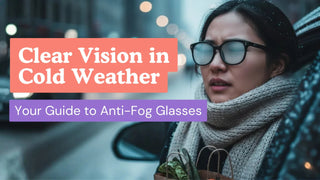
Fogging is simply a reaction to physics. When warm, moist air meets a cold lens surface, water droplets form across the glasses, creating that familiar cloudy effect. In winter this happens constantly. Your breath, body heat, layered scarves, and quick shifts between indoor warmth and outdoor chill create an environment where condensation forms within seconds. The sharper the temperature difference, the more noticeable the fog. It’s not a flaw in your glasses; it’s your environment at work.
Understanding this helps make sense of why winter is such a challenge. Every time you exhale warm air behind a scarf or adjust a thick collar, moisture travels upward and hits your lenses. Every time you walk from a heated living room into brisk morning air, your glasses instantly react. It’s predictable and unavoidable unless there’s a barrier in place to stop condensation from settling on the lens surface.
Why Anti-Fog Solutions Matter in Winter
Winter magnifies the fog cycle. Even everyday habits—driving with heat on, walking the dog in cold air, rushing indoors to warm up, or enjoying a hot drink outside—become triggers for fogged lenses. For people who live in regions with heavy snowfall or extreme cold, fog can be a near-constant companion. It makes outdoor activities harder and can even be a safety concern. A fogged lens while crossing a busy street or getting out of the car can momentarily disrupt your view. For athletes, skiers, hikers, or anyone who exercises outside, fog becomes more frequent as breathing intensifies.
Anti-fog glasses minimize these interruptions, offering a layer of comfort that keeps vision consistent even as temperatures fluctuate. They introduce stability to a season known for unpredictability and make everyday outings smoother.
How Anti-Fog Glasses Work
Anti-fog lenses use specialized coatings that change how moisture behaves on the lens surface. Instead of gathering into visible droplets that scatter light and create a fog-like effect, moisture spreads evenly into a thin, invisible layer. The result is clarity even when warm air hits cool lenses. These coatings reduce surface tension and help lenses resist the quick buildup of condensation that winter brings.
Modern anti-fog coatings are designed to be subtle, lightweight, and comfortable. They won’t distort colors or leave any sticky film. Instead, they enhance the optical quality of the lens, allowing you to go about your day without thinking twice about fogged glasses. They’re especially helpful for people who wear glasses instead of contacts during winter for added wind protection and dryness relief.
Daily Winter Situations Where Anti-Fog Lenses Shine
Cold-weather living means moving constantly between temperature extremes, and fog has a way of showing up at the most inconvenient times.
Stepping outdoors on a frosty morning turns your lenses cloudy before you’ve even locked the door behind you. Walking into a store after being outside creates the reverse effect as warm indoor air rushes against cold lenses. Runners, dog walkers, and early-morning commuters feel it most acutely, especially when breathing heavily in chilled air. Even simple routines like sipping a hot drink outdoors, wearing a face covering, or cooking near a warm stove on a cold day can fog your glasses instantly.
For outdoor athletes, hikers, and winter sports lovers, fog becomes a functional problem. Clear vision is essential on the slopes, on icy trails, and during fast-paced activity where reaction time matters. Anti-fog glasses help maintain clarity without constant wiping, adjusting, or removing your frames to wait for the fog to clear on its own.
When Fog Happens Outside of Winter
Even though winter is the season most associated with fogging, it isn’t the only time it happens. Humidity is a major contributor, making fogging a year-round issue for people who live in coastal, tropical, or rainy regions. Walking into an air-conditioned building on a hot, humid day can cause the same sudden haze. Indoor activities contribute too, especially in the kitchen or during workouts. Anti-fog lenses offer consistent support well beyond cold weather.
Simple Tips to Reduce Fog Without Anti-Fog Coatings
Some readers may still be deciding whether anti-fog lenses are right for them, so it helps to include gentle, practical advice they can try immediately. Small adjustments in daily habits can make surprising improvements.
Wearing scarves, gaiters, and jackets in a way that directs warm breath downward can help prevent moisture from rising toward your lenses. Briefly warming your glasses with your hands before stepping outside can reduce the immediate shock from cold weather. Temporary anti-fog sprays and wipes can also help, especially during travel or outdoor activities, though they’re not as long-lasting as built-in coatings. These strategies provide interim comfort while reinforcing the value of a more permanent solution.
Why Anti-Fog Glasses Are Worth the Investment
Winter is a season with unique challenges. Between windburn, cold air, dry indoor heat, and shorter days, comfort becomes one of the most valuable things you can offer yourself. Anti-fog glasses simplify the morning commute, make winter sports more enjoyable, and help you move between environments without constant interruptions. For anyone who relies on glasses as their main form of vision correction, this stability can be transformative.
The investment isn’t only about convenience; it’s also about safety. In snow, ice, and low visibility, the ability to rely on clear, uninterrupted vision matters. Anti-fog glasses ensure that the only thing you have to focus on is where you’re going—not the fog settling on your eyewear.
Choosing the Right Winter-Friendly Pair
Selecting anti-fog glasses is similar to choosing any eyewear: comfort and clarity come first. A frame that fits well with your winter wardrobe makes a noticeable difference. Hoods, hats, and scarves can shift glasses outward or upward, so a snug, well-balanced fit helps the lenses stay close enough to benefit fully from their coating without constant readjustment. Lightweight frames that sit comfortably on the bridge of the nose and wrap slightly around the eye area can offer extra protection during windy days.
Style matters too. Winter fashion tends to feature neutral outerwear, cozy knits, and textured accessories, which pair effortlessly with classic shapes like round frames, ovals, soft squares, or slightly oversized silhouettes. Anti-fog lenses can be added to both prescription glasses and non-prescription frames, giving everyone a way to enjoy clear vision even in freezing temperatures.
Conclusion
Cold weather brings its share of seasonal wonders, but fogged glasses aren’t one of them. As temperatures drop and daily routines shift between indoor warmth and outdoor chill, anti-fog glasses offer a welcome sense of ease. They help you move through winter with confidence, clarity, and fewer interruptions. Whether you’re commuting, exploring snowy trails, or simply enjoying a quiet morning walk, the right lenses make the experience smoother. Anti-fog glasses are a simple, modern solution to one of winter’s most persistent annoyances, providing comfort when you need it most and clarity to enjoy the season fully.