Introduction
If you're new to contacts, it can feel like everyone is speaking in brand codes. One person swears by a daily disposable, another insists a two-week lens is "the only thing that doesn't dry out," and someone else is shopping for colored contacts and has no idea where safety fits into the conversation. Underneath all of that, there's a simple truth: the "best" contact lens brand is the one that fits your eyes, matches your prescription, and supports how you actually live.
This guide is an overview of the best-known contact lens manufacturers and what they're known for, plus the practical decision points that matter most for comfort and safety. It's not a replacement for an eye exam or a fitting. Contact lenses are medical devices, and your doctor's measurements, material recommendations, and follow-up checks are part of what makes lenses work well long-term.
How to Choose a Contact Lens Brand
Most people pick contacts backwards. They start with a brand name, then try to force it to fit their eyes and lifestyle. A better way is to decide what you need first and then look at which brands make a strong version of that lens type.
Start With Your Lens Type
Daily disposables
Daily disposables are single-use lenses you put in the morning and toss at night. Many new wearers like them because there's no cleaning routine to master and you start every day with a fresh lens.
Where they shine
-
Convenience and travel-friendly simplicity
-
Fresh lens every day
-
Lower risk of hygiene slip-ups
Tradeoffs
-
Often higher cost over time than monthlies
Two-week or monthly lenses
Reusable lenses can be a great fit for people who prefer fewer boxes and a predictable routine. The catch is that reusables demand consistency: cleaning, storage, and replacement schedules aren't optional details, they're the system.
Where they shine
-
Value over time
-
Familiar routines for long-time wearers
-
Fewer daily supplies
Tradeoffs
-
Higher hygiene burden
-
Stretching the schedule increases risk
Match the Lens to Your Vision Needs
-
Single vision: nearsightedness or farsightedness
-
Toric: astigmatism correction (lens stability is key)
-
Multifocal: presbyopia correction
-
Specialty designs: for complex prescriptions or corneal conditions
Comfort Factors That Actually Matter
-
Material and oxygen needs (your doctor guides this)
-
Dryness patterns (screens, climate, indoor heating)
-
Wear habits (naps, long days, replacement consistency)
-
Water exposure (avoid showering or swimming in lenses)
A Quick Safety Note Before We Talk Brands
Any contact lens, including decorative or colored lenses, should be prescribed and properly fitted. The FDA is clear that decorative lenses are still medical devices that require a prescription.
The Big Manufacturers Most Wearers Will Recognize
In the U.S., most soft lenses come from four major manufacturers: Johnson & Johnson Vision, Alcon, CooperVision, and Bausch + Lomb. Each has strong daily and monthly lineups, plus toric and multifocal options.
What They're Known For
Johnson & Johnson Vision is best known for its ACUVUE families, widely offered through optometry practices, with popular comfort-forward options across daily and reusable schedules.
Popular Product Families
-
ACUVUE OASYS and ACUVUE OASYS 1-Day: premium comfort positioning across multiple correction types
-
1-DAY ACUVUE MOIST: daily convenience and an easy, familiar feel
Discontinued Products and What to Do
It's normal for manufacturers to discontinue products as they update materials and product lines. ACUVUE maintains discontinued-product information and often indicates upgrade paths within its catalog.
Pro Tip
If you love the feel of your current lens but need toric or multifocal correction, ask if there's a version within the same family so the experience stays similar.
What They're Known For
Alcon has a strong daily disposable presence, popular monthly options, and one of the best-known prescription color lens lines.
Popular Product Families
-
DAILIES TOTAL1: premium daily disposable marketed around comfort and dryness support
-
TOTAL30: monthly option under the TOTAL line
-
AIR OPTIX COLORS: prescription colored contacts in a monthly format
Color Lens Note
Even cosmetic colored contacts require a professional fitting and prescription.
Pro Tip
Consider an everyday clear lens for routine wear and a separate colored lens for occasional looks, so you're not forcing one lens to do every job.
What They're Known For
CooperVision is especially known for its deep monthly catalog and broad product families that often include toric and multifocal options.
Popular Product Families
-
Biofinity: flagship monthly family with toric and multifocal versions
-
Biofinity toric multifocal: combined design for astigmatism and presbyopia
Pro Tip
Bring your real day-to-day to the fitting. "I'm on screens all day and drive at night" helps your doctor prioritize comfort and visual stability.
What They're Known For
Bausch + Lomb offers widely available daily and monthly options, plus specialty lens heritage that some wearers encounter when standard fits aren't ideal.
Popular Product Families
-
Biotrue ONEday: daily disposable with moisture-forward positioning
-
INFUSE One-Day: daily lens marketed around all-day comfort
-
ULTRA: common monthly family in many retail catalogs
Pro Tip
If you've been told you're "hard to fit," ask about different designs, schedules, or specialty options before giving up on contacts entirely.
Beyond Soft Lenses: Specialty Categories Worth Knowing
Most people wear soft lenses, but specialty lenses can be game-changing for certain corneas and prescriptions. These are usually fitted by specialized practices and may involve extra follow-ups.
Rigid Gas Permeable (RGP) Lenses
RGP lenses can provide crisp optics and may be recommended for certain corneal shapes or conditions.
Hybrid Lenses
Hybrid lenses combine a rigid center with a soft skirt to aim for sharper optics with a more comfortable feel. SynergEyes is a recognizable name in this category.
International Makers You Might See
Depending on country and clinic, you may see brands like Menicon, which is often highlighted for products like Miru 1day Flat Pack and its handling-focused packaging design.
A Quick "Best Brand For..." Cheat Sheet
Comfort is a critical factor in contact lens satisfaction and compliance with wearing schedules.
This section is meant to help you ask better questions at your next appointment, not to replace a fitting.
Best for Convenience
Daily disposables are usually the easiest routine for beginners and travelers.
Best for Long Screen Days and Dryness Complaints
Premium daily designs like DAILIES TOTAL1 are commonly discussed in the "dryness" conversation because of their moisture-focused positioning.
Best for Value Over Time
Monthly families can be cost-effective if you follow cleaning and replacement instructions consistently.
Best for Astigmatism
Most manufacturers offer toric lenses. The "best" one is the lens that stays stable on your eye and delivers consistent clarity.
Best for Presbyopia
Multifocals are personal. You may need to trial more than one design to find your best balance of near, intermediate, and distance vision.
Best for Colored Contacts
Colored contacts can be safe when prescribed, fitted, and purchased from legitimate sources. The FDA emphasizes that decorative lenses require a prescription.
What New Contact Lens Wearers Should Know
A good first experience is usually about nailing the basics: a correct fit, a realistic wear schedule, and consistent hygiene.
Contacts Are Medical Devices
That includes colored and decorative lenses.
Don't Push Through Pain
Mild awareness can happen at first, but sharp pain, persistent redness, light sensitivity, or worsening irritation is a stop sign.
Avoid Sleeping in Contacts Unless Specifically Prescribed
Sleeping in lenses raises infection risk.
Keep Water Away From Your Lenses
Avoid rinsing, storing, showering, or swimming in contacts.
Follow Replacement Schedules Exactly
Replacement timing supports safety and comfort.
Where Colored Contacts Fit In, Safely
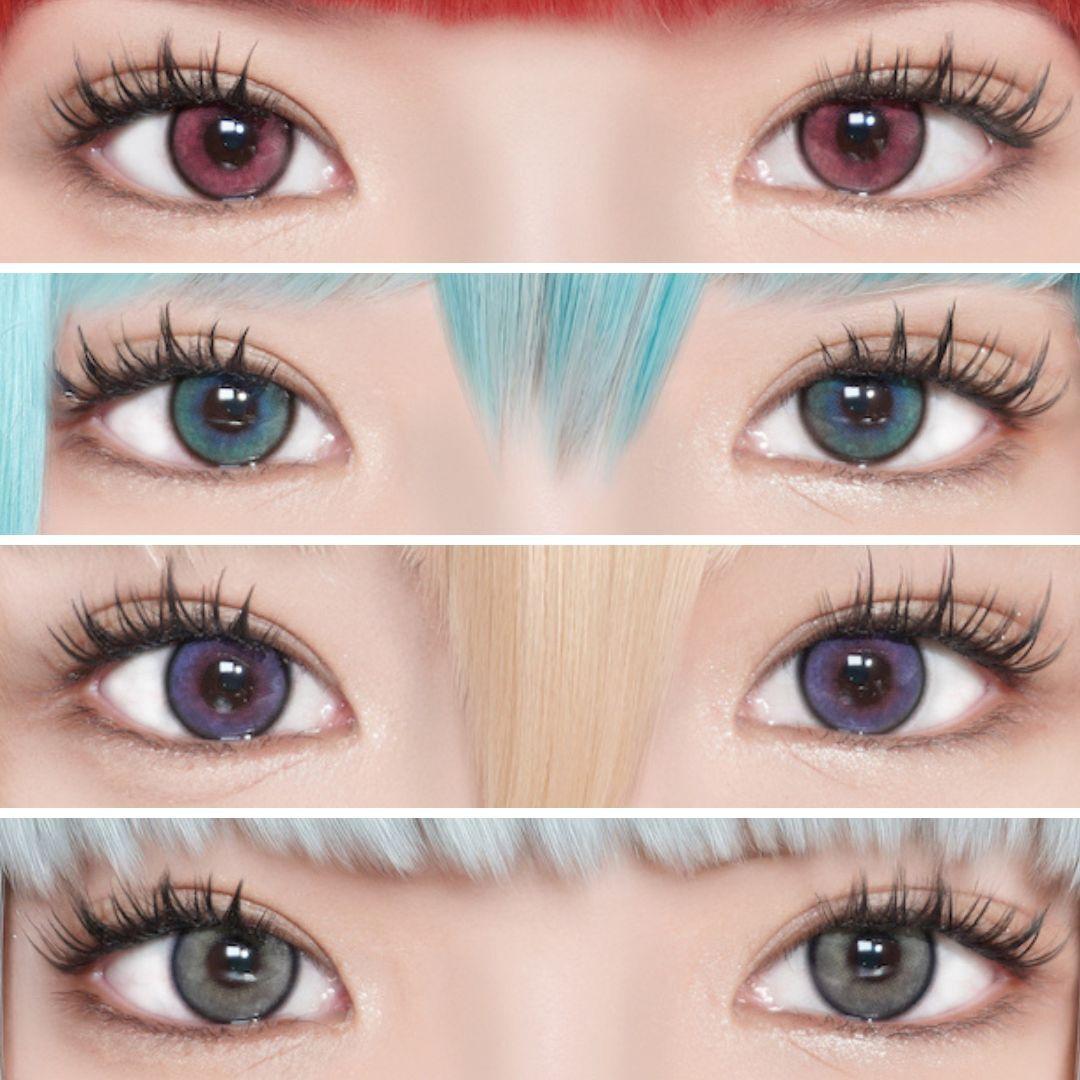
Colored lenses can be subtle or dramatic, but the safety rules are the same: proper fitting, prescription, reputable sourcing, and good care.
If you're buying colored lenses online, look for retailers that take prescription verification seriously. EyeCandys, for example, describes RX verification requirements for U.S. orders and outlines the process that aligns with U.S. prescription rules.
FAQs
Are more expensive contact lens brands always better?
Not always. Higher cost often reflects newer materials or premium comfort features, but the best value is the lens you can wear comfortably while following the recommended schedule.
How do I know if I need toric or multifocal lenses?
Your prescription tells you. Toric lenses correct astigmatism. Multifocals correct presbyopia. If close-up text is getting harder, mention it at your exam.
What's the easiest option for beginners?
Daily disposables are often the simplest because they remove cleaning variables and replacement tracking.
Can I switch brands if I'm uncomfortable?
Yes. Fittings are often iterative, and it's common to trial lenses before you find the right match.
Are colored contacts safe for first-time wearers?
They can be, as long as they're prescribed, properly fitted, and cared for. Decorative lenses still require a prescription.
Why do some products get discontinued and what do I do if mine is?
Manufacturers update product lines as new designs replace older ones. If yours is discontinued, ask your optician about the closest within-family alternative, and reference official discontinuation guidance when available.
Conclusion
The best contact lens brands aren't just the ones you hear about the most. They're the manufacturers that consistently deliver safe, well-supported lens families across daily and monthly schedules, with reliable toric and multifocal options when your vision needs become more specific. If you want a confidence-first approach, start with your lifestyle and prescription needs, use brand families as a map, and be willing to trial lenses until you find the one that feels right.
Then treat lens care as part of the product, not an afterthought. The goal isn't just to see clearly today. It's to keep your eyes comfortable and healthy for the long haul.