

Introduction
Loose frames rarely announce themselves in a dramatic way. They show up as a slow drip of annoyance. You’re mid-lecture or on a Zoom call and suddenly you’re pushing your glasses back up every two minutes. You’re reading in bed and the frames keep creeping down your nose until the lenses aren’t sitting where they should. You’re running errands and one arm feels a little too swingy, like the whole frame is one accidental bump away from doing a dramatic face-plant.
The funny thing is that “my glasses don’t fit” usually doesn’t mean your face changed overnight. It usually means your frames have been living a very real life. Hinges loosen. Nose pads drift. Temple arms relax. A backpack, a hoodie pocket, or a quick “set them down anywhere” moment can shift alignment just enough that you feel it all day.
This guide is for the common, fixable stuff. The small adjustments you can safely do at home with a careful hand and a little patience, plus the clear line between “this is doable” and “this needs a professional.”
Why Frames Get Loose
If your glasses have been everywhere with you, they’ve been under constant tiny stress. Not the catastrophic kind, the normal kind: taking them off with one hand, cleaning them quickly before class, wearing them on top of your head while you look for something, tossing them into a bag for “just a second.” Over time, those micro-moments add up.
Common causes include:
-
Hinge screws loosening from daily opening and closing
-
Nose pads drifting outward or becoming uneven
-
Temple arms widening with wear
-
Minor bending from bags, pockets, or quick on-and-off habits
-
Heat exposure that subtly changes how frames sit
Editorial note: A lot of “my frames are suddenly too loose” reports trace back to one specific week when your schedule got chaotic. Midterms. Travel. A new commute. A stretch of long days where your glasses lived outside their case. It’s not you, it’s the pace.
Before You Start: 60-Second Diagnosis
Before you adjust anything, take one minute to identify what kind of loose you’re dealing with. This is the difference between a quick fix and accidentally creating a new problem.
Symptoms:
-
Wobbly arms at the hinges
-
Glasses slide down your nose while you’re sitting still
-
Glasses slide down mostly when you look down
-
One side sits higher than the other
-
Frames feel secure, but they still slip
What it usually means:
-
Wobbly arms: loose hinge screws
-
Sliding while sitting still: nose pads or bridge fit
-
Sliding when looking down: temple tips need more grip behind the ears
-
One side higher: frame alignment is slightly off
-
Secure but still slipping: you may need more traction at the bridge
Safety stop signs:
-
A lens looks loose, popped, or rattles in the frame
-
You see cracks near the hinge or bridge
-
The frame is rimless or semi-rimless and feels unstable
-
The frame is sharply bent or visibly twisted
If any of these apply, skip DIY. A quick professional adjustment is cheaper than replacing a snapped frame.
What You’ll Need
Set up on a table with good lighting and work over a towel so small screws don’t disappear.
Essentials:
-
Microfiber cloth or soft towel
-
Small eyeglass screwdriver or precision screwdriver
-
Mirror
-
Bright light
Nice-to-have:
-
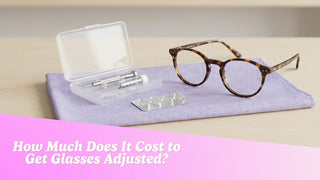
Eyeglass repair kit with spare screws
-
Silicone nose pad covers or stick-on nose grips
-
Toothpick for clearing debris from a screw hole
Editorial note: If you’re going to be a glasses wearer for the long haul, an eyeglass repair kit is one of those small purchases that pays for itself the first time a screw goes missing on a Tuesday night.
Fix 1: Tighten Loose Hinge Screws
Best for: wobbly arms or hinges that feel “too swingy”
This is the most satisfying fix because it’s often the smallest effort with the biggest payoff. When hinge screws back out, your glasses don’t just feel loose, they feel unstable, like the frame can’t hold its shape on your face.
Steps:
-
Lay your glasses open on a towel.
-
Locate the hinge screw on each side where the arm meets the front frame.
-
Turn the screw clockwise in small increments, about a quarter-turn at a time.
-
Test the arm after each turn. You want secure, not stiff.
-
Repeat on the other side.
If the screw won’t tighten:
-
The screw may be stripped or the threads may not be catching.
-
Try a spare screw from a repair kit if you have one.
-
If it still won’t hold, that’s an optician fix.
Optional prevention tip:
-
If your screws loosen constantly, a tiny dab of clear nail polish on the screw threads can help. Let it dry fully before wearing. Use the smallest amount possible.
Editorial note: The goal is not to “lock” your glasses shut. If opening and closing your arms suddenly feels stiff or squeaky, back off. Over-tightening creates stress, and stress is what turns into cracks later.
Fix 2: Adjust Nose Pads to Stop Sliding
Best for: glasses sliding down your nose even when you’re not moving
This is the classic “I’m fine until I’m not” problem. Your frames fit in the morning, but by mid-day you feel like you’re chasing them down your face. Often, it’s because nose pads have drifted outward, reducing grip and lowering the way the frame sits.
What you’re aiming for:
-
Nose pads that sit evenly
-
Gentle, equal contact on both sides of the nose
-
Frames sitting slightly higher without pinching
Steps:
-
Stand in front of a mirror and check whether one nose pad sits farther out than the other.
-
Using clean fingers, gently nudge the pads slightly inward toward each other.
-
Make tiny changes, then try your glasses on.
-
Walk around for 30 seconds and look down like you’re reading a phone.
-
Adjust again only if needed.
Quick traction upgrade:
-
Silicone nose pad covers or stick-on nose grips add friction and can be a game changer if your frames slip more when your skin is moisturized, sunscreened, or a little oily.
Editorial note: If you’re adjusting nose pads and you suddenly feel a sharp pressure point, stop. A secure fit should feel stable, not painful. The right adjustment is usually smaller than you think.
Fix 3: Tighten the Temple Tips for Better Grip Behind Your Ears
Best for: glasses sliding mainly when you look down
If your glasses only slide when you tilt your head down, your nose pads may be fine. The frame simply isn’t hugging behind your ears enough to hold itself in place. This is common when temple arms relax over time, or when the curve behind the ear is too gentle.
The goal:
-
Arms lightly hugging the sides of your head
-
Temple tips curving behind your ears enough to hold, without squeezing
For plastic frames: warm water method
-
Run warm tap water, not hot.
-
Hold the last inch of one temple tip under warm water for 20 to 30 seconds.
-
Gently bend the curved end slightly inward and slightly downward.
-
Repeat on the other side.
-
Try them on and test by looking down.
For metal frames:
-
Use your fingers to gently bend the temple tips inward in tiny increments.
-
Adjust both sides evenly to avoid creating a crooked fit.
Do not do this:
-
Don’t use boiling water or a hair dryer. Heat is hard to control and can warp frames or damage lens coatings.
Editorial note: This is the fix that makes you feel like your glasses “magically” fit again, because the frame stops floating and starts sitting with intention. If your glasses feel secure for the first time in weeks, you did it right.
Fix 4: Straighten Crooked Frames
Best for: one side sits higher, or frames look tilted
Crooked frames are often caused by one small bend, not a dramatic warp. The trouble is that this is the easiest adjustment to overdo. Think tiny. The kind of change you barely see in your hands but absolutely feel on your face.
Quick table test:
-
Close the arms.
-
Place glasses upside down on a flat surface so the top rim rests on the table.
-
If one side lifts, the frame is slightly out of alignment.
Small, safer approach:
-
Identify which side sits higher on your face.
-
Adjust in millimeters, then re-test on the table and on your face.
-
Stop immediately if you see stress whitening in acetate, hear creaking, or feel strong resistance.
Editorial note: If you’re tempted to “just bend it back,” that’s your sign to pause. This fix is about finesse, not force.
Quick Temporary Fixes
These are the fixes for the days when you need your glasses to behave right now.
Options:
-
Silicone nose grips or stick-on nose pads for immediate traction
-
Tighten hinge screws with a mini screwdriver
-
A glasses strap for workouts, long walking days, or commuting
-
Fashion tape at the bridge as a one-day emergency fix, kept away from lenses
What Not to Do
Some hacks are popular because they’re dramatic, not because they’re safe.
Don’ts:
-
Don’t use super glue on hinges or screws
-
Don’t use boiling water, hair dryers, or open flame to heat frames
-
Don’t bend the frame front aggressively in one big motion
-
Don’t use pliers directly on metal frames
-
Don’t overtighten screws until the hinge feels stiff
-
Don’t accept pain as the price of a “secure” fit
Mini FAQ
- Why do my glasses still slide after tightening screws?
- Tight screws stop wobble. Sliding is usually a nose pad or temple-tip issue. Try adjusting nose pads for height and traction first, then add grip behind the ears with a small temple-tip adjustment.
- How tight should hinge screws be?
- Snug enough that the arms don’t wobble, but not so tight that opening and closing feels stiff. If it squeaks or fights you, it’s too tight.
- Can I safely warm plastic frames at home?
- Warm tap water is the safest method for minor temple-tip adjustments. Avoid high heat tools that can warp the frame or damage coatings.
When You Actually Need an Optician
Sometimes the best DIY decision is knowing when to stop.
Go professional if:
-
A lens is loose, popping out, or shifting in the frame
-
A hinge is cracked or the screw won’t hold
-
The frame is rimless or semi-rimless and feels unstable
-
The frame is sharply bent or visibly twisted
-
The problem returns within days despite careful adjustments
-
You feel pressure pain or headaches even when the fit seems secure
Conclusion
Loose frames can feel like a daily nuisance, but most of the time they come down to a few fixable issues: hinge screws that need tightening, nose pads that drifted, temple tips that need more grip, or a slight alignment shift from real-life wear. Take it slow, adjust in tiny increments, and test after every change. And if you spot a loose lens, a crack, or anything that feels unstable, don’t force it. That’s the moment where a quick professional adjustment protects your frames and your eyes.