

Introduction
Blue light glasses used to feel like a niche accessory. They were once linked almost exclusively to late-night gamers hovering over glowing keyboards or office workers navigating spreadsheets under flickering fluorescent lights. But today, screen time isn’t confined to those groups. Between phones, tablets, laptops, streaming, smart home devices, and even LED lighting, blue light exposure has quietly become a part of nearly everyone’s daily routine. That shift has changed who actually benefits from blue light glasses—and the answer is far more extensive than you might think.
What Blue Light Actually Is
Most people hear “blue light” and think of something harmful, but the truth is more nuanced. Blue light occurs naturally in sunlight and plays an important role in our circadian rhythm by helping us feel awake and alert during the day. The challenge lies in artificial blue light, primarily emitted by screens and LEDs that we interact with far more than we realize. Constant exposure, especially at close distances, can contribute to digital eye strain, sleep disruption, and general visual fatigue. Blue light glasses offer a gentle buffer by filtering a percentage of that artificial light, creating a more comfortable viewing environment.
Why It’s No Longer Just a “Gamer Problem”
Gamers were early adopters of blue light eyewear because they often spend long, concentrated hours staring at bright screens. Office workers followed for similar reasons. But screens are now woven into everything from grocery lists to family group chats. It’s common to unwind at night by scrolling through social feeds, editing photos, reading on a tablet, or watching a series—activities that still bring your eyes into prolonged contact with artificial blue light. This makes blue light glasses relevant not just for specific professions or hobbies but for anyone who wants to reduce visual fatigue throughout the day.
Everyday Situations That Make Blue Light Glasses Useful
Think about all the micro-moments that involve screens. You check your phone when you wake up. You glance at a tablet while cooking a recipe. You respond to texts during lunch, book travel online, and maybe read an e-book before bed. Even playing games on your phone or editing a video for social media counts as sustained screen time. Blue light filtering glasses ease that constant glow, especially when your eyes don’t get much of a break.
They can be especially helpful in the evenings. Artificial blue light is known to interfere with melatonin production, which plays a role in winding down. Wearing blue light glasses during nighttime screen use may support a more relaxed transition to sleep. Parents often appreciate this benefit, especially during late-night feedings, online shopping, or catching up on shows with the lights dimmed.
Wellness Benefits in a Screen-Heavy Lifestyle
Many people today think about wellness holistically. They care about hydration, sleep quality, stress reduction, and habits that support overall balance. Blue light eyewear fits naturally into this mindset because it’s a small, accessible tool that can make long days feel more comfortable. Reducing digital eye fatigue can encourage healthier screen habits, especially for those who rely on devices but want to avoid the burnout that comes from constant visual stimulation.
This focus on wellbeing also intersects with personal care routines. A comfortable viewing experience means fewer squints, less frowning, and more relaxed facial muscles throughout the day. If someone is trying to maintain great skin around the eyes or avoid headaches that interrupt their daily rhythm, blue light glasses can support that lifestyle.
Who Benefits the Most (Spoiler: It’s Everyone)
Students spend hours on online learning platforms, video lectures, and digital homework. Content creators and influencers work across multiple screens, often juggling editing sessions, writing, and constant notifications. Parents switch between tablets, smart TVs, and phones to manage their household or decompress. Even retirees are increasingly connected through e-readers, tablets, and video calls with family.
There’s also a growing group of hobbyists who benefit from filtered lenses. Whether you’re practicing digital art, sewing while watching tutorials, trying new recipes, or playing cozy games on a handheld console, your eyes still engage with artificial blue light in close range. Blue light glasses offer a layer of comfort that makes those activities more enjoyable, especially as sessions stretch longer.
The Style Factor
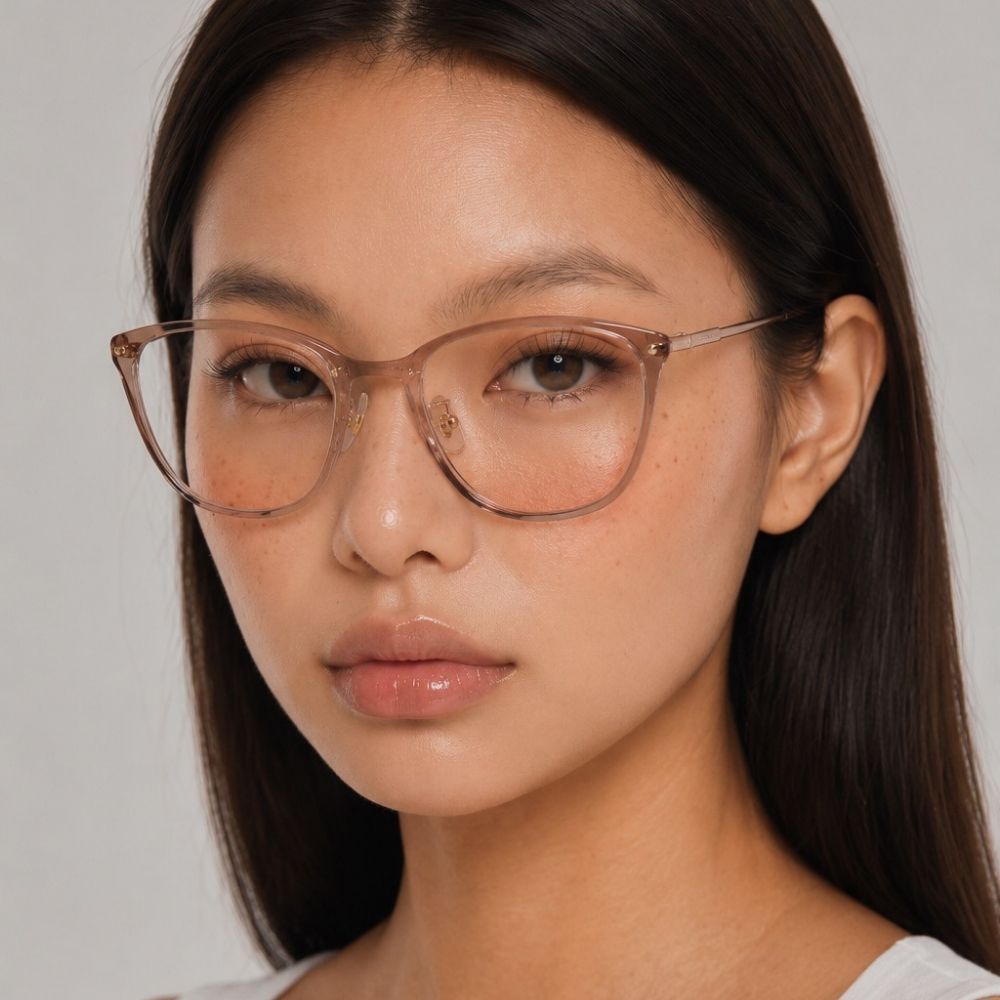
Not long ago, blue light glasses looked purely functional. Today, they’re a legitimate style accessory. Modern frames come in soft neutrals, academic-inspired shapes, modern squares, and eyewear silhouettes designed to flatter different face shapes. This shift has made them appealing not only for screen comfort but also for fashion. For people who don’t require a prescription but still want to wear glasses that match their style, blue light filtration adds purposeful utility to their favorite frames.
What to Look for in a Pair
The right pair of blue light glasses should fit comfortably, sit lightly on the nose, and feel balanced across the bridge and ears. Look for frames that offer durable hinges, flattering shapes, and lens coatings that filter blue light without overly yellowing your view. Many of today’s designs offer a subtle filter that softens harsh screen glow without drastically altering color perception, making them ideal for everyday tasks like photo editing or video calls.
If you already wear prescription glasses, adding blue light filtration to your lenses can extend the same benefits without needing a separate pair. For contact lens wearers, blue light glasses are an easy add-on. They offer comfort during long digital days and can even support eye moisture levels since many people blink less when focusing on screens.
Conclusion
Blue light glasses have moved beyond the gamer realm and the office cubicle. They’ve become a modern essential for anyone living a digitally connected life—parents, students, creators, hobbyists, travelers, and everyone who navigates a world illuminated by screens. They offer comfort, clarity, and a small but meaningful way to support daily wellness. With so many frame styles available today, it’s easier than ever to find a pair that feels like a natural part of your routine and your personal style.