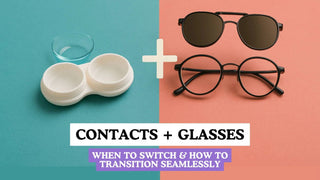
Contacts + Glasses: When to Switch & How to Transition Seamlessly
Introduction
If you need vision correction, chances are you’ve faced the age-old question: glasses or contacts today? The good news is, you don’t have to choose just one. With the right approach, you can enjoy the best of both worlds—wearing glasses when they suit your vibe, and switching to contacts when convenience or style calls for it.
Whether you’re a long-time glasses wearer curious about coloured contacts, or a daily lens user who wants to give your eyes a break, here’s how to transition between contacts and glasses seamlessly, and when each option makes the most sense.
Why Wear Both? The Benefits of Mixing It Up
There’s no rule that says you have to pick a side. In fact, many EyeCandys shoppers alternate between contacts and glasses depending on their lifestyle, schedule, or aesthetic. Here’s why balancing both can be a game-changer:
-
Flexibility: Glasses for work, contacts for workouts. Or glasses on travel days and lenses on nights out.
-
Style variety: Use glasses to create a smart, polished look—or let your contacts take centre stage for a full face beat.
-
Comfort: Contacts give you peripheral clarity, while glasses offer a screen-time-friendly break.
-
Eye health: Switching it up can help avoid dryness, overuse, or fatigue from wearing one method too often.
Still not sure when to reach for your frames versus your lenses? Here’s a quick breakdown of which option works best depending on your day.
Choose Glasses When:
-
You’re spending long hours at a screen and want to reduce digital eye strain
-
Your eyes feel dry, tired, or irritated
-
You want to give your corneas a break (especially important if you wear lenses daily)
-
You’re staying in or having a low-key day
-
You want to lean into a smart, stylish, or academic vibe
-
You’re dealing with allergies, irritation, or minor eye infections
Choose Contacts When:
-
You’re going to the gym, doing outdoor activities, or commuting
-
You want to show off your makeup, false lashes, or coloured eye look
-
You’re dressing up and don’t want frames to interfere with your outfit or photos
-
You’re wearing sunglasses and need vision correction
-
You want full peripheral vision or are doing any activity where glasses may get in the way
Tips for Transitioning Seamlessly Between the Two
Switching between glasses and contacts isn’t complicated—but it helps to build good habits so that your eye health and style stay on point.
1. Keep Both Prescriptions Up to Date
Make sure your glasses and contact lens prescriptions are current, even if you don’t wear one of them every day. This ensures consistent vision and comfort when switching.
2. Plan Your Day (and Look) Ahead
Consider what your day looks like—if you’re dressing up, filming content, or hitting the gym, contacts might be your go-to. For a chill WFH day or an afternoon of errands, glasses could be the better call.
3. Give Your Eyes Breaks from Contacts
Even with breathable, hydrating lenses, your eyes need oxygen. Experts recommend taking out your contacts for a few hours a day—or at least switching to glasses one full day a week.
4. Make Makeup Adjustments as Needed
When wearing contacts, avoid oil-based eye makeup or applying product too close to the lash line. With glasses, you may want to define your brows or use anti-shine products to prevent slipping on the nose bridge.
5. Carry a Lens Case and Travel-Sized Solution
Life happens. Carry your lens case and a small bottle of solution in your bag so you can switch to glasses if your eyes get irritated or dry midday.
6. Store Your Glasses Properly
If you’re mostly in contacts, keep your glasses in a protective case in your work bag, bedside drawer, or car. Having them close by makes it easy to swap when you need to.
Coloured Contacts: A Style-Driven Way to Switch It Up
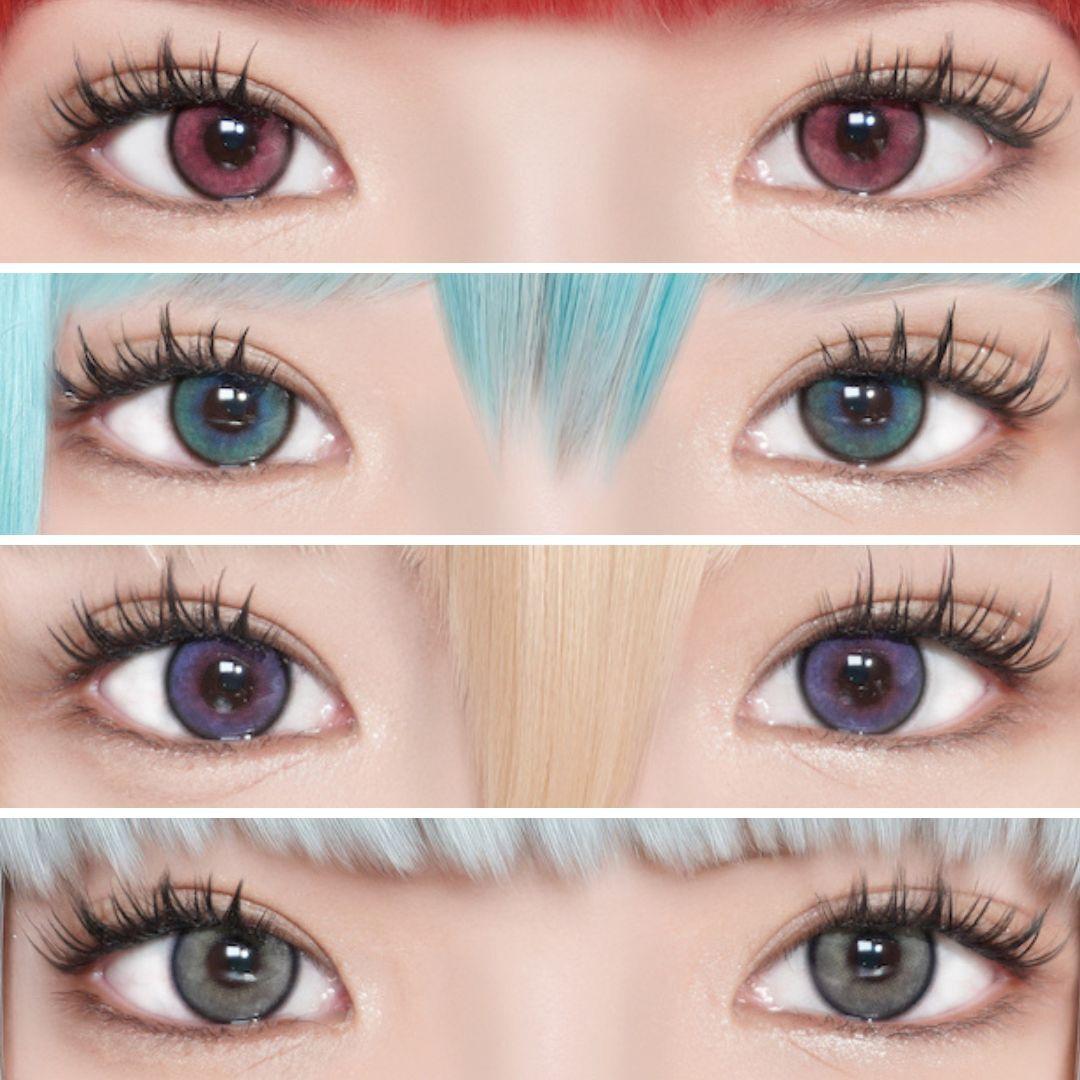
One of the best reasons to embrace both glasses and contacts? Style flexibility. At EyeCandys, our coloured contacts are designed to be safe, comfortable, and fashionable—giving you the power to transform your eye colour to match your mood, outfit, or event.
Want soft hazel for brunch and sapphire blue for date night? We've got you. Prefer a natural enhancement one day and a bold cosplay look the next? That’s the beauty of coloured lenses.
When you alternate between glasses and contacts, you open the door to endless self-expression—without compromising your vision.
Final Thoughts: Balance Is the Best Look
Whether you’re a glasses-first person who’s curious about coloured contacts or a daily lens wearer looking to embrace the comfort of frames, you don’t have to choose just one. Both options serve a purpose—and a look.
The secret is to listen to your eyes, know your schedule, and let your style guide you. With a little planning and care, you can move between glasses and contacts effortlessly, while keeping your eyes healthy and your look fresh.
Explore EyeCandys coloured contact collection and find frames that fit your lifestyle. Vision has never looked so good.