

Blue light has become one of the most talked-about parts of modern screen use. It gets blamed for tired eyes, headaches, poor sleep, and sometimes even long-term eye damage. With so many claims floating around online, it is easy to see why so many people feel confused.
The truth is a little more nuanced. Blue light is real, and it does affect the body, but it is not the full story behind why your eyes feel tired after a long day on your phone or laptop. In fact, major ophthalmology guidance says digital eye discomfort is not caused by blue light itself. At the same time, blue light exposure later in the day can interfere with the body's natural sleep rhythms, which is one reason it still matters.
If you spend hours on screens, the best thing you can do is understand what blue light actually does, what it does not do, and which habits are more likely to make a real difference.
What Is Blue Light?
Blue light is a type of visible light. It is part of the light spectrum your eyes can see, and it comes from both natural and artificial sources. Sunlight is actually one of the biggest sources of blue light exposure in everyday life, while phones, tablets, computers, televisions, and LED lighting also emit it.
That matters because blue light is not automatically bad. During the day, blue-enriched light helps support alertness and plays an important role in circadian rhythm, the internal clock that helps regulate when you feel awake and when you feel sleepy. In other words, blue light is not something your eyes need to avoid at all costs. Context matters, especially when it comes to timing.

Is Blue Light Bad for Your Eyes?
This is where the conversation often gets more dramatic than the science. Blue light from screens is not currently considered the main cause of eye strain, and normal screen use is not shown to be blinding people or causing macular degeneration in the way some viral headlines suggest. The American Academy of Ophthalmology has been clear that digital eye discomfort is not caused by blue light, and Harvard Health has similarly noted that blue light from electronic devices is not going to increase the risk of macular degeneration or harm other parts of the eye in normal use.
That does not mean your discomfort is not real. It just means the explanation is usually more practical than people think. Many of the symptoms blamed on blue light are more closely tied to how we use screens than to the light they emit.
Why Your Eyes Feel Tired After Screen Time
If your eyes feel dry, blurry, tired, or irritated after a day of scrolling, streaming, or working at a computer, you are far from alone. What many people are experiencing is digital eye strain, also called computer vision syndrome. According to ophthalmology guidance, that discomfort is more often linked to reduced blinking, long periods of near focus, glare, brightness issues, and workstation setup than to blue light alone.
When you are focused on a screen, you tend to blink less often. That can leave the eyes feeling dry and irritated. Hours of looking at something up close can also leave your eye muscles feeling fatigued, especially if you are not taking breaks. Add glare, poor posture, or a screen that is too bright for the room, and it makes sense that your whole setup can start to feel uncomfortable.
This is an important distinction because it shifts the conversation away from fear and toward solutions that actually help.
RELATED READING:
- Reduce Digital Eye Strain with Simple Everyday Habits
- Optometrist-Approved Tips to Prevent Digital Eye Strain
- Why Are My Contacts So Dry? How to Tell if It's Your Lenses or Your Eyes
- How to Keep Your Eyes Healthy While Wearing Contact Lenses
- Adjust Your Monitor Settings for Better Eye Health
How Blue Light Can Affect Sleep
While blue light is often overstated in conversations about eye damage, it does matter when sleep enters the picture. Blue light exposure at night can interfere with melatonin, a hormone that helps regulate sleep. Research highlighted by Harvard Health notes that blue light at night can suppress melatonin more strongly than some other wavelengths and can shift circadian rhythm, making it harder to feel sleepy when you want to wind down.
That means the bigger concern with blue light is often not what it is doing to the structure of your eyes, but what it may be doing to your bedtime routine. Late-night scrolling, streaming, or working under bright artificial light can make it harder for your body to settle into a healthy sleep rhythm.
So if you feel like your screen habits are affecting how easily you fall asleep, that concern is worth taking seriously. The timing of light exposure is one of the biggest factors here.

Do Blue Light Glasses Actually Work?
Blue light glasses are everywhere. They are marketed as a simple solution for tired eyes, screen fatigue, headaches, and better sleep. The appeal makes sense. People want an easy fix.
But current ophthalmology guidance does not recommend blue light-blocking glasses specifically for reducing digital eye strain. The American Academy of Ophthalmology notes that several studies suggest these lenses do not improve symptoms of digital eye strain.
That does not mean everyone who wears them feels nothing. Some people like them, especially as part of an evening routine or because they prefer the way they feel while working on screens. But from an evidence-based standpoint, they should not be presented as the main answer to screen-related eye discomfort. The more effective place to start is usually with habits, environment, and screen setup.
How to Protect Your Eyes From Screen Time
If you want to feel better after long hours on digital devices, the good news is that practical changes can go a long way.
Start with the 20-20-20 rule. Every 20 minutes, look at something about 20 feet away for at least 20 seconds. This gives your eyes a break from constant near focus and is one of the easiest screen habits to build into your day.
Next, pay attention to dryness. One reason screen-heavy days feel so exhausting is that people blink less while looking at devices. Making a conscious effort to blink more often can help, and some people also benefit from lubricating eye drops if dryness is a recurring issue.
Your setup matters, too. Adjust your screen brightness so it matches the lighting around you. If your display is much brighter than the room, it can add to discomfort. Reducing glare, improving screen contrast, and positioning your monitor so your eyes look slightly downward can also help create a more comfortable viewing experience.
Then there is the sleep side of the equation. If you notice that late-night screen use leaves you feeling wired, it may help to reduce bright screen exposure in the evening, use warmer display settings, or give yourself a screen-free wind-down period before bed. Blue light is not the enemy all day long, but it can be worth managing more intentionally at night.

When Eye Strain Might Be Something More
Not every eye issue should be brushed off as screen fatigue. If you are dealing with frequent headaches, persistent blurry vision, severe dryness, or ongoing discomfort that does not improve with breaks and better screen habits, it may be time for an eye exam. Sometimes the issue is not just screen time. An outdated prescription, dry eye, or another underlying vision concern may be contributing to how you feel. Ophthalmology guidance recommends seeing an eye doctor if symptoms persist.
That is especially true if your symptoms are interfering with work, school, or sleep. A more comfortable routine starts with understanding what your eyes actually need.
The Bottom Line on Blue Light
Blue light is not the full villain it is often made out to be. It is a normal part of the visible light spectrum, and during the day it even plays a useful role in alertness and circadian rhythm. The bigger issue for most people is not that screens emit blue light, but that screen habits can leave the eyes dry, overworked, and uncomfortable.
If your eyes feel tired after hours online, the most effective solution is usually not panic and it is not always a pair of trendy glasses. It is better breaks, less glare, more blinking, a more comfortable setup, and a little more intention around nighttime screen use. That is where real relief tends to begin.
FAQ
Does blue light from screens damage your eyes?
Current guidance does not support the idea that normal screen exposure is damaging your eyes in the dramatic way many online claims suggest. Blue light from devices is not considered the main cause of digital eye strain, and it is not shown to be causing macular degeneration through normal everyday use.
Why do my eyes hurt after looking at screens all day?
In many cases, it is due to digital eye strain. Reduced blinking, long periods of focusing up close, glare, screen brightness, and poor ergonomics are more common reasons than blue light alone.
Can blue light affect sleep?
Yes. Blue light exposure in the evening can interfere with melatonin and shift circadian rhythm, which may make it harder to fall asleep.
Do blue light glasses help with eye strain?
Major ophthalmology guidance says blue light-blocking glasses are not recommended for reducing digital eye strain. Some people still prefer them, but they should not be treated as the main fix.
What helps more than blue light glasses?
For many people, better screen habits make more of a difference. Taking breaks, blinking more often, reducing glare, adjusting brightness, and limiting bright screens before bed are all more strongly supported strategies.
Find Your Perfect Pair
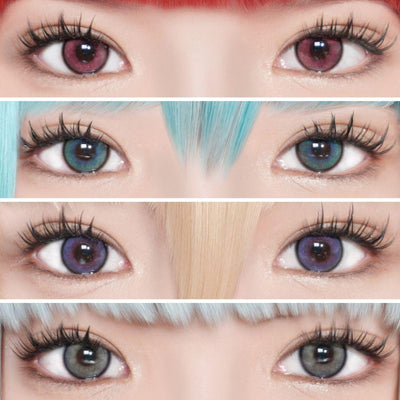
Shop EyeCandys colored contacts designed with comfort in mind. From subtle natural lenses to bold cosplay shades, find the pair that completes your look.